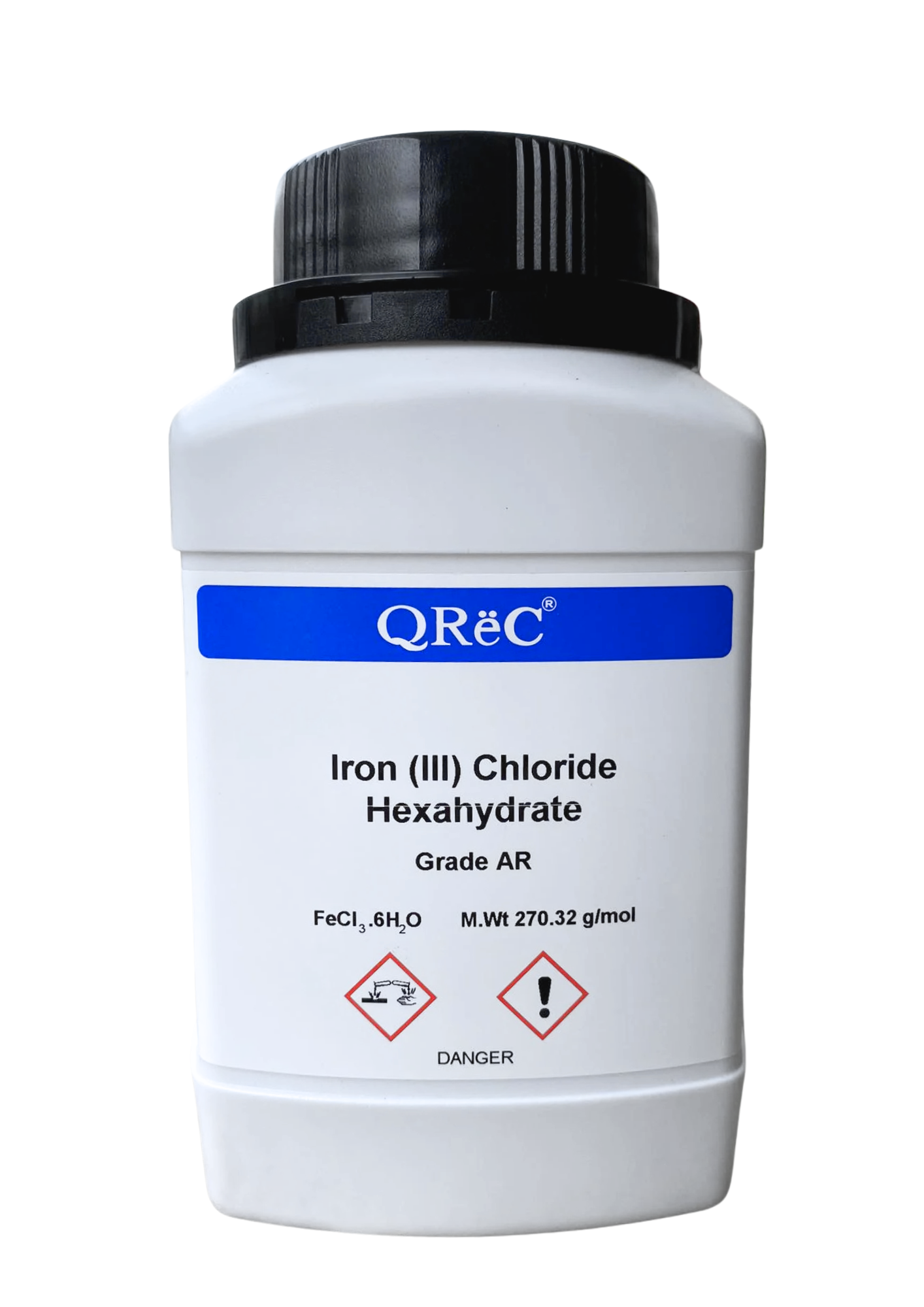
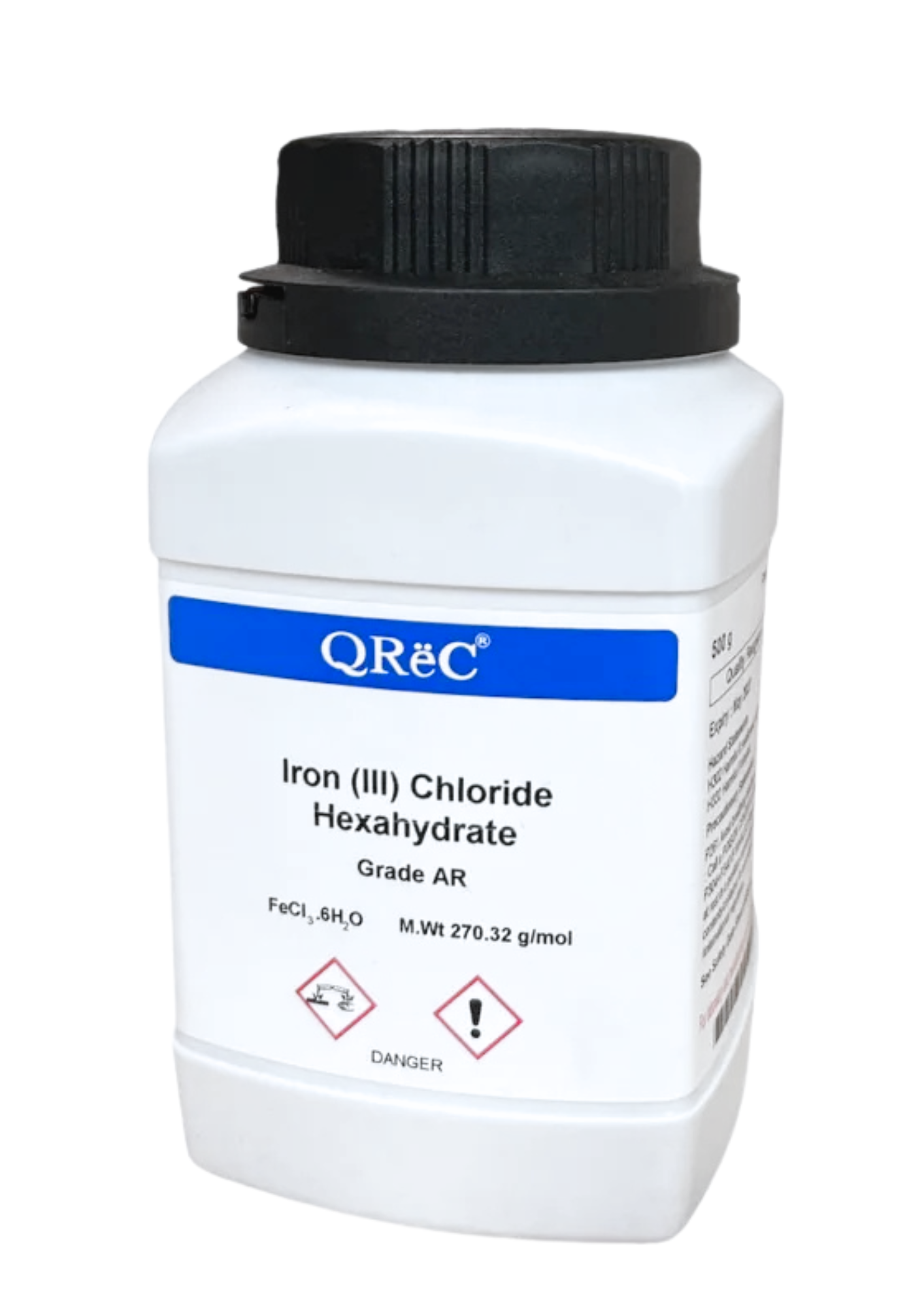
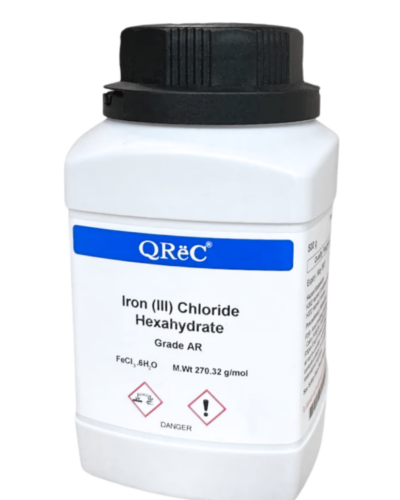
Ferric chloride hexahydrate 99% or Iron (III) chloride hexahydrate or Iron trichloride hexahydrate
Product Overview & Quality
- Product Name: Ferric chloride hexahydrate 99% or Iron (III) chloride hexahydrate or Iron trichloride hexahydrate
- Brand: QReC (Product Code: QR-I6014-1-0500)
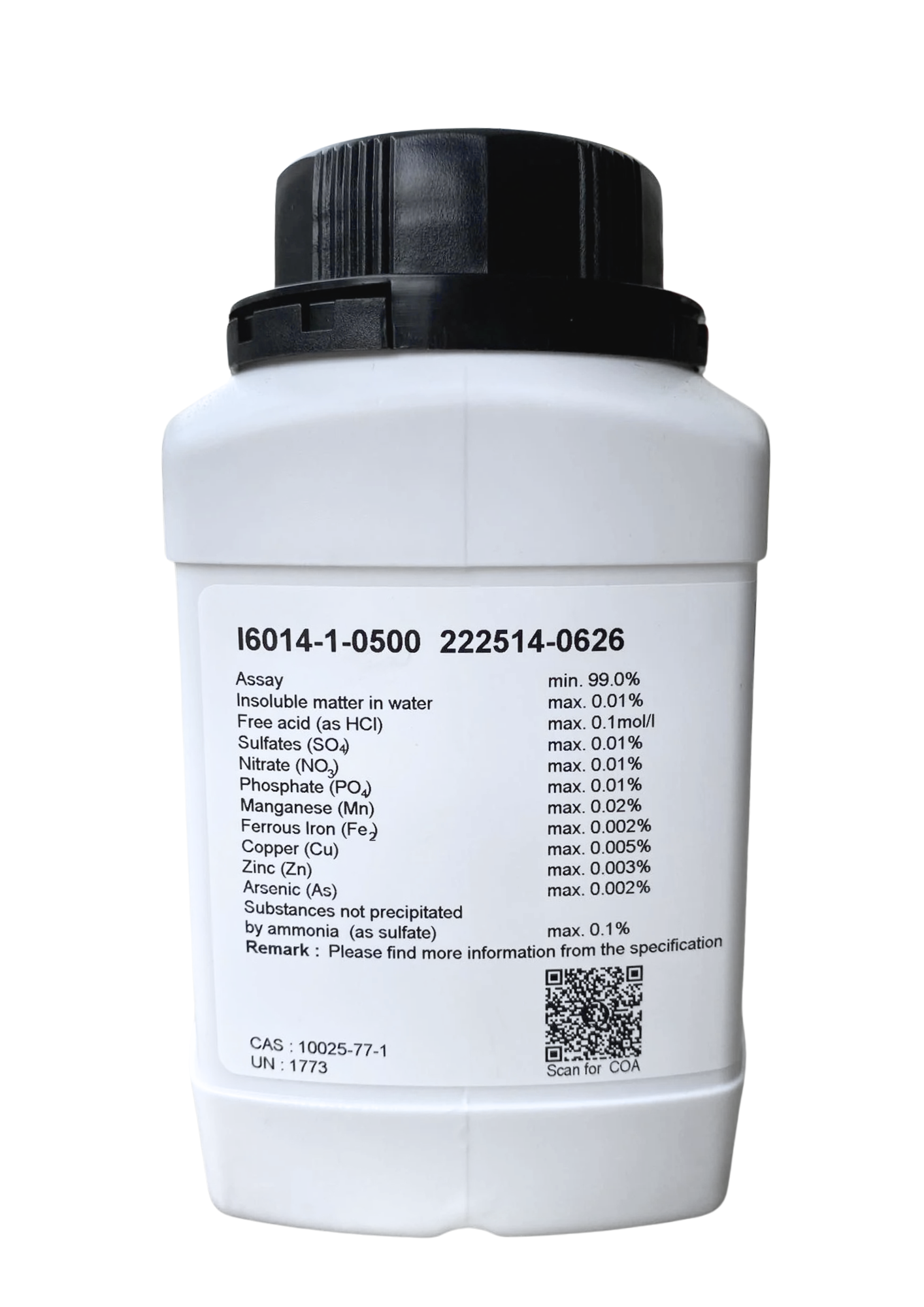
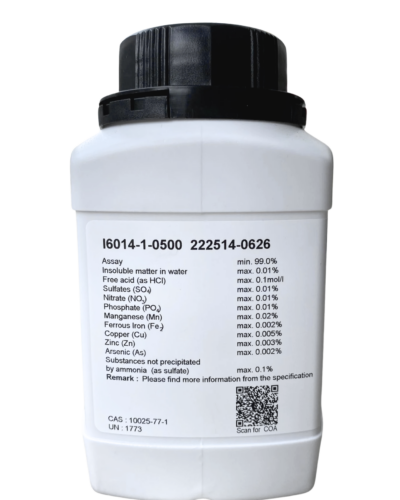
- Grade: Analytical Reagent (AR Grade) featuring a certified chemical assay of not less than 99.0 percent. Manufactured and multi-crystallized under strict QReC global laboratory specifications, maintaining stoichiometric hexahydrate hydration. Rigorously tested to enforce minimal ppm limits of ferrous iron (Iron II species), sulfate, nitrate, water-insoluble matter, free acid, phosphorus compounds, and trace heavy metals (such as copper, zinc, lead, arsenic, calcium, and magnesium). Readily soluble in water and polar organic media, producing clear, dark orange-brown acidic solutions free of basic salt haziness. Packaged in a heavy-duty, corrosion-resistant polymer container equipped with a secure hermetic seal to exclude atmospheric humidity.
- Physical Properties: Yellowish-orange to brownish-yellow crystalline lumps, crystalline mass, or powder. Faint, characteristic hydrochloric acid-like odor. Extremely deliquescent, rapidly absorbing ambient moisture to liquefy into a viscous dark brown syrup. Non-combustible inorganic salt. Aqueous solutions are strongly acidic via hydrolysis (pH below 2.0) and intensely corrosive to biological tissues and metals.
- Solubility: Readily and highly soluble in water (approximately 92 grams per 100 milliliters at 20 degrees Celsius; dissolution is an exothermic process releasing heat); freely soluble in ethanol, methanol, acetone, and diethyl ether; practically insoluble in non-polar hydrocarbon solvents.
- Key Use: Universally utilized as the standard analytical reagent in the Ferric Chloride Test for detecting phenolic hydroxyl groups and enols in organic chemistry and natural product phytochemical screening, generating distinctive blue, violet, green, or dark red coordination complexes. Extensively applied as a potent Lewis acid catalyst in organic transformations, including Friedel-Crafts alkylations/acylations, aromatic halogenations, and acetal formations. Widely employed as an etching agent for copper printed circuit boards (PCBs) and metallographic surface etching. Serves as an efficient primary inorganic coagulant and flocculant in water and wastewater research for destabilizing colloidal organic matter and precipitating dissolved orthophosphates. Routinely used as an inorganic iron precursor for synthesizing magnetic iron oxide nanoparticles and advanced coordination compounds.
Safety & Hazards (Critical, Severe Corrosive, Serious Eye Damage & Harmful Ingestion)
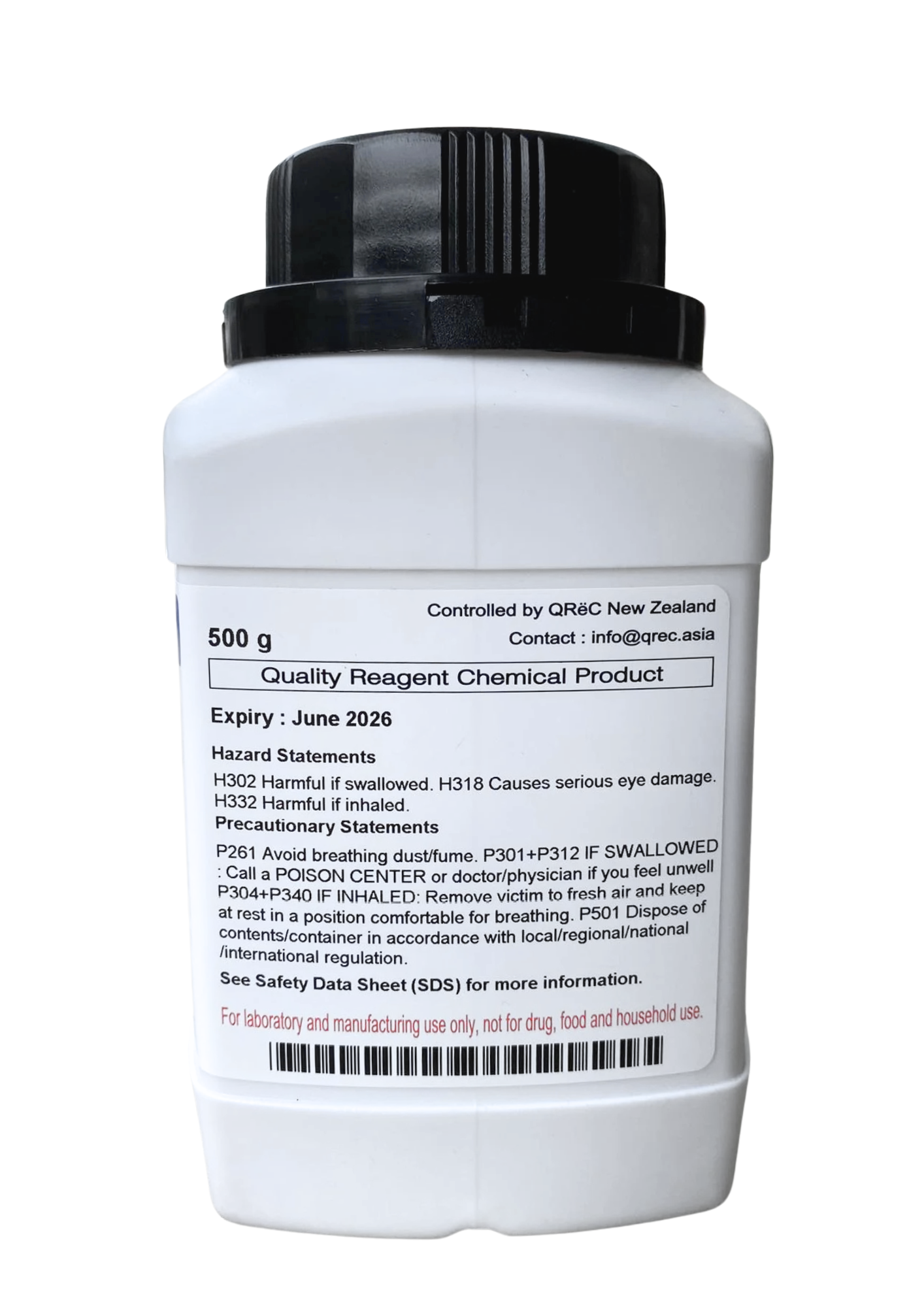
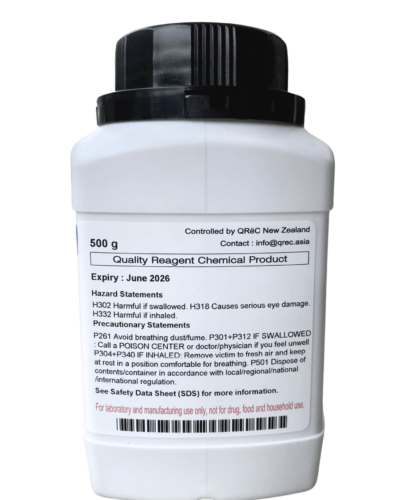
- Classification: Harmful if swallowed. Causes skin irritation. Causes serious eye damage. May be corrosive to metals.
- Health Risks: Aqueous matrices are aggressively acidic. Direct ocular contact triggers instantaneous chemical ulceration of the conjunctiva and cornea, inducing severe pain, conjunctival edema, corneal opacification, and permanent blindness. Dermal contact causes caustic irritation, erythema, localized burns, and leaves persistent brown-orange iron stains on the skin. Inhalation of particulate dust irritates the mucous membranes of the respiratory tract, causing sneezing, coughing, choking, and bronchial irritation. Ingestion causes acute corrosive gastroenteritis with a metallic taste, burning epigastric pain, hematemesis, melena, severe vomiting, diarrhea, metabolic acidosis, and potentially fatal systemic iron overload toxicity affecting hepatic, renal, and cardiovascular systems.
- First Aid Measures: Immediately flush affected eyes with an abundant stream of clean flowing water for at least 15 to 20 minutes while holding eyelids apart; remove contact lenses promptly and seek immediate ophthalmological care. Wash exposed skin thoroughly with soap and water. In case of dust inhalation, rapidly relocate the victim to fresh air. If accidentally swallowed, do NOT induce vomiting; thoroughly rinse mouth, administer water or milk in moderate amounts, and seek immediate, urgent emergency medical attention.
Handling & Storage
- Storage: Extremely Deliquescent, Corrosive Inorganic Salt. Atmospheric exposure causes rapid liquefaction into a corrosive acidic sludge. Must be preserved in its original, tightly closed QReC plastic container. Store in a clean, strictly dry, cool, and well-ventilated dedicated chemical store at controlled temperatures (below 25 to 30 degrees Celsius), sheltered from humidity and direct sunlight. Keep strictly segregated from reactive metals (which it rapidly corrodes, generating flammable hydrogen gas), strong bases, strong oxidizing agents, and water-sensitive materials.
- Precautions: Standard specialized PPE is mandatory, including chemical-resistant nitrile gloves, splash-proof safety goggles, a certified dust mask, and a protective lab coat. Use exclusively plastic, PTFE, or porcelain spatulas; NEVER use stainless steel or metal spatulas, as contact triggers immediate corrosion. Re-seal container cap tightly immediately after sampling to prevent deliquescence.