Ammonium chloride 99.8% or Sal ammoniac or Ammonium hydrochloride or Muriate of ammonia
Product Overview & Quality
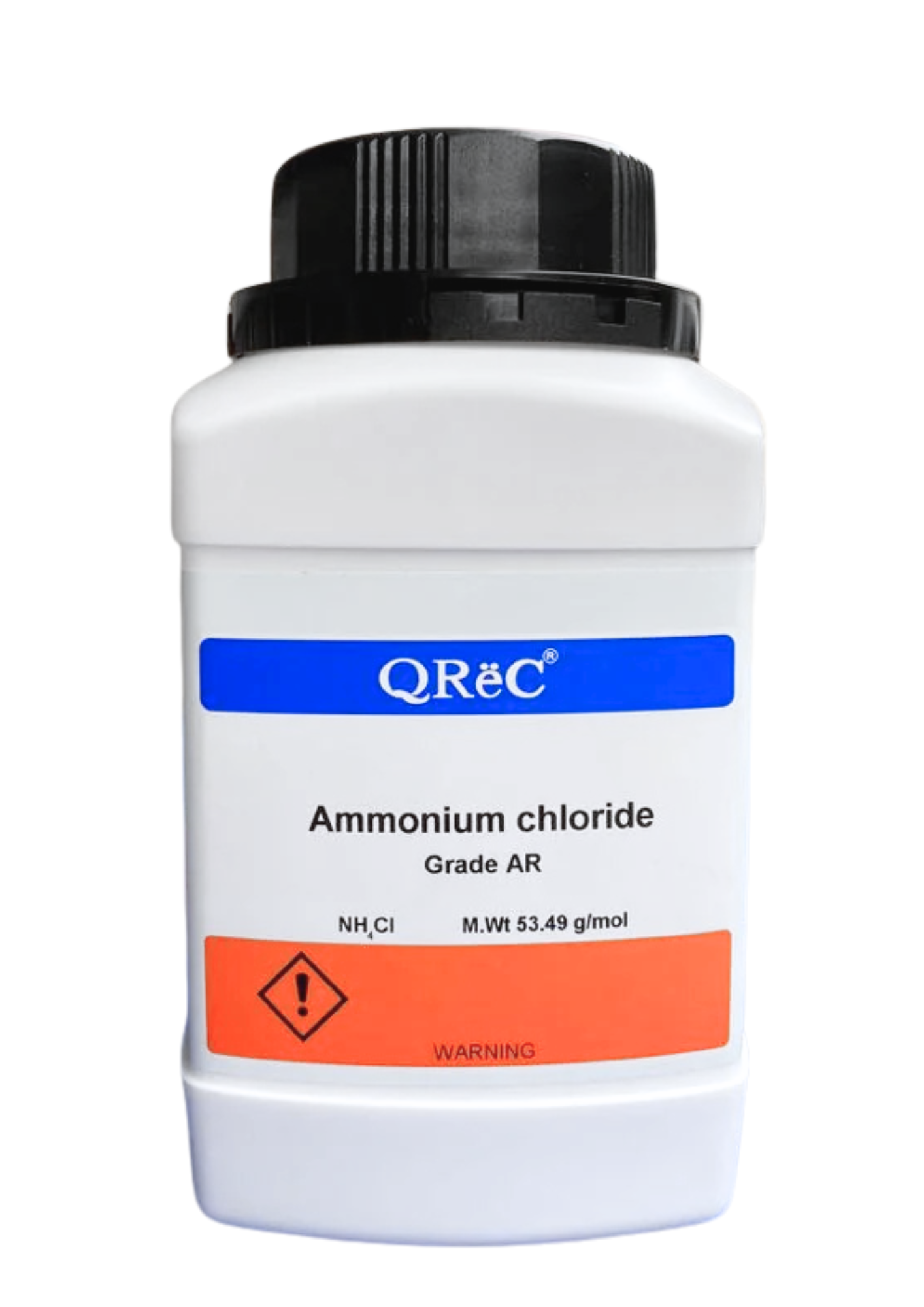
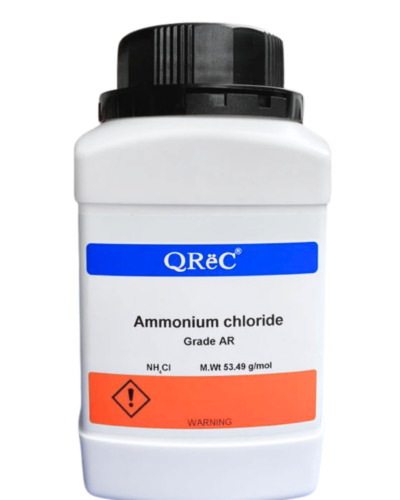
- Product Name: Ammonium chloride 99.8% or Sal ammoniac or Ammonium hydrochloride or Muriate of ammonia
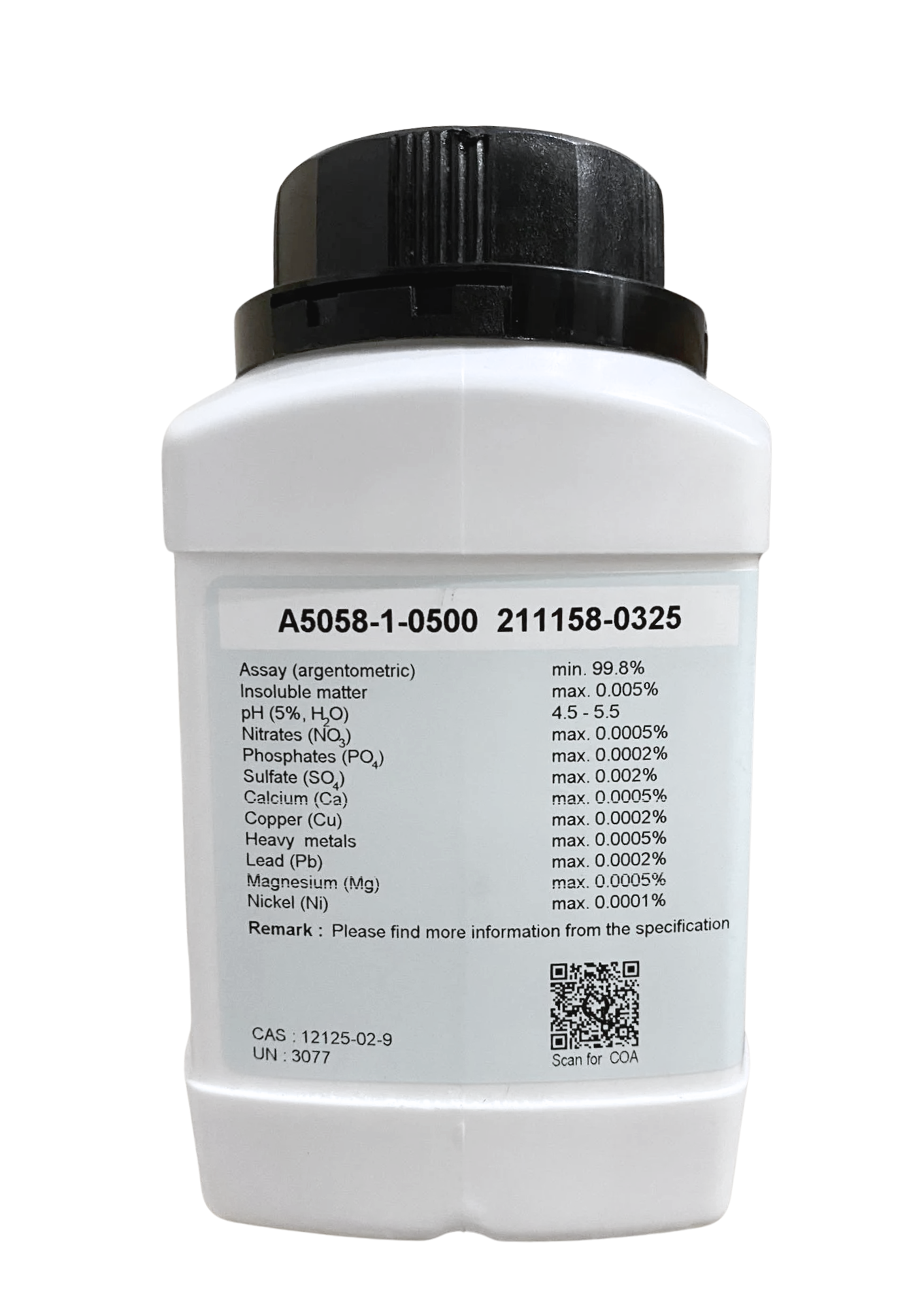
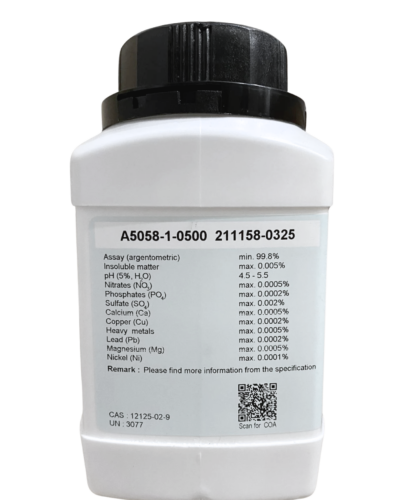
- Brand: QReC (Product Code: QR-A5058-1-0500)
- Grade: Analytical Reagent High Purity Grade (AR Grade) featuring an exceptional certified chemical assay of not less than 99.8 percent. Manufactured and multi-crystallized under strict QReC global laboratory specifications. Rigorously analyzed to enforce exceptionally low ppm thresholds of residue on ignition, sulfate, phosphate, nitrate, iodide, water-insoluble matter, and trace heavy metals (such as iron, lead, copper, arsenic, zinc, magnesium, and calcium). Exhibits dry, uniform crystals that dissolve cleanly and completely in water, producing crystal-clear, sediment-free acidic solutions. Packaged in a heavy-duty, moisture-barrier polymer container equipped with a hermetic seal.
- Physical Properties: Colorless crystals or white fine crystalline powder. Odorless with a characteristic cool, saline taste. Slightly hygroscopic in humid ambient air. Sublimes upon elevated thermal exposure (above approximately 338 degrees Celsius). Aqueous solutions are mildly acidic (pH approximately 4.5 to 5.5 for a 5 percent aqueous solution at room temperature). Non-combustible inorganic salt.
- Solubility: Readily and highly soluble in water (approximately 37 to 39 grams per 100 milliliters at 20 degrees Celsius; escalates to nearly 75 grams in boiling water; dissolution is a strongly endothermic process, resulting in a pronounced, rapid drop in solution temperature); freely soluble in glycerol; moderately soluble in ethanol and methanol; practically insoluble in diethyl ether and acetone.
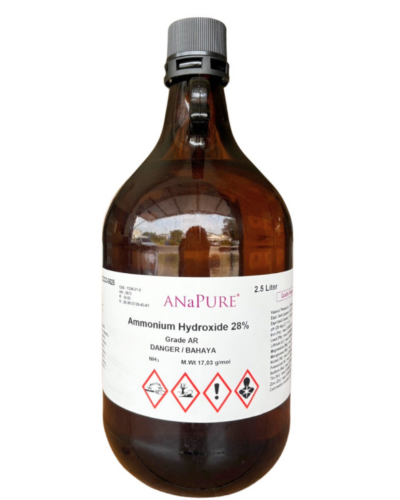
- Key Use: Heavily utilized as the foundational salt paired with aqueous ammonia to formulate standard Ammonia Buffer Solutions (pH 10.0) for complexometric EDTA titrations in determining Total Water Hardness, dissolved calcium, and magnesium. Extensively applied in preparing Red Blood Cell Lysis Buffers (ACK lysis buffer) in hematology, immunology, and flow cytometry to selectively lyse erythrocytes via ammonium-chloride-driven erythrocyte swelling without damaging leukocytes. Universally employed as a classic group reagent in qualitative inorganic analysis for the controlled precipitation and separation of Group III metal cations (aluminum, iron, and chromium). Functions as an active electrolyte component in galvanic dry-cell batteries, a soldering flux in metallographic surface treatments, and an inorganic nitrogen source in microbiological nutrient broths and agronomic research.
Safety & Hazards (Harmful Ingestion & Severe Eye Irritation)
- Classification: Harmful if swallowed. Causes serious eye irritation. May cause respiratory irritation.
- Health Risks: Direct ocular contact triggers intense burning stinging, conjunctival redness, lacrimation, and corneal irritation. Prolonged dermal contact may cause mild dryness or superficial skin irritation. Inhalation of particulate dust irritates the mucous membranes of the respiratory tract, causing sneezing, coughing, and minor dyspnea; thermal decomposition fumes (ammonia and hydrogen chloride) exert aggressive caustic respiratory attacks. Ingestion of substantial quantities produces acute gastrointestinal irritation, epigastric pain, nausea, vomiting, thirst, systemic metabolic acidosis, and potential hyperammonemia in individuals with impaired hepatic or renal clearance.
- First Aid Measures: Immediately flush affected eyes with an abundant stream of clean flowing water for at least 15 minutes while stripping contaminated garments; remove contact lenses promptly. Wash exposed skin thoroughly with soap and water. In case of dust inhalation, rapidly relocate the victim to fresh air. If accidentally swallowed, rinse mouth thoroughly, administer water in moderate amounts, and seek medical attention.
Handling & Storage
- Storage: Hygroscopic Inorganic Salt and Eye Irritant. Atmospheric moisture exposure promotes caking into hard solid masses. Must be preserved in its original, tightly closed QReC container. Store in a clean, cool, dry, and well-ventilated dedicated chemical store at controlled temperatures (below 25 to 30 degrees Celsius), sheltered from excessive humidity and direct solar radiation. Keep strictly segregated from strong oxidizing agents (such as ammonium nitrate, potassium chlorate, and bromine trifluoride), strong mineral acids, and strong concentrated alkalis (contact with strong alkalis liberates pungent, toxic ammonia gas immediately).
- Precautions: Standard laboratory PPE is mandatory, including protective chemical gloves, splash-proof safety goggles, a certified particulate dust mask, and a protective lab coat. Re-seal container cap tightly immediately after sampling to prevent moisture uptake and caking. Minimize dust generation during weighing and dispensing.