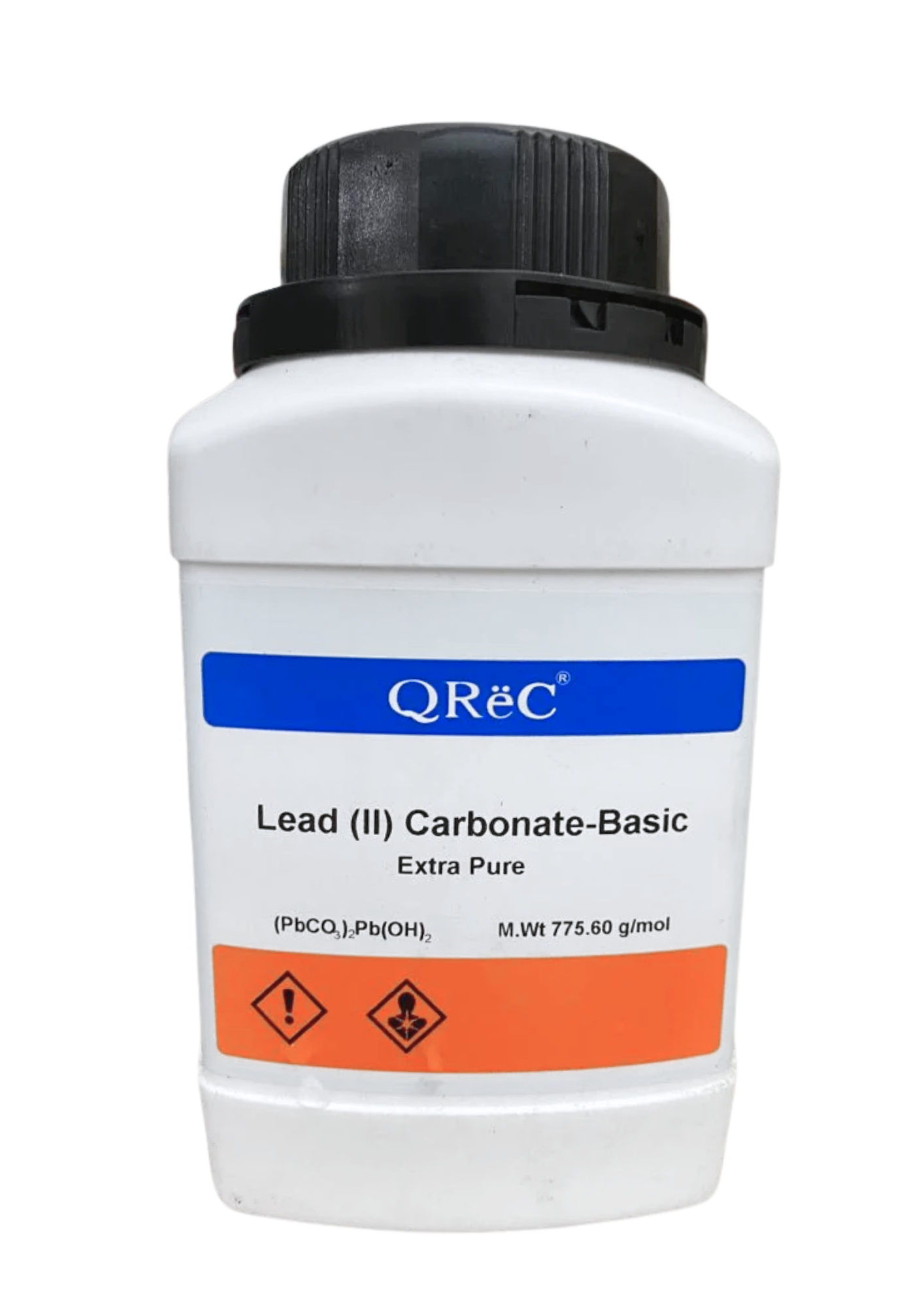
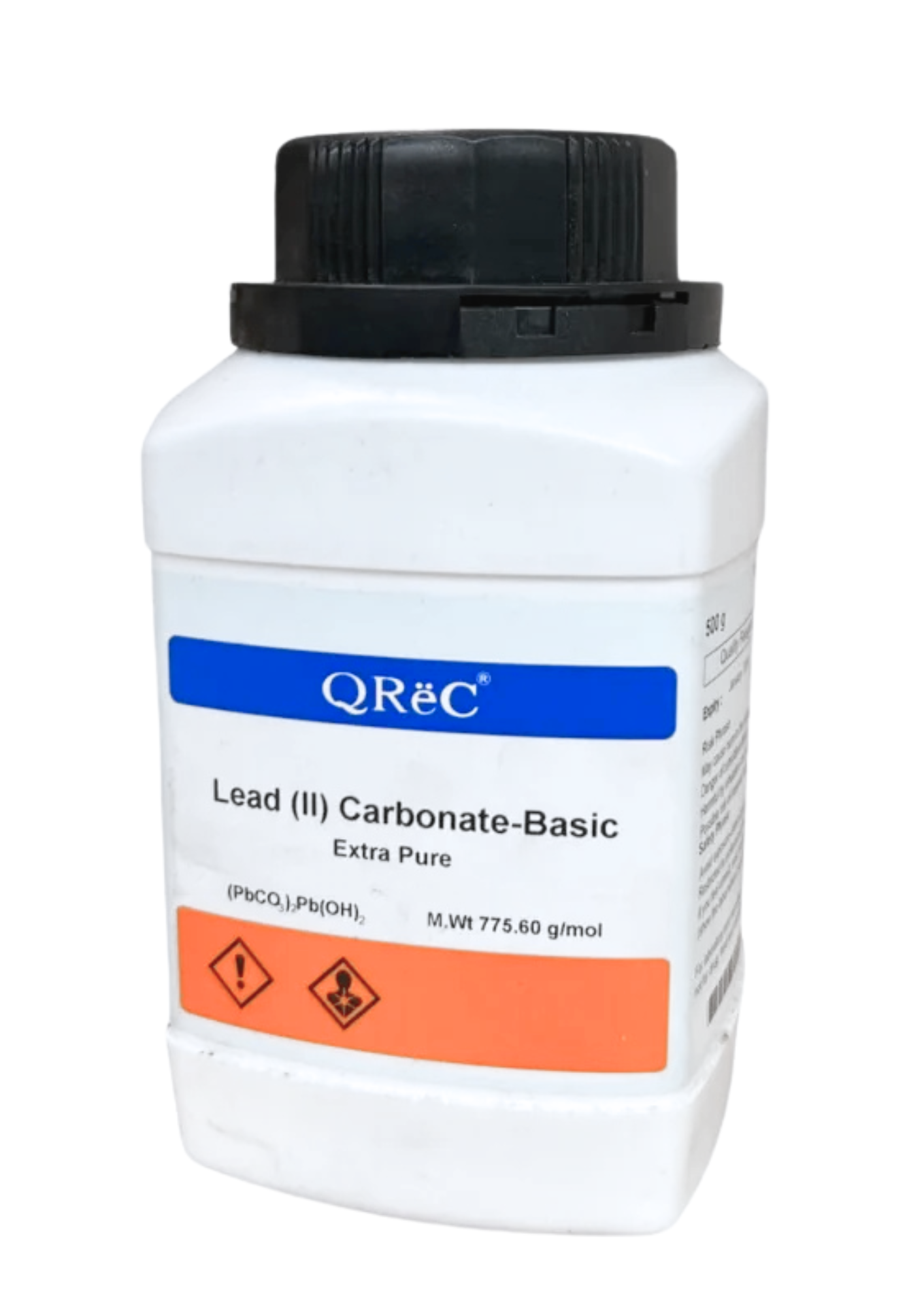
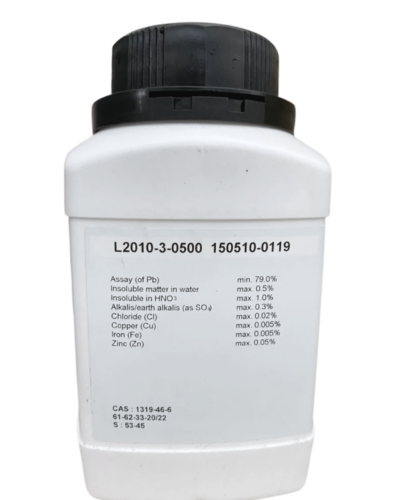
Lead (II) carbonate or Lead carbonate or White lead or Plumbous carbonate
Product Overview & Quality
- Product Name: Lead (II) carbonate or Lead carbonate or White lead or Plumbous carbonate
- Brand: QReC (Product Code: QR-L2010-3-0500)
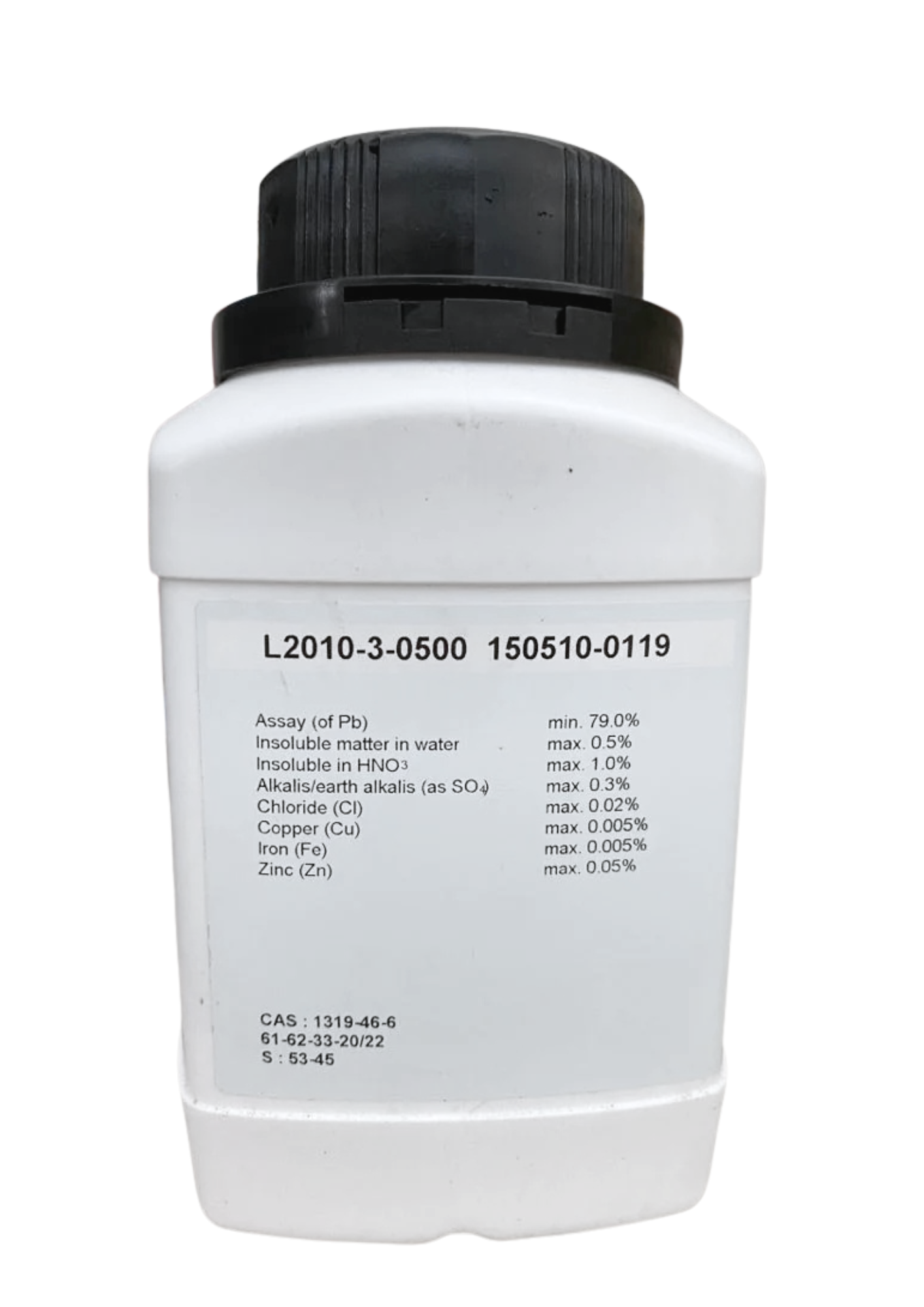
- Grade: Extra Pure Grade featuring a certified chemical assay of not less than 98.0 percent. Manufactured and synthesized under strict QReC global laboratory specifications to maintain consistent lead stoichiometry. Strictly analyzed to enforce minimal ppm limits of chloride, sulfate, nitrate, dilute acetic acid-insoluble matter, and extraneous heavy metals (such as iron, copper, zinc, calcium, magnesium, and arsenic). Fine, dense, uniform white powder matrix dissolves completely in dilute acids without leaving gritty mineral residue. Packaged in a heavy-duty, secure polymer container equipped with an airtight seal to prevent powder spillage and heavy metal particulate migration.
- Physical Properties: Heavy, dense, fine white powder or microcrystalline solid. Odorless. Thermodynamically stable under ambient conditions. Thermally decomposes at elevated temperatures, releasing carbon dioxide gas and leaving a yellowish lead oxide residue. Non-combustible inorganic solid. Insoluble in water.
- Solubility: Practically insoluble in water (less than 0.0001 grams per 100 milliliters at room temperature); insoluble in ethanol; readily soluble in dilute mineral acids (such as dilute nitric acid) and organic acids (such as dilute acetic acid) with effervescence of carbon dioxide, forming soluble lead salts; soluble in hot, concentrated alkaline solutions.
- Key Use: Heavily utilized as a primary chemical precursor for synthesizing ultra-pure lead inorganic salts (such as lead nitrate, lead acetate, and lead chloride) in preparative inorganic and materials chemistry. Applied as an inorganic catalyst and reagent in organic chemical synthesis and polymer curing formulations (such as specialized polyesters and photopolymers). Extensively employed in materials science research for synthesizing advanced electro-ceramic materials, piezoelectric ceramics (Lead Zirconate Titanate: PZT), and specialized X-ray shielding glasses. Serves as an analytical reference material for standardizing heavy metal testing protocols in environmental science. Historically evaluated as the classic white lead artist pigment in archaeological and art conservation science.
Safety & Hazards (Critical, Cumulative Neurotoxin, Carcinogen, Reproductive Hazard & Aquatic Toxicity)
- Classification: May damage fertility or the unborn child (Reproductive Toxicity Category 1A). Suspected of causing cancer (Carcinogenicity Category 2). Causes damage to organs (Central nervous system, kidneys, blood, cardiovascular system) through prolonged or repeated exposure. Harmful if swallowed or inhaled. Very toxic to aquatic life with long lasting effects.
- Health Risks: Lead is a persistent, bioaccumulative heavy metal poison that disrupts essential enzymatic and cellular mechanisms. Direct ocular contact produces mechanical stinging, conjunctival redness, and irritation. Particulate dust inhalation causes upper airway irritation and enables rapid pulmonary absorption into systemic circulation. Critical Cumulative Toxicity: Chronic occupational absorption results in severe systemic saturnism (lead poisoning), causing irreversible central nervous system deficits, cognitive decline, encephalopathy, peripheral motor neuropathy (wrist/foot drop), microcytic anemia, chronic nephropathy, hypertension, infertility, and spontaneous abortion or severe congenital defects in the fetus. Acute ingestion triggers severe astringent metallic taste, violent abdominal cramping (lead colic), nausea, vomiting, obstinate constipation or diarrhea, encephalopathy, convulsions, and coma.
- First Aid Measures: Immediately flush affected eyes with an abundant stream of clean flowing water for at least 15 minutes while stripping contaminated garments; remove contact lenses promptly. Wash exposed skin thoroughly with soap and water. In case of dust inhalation, rapidly relocate the victim to fresh air. If accidentally swallowed, rinse mouth thoroughly, administer water in moderate amounts, and seek immediate, urgent emergency medical attention (specialist evaluation for heavy metal chelation therapy is critical).
Handling & Storage
- Storage: Cumulative Heavy Metal Toxin and Severe Environmental Pollutant. Must be preserved in its original, tightly closed QReC container placed inside secondary containment within a dedicated, locked hazardous chemical safety cabinet. Store in a clean, strictly dry, cool, and well-ventilated dedicated chemical store at controlled temperatures (below 25 to 30 degrees Celsius), sheltered from humidity and direct sunlight. Keep strictly segregated from strong mineral acids (which solubilize lead and liberate gas), strong oxidizing agents, and foodstuffs.
- Precautions: Full specialized PPE is mandatory, including heavy chemical-resistant nitrile gloves, splash-proof safety goggles, a certified particulate dust respirator (HEPA / N100 / P100 rated), and a protective lab coat. “Mandatory Handling Mandate: Dispense, weigh, and handle all lead carbonate powders exclusively and strictly within a certified, properly functioning laboratory fume hood to prevent airborne particulate dispersal and chronic inhalation. Pregnant or nursing personnel are strictly prohibited from handling this substance.” Never discharge lead washings or residues into municipal sewers; collect in dedicated heavy-metal toxic waste streams for certified regulatory disposal.