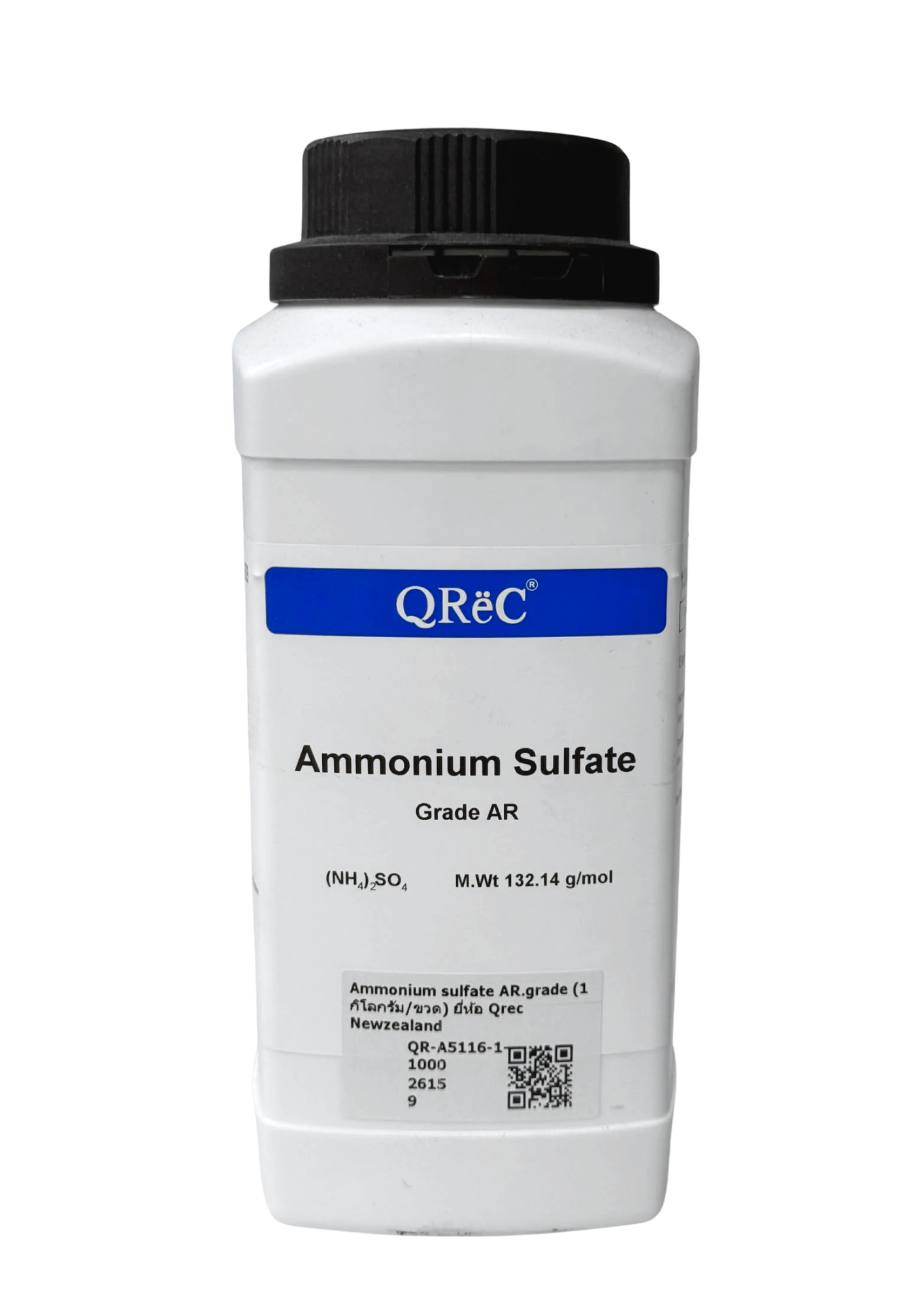
Ammonium sulfate 99.5% or Diammonium sulfate or Sulfuric acid diammonium salt
Product Overview & Quality
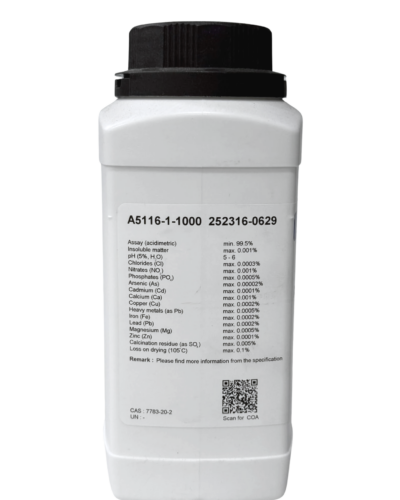
- Product Name: Ammonium sulfate 99.5% or Diammonium sulfate or Sulfuric acid diammonium salt
- Brand: QReC (Product Code: QR-A5116-1-1000)
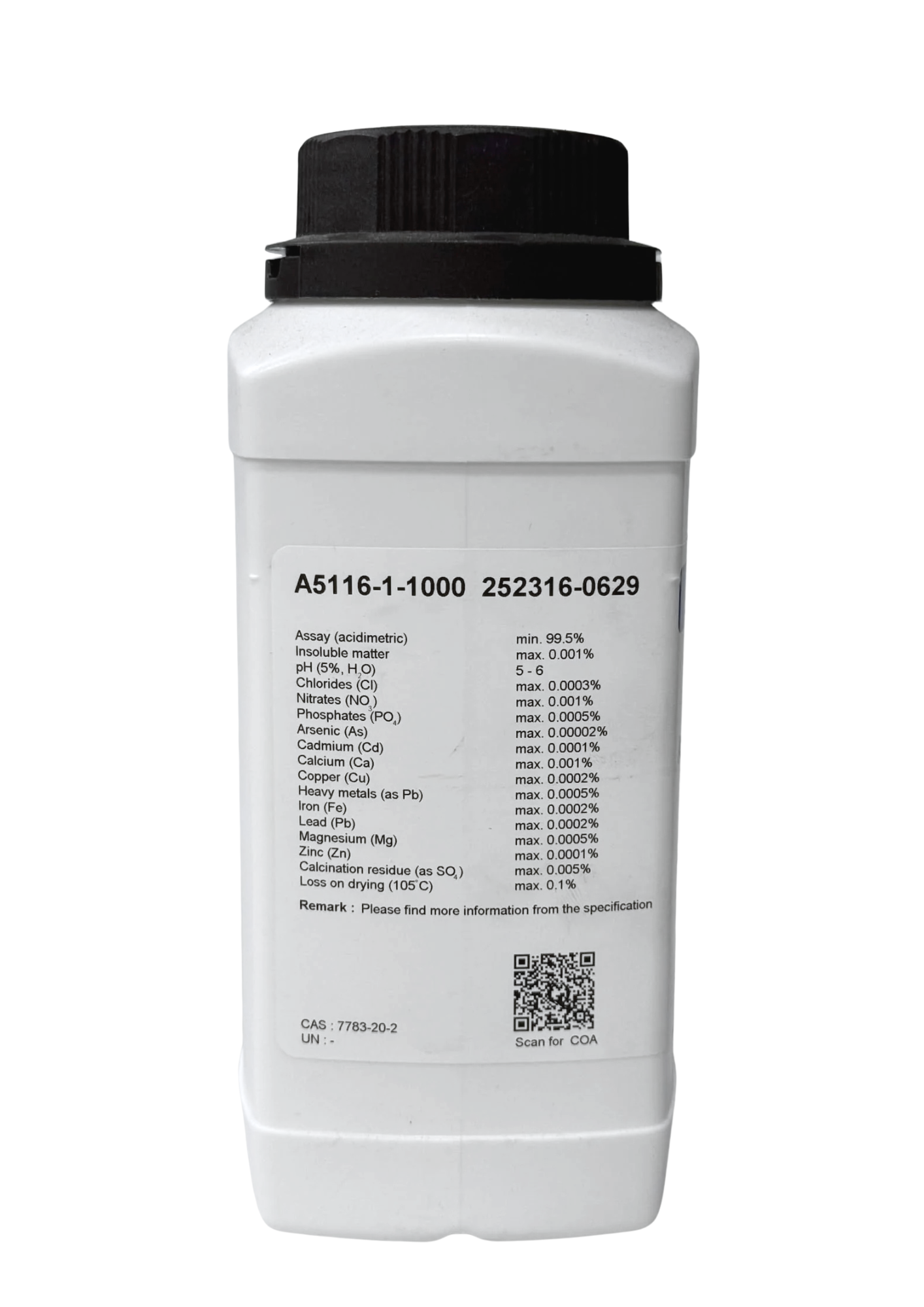
- Grade: Analytical Reagent High Purity Grade (AR Grade) featuring an exceptional certified chemical assay of not less than 99.5 percent. Manufactured and multi-recrystallized under strict QReC global laboratory specifications. Rigorously analyzed to maintain ultra-low limits of residue on ignition (strictly below 0.005 percent), chloride, nitrate, phosphate, water-insoluble matter, and trace heavy metals (such as iron, lead, copper, arsenic, zinc, magnesium, and calcium). Conforms to certified DNase, RNase, and Protease-free specifications, ensuring biological inertness in nucleic acid and protein biochemistry. Exhibits exceptionally low background ultraviolet absorbance at 260 and 280 nanometers, dissolving completely in water to yield transparent, particulate-free neutral solutions. Packaged in a heavy-duty, moisture-barrier polymer container equipped with a hermetic seal.
- Physical Properties: Colorless crystals, crystalline granules, or fine white crystalline powder. Odorless with a slight saline-bitter taste. Thermodynamically stable under ambient conditions; slightly hygroscopic at elevated relative humidity. Aqueous solutions are mildly acidic (pH approximately 5.0 to 6.0 for a 5 percent aqueous solution at room temperature). Non-combustible and non-corrosive solid.
- Solubility: Readily and highly soluble in water (approximately 75 to 76 grams per 100 milliliters at 20 degrees Celsius; dissolution is slightly endothermic, with solubility exceeding 100 grams per 100 milliliters in boiling water); practically insoluble in ethanol, acetone, and diethyl ether.
- Key Use: Universally utilized as the standard salting-out reagent in protein chemistry and molecular biology for Ammonium Sulfate Fractionation (precipitation), selectively precipitating native proteins, immunoglobulins, and enzymes via hydrophobic dehydration without causing irreversible conformational denaturation. Widely applied as a precipitant in protein crystallization workflows for structural determination via X-ray crystallography. Serves as an essential high-salt mobile phase modifier in Hydrophobic Interaction Chromatography (HIC). Extensively employed as an inorganic source of bioavailable nitrogen and sulfur in microbiological culture media, plant tissue culture, and bioprocess fermentations. Functions as an analytical reference standard and reagent in clinical diagnostic testing, environmental water analysis, and agricultural fertilizer characterization.
Safety & Hazards
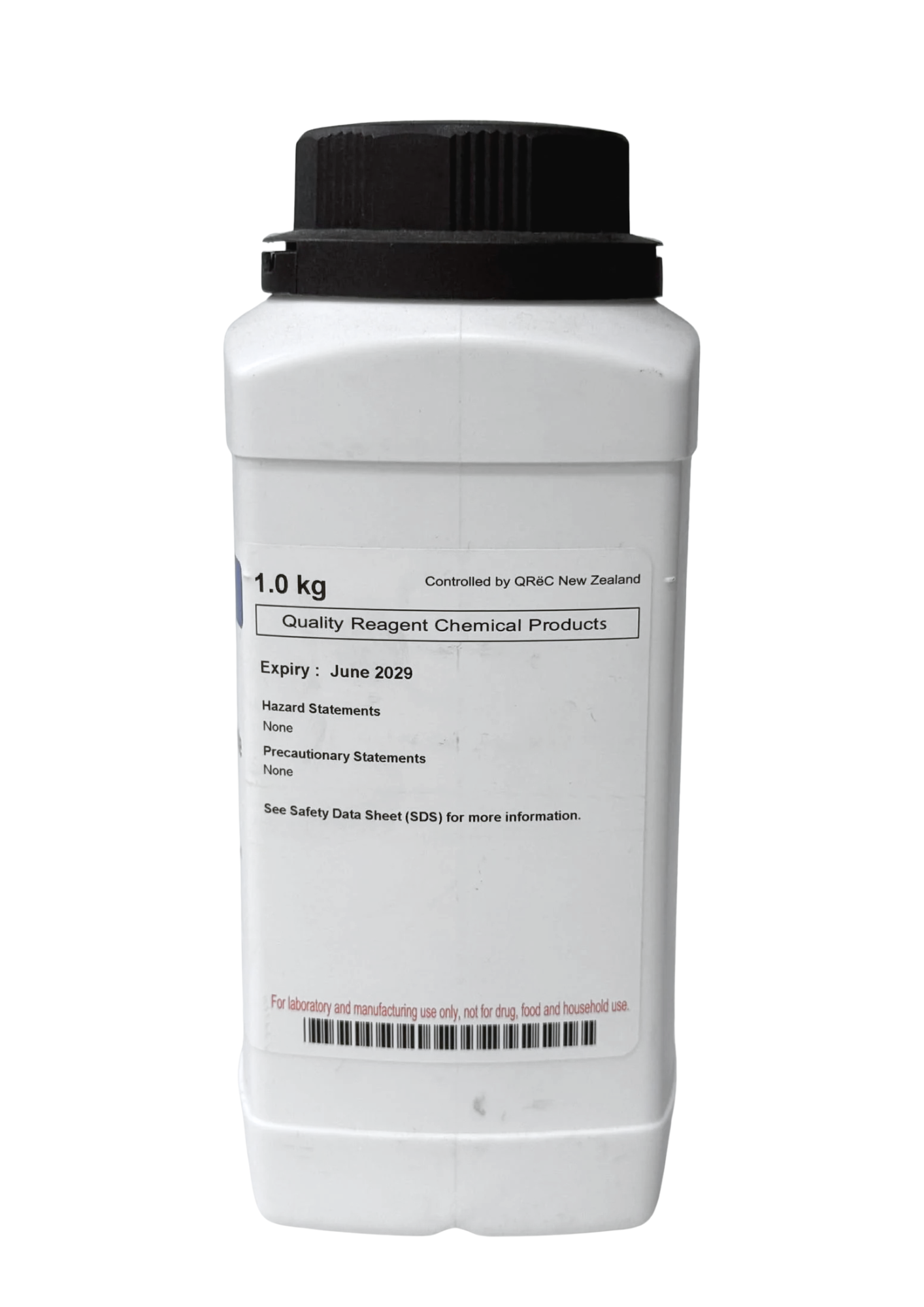
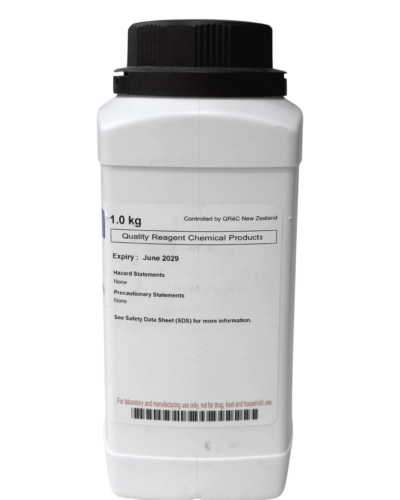
- Classification: Non-hazardous substance under standard GHS classification criteria in routine laboratory usage. Exceptionally low acute toxicity profile; particulate dust may exert mild mechanical irritation to ocular, dermal, and respiratory surfaces.
- Health Risks: Direct ocular contact may cause transient mechanical stinging, conjunctival redness, or lacrimation. Prolonged dermal contact may produce mild dryness or superficial irritation. Inhalation of airborne particulate dust can cause minor sneezing, coughing, or upper respiratory discomfort. Ingestion of substantial quantities may provoke transient gastrointestinal upset, abdominal cramping, nausea, vomiting, or diarrhea.
- First Aid Measures: Flush affected eyes thoroughly with clean running water for at least 10 to 15 minutes. Wash exposed skin with soap and water. In case of dust inhalation, relocate the individual to fresh air. If accidentally swallowed in excessive amounts, rinse mouth thoroughly, drink fresh water, and seek medical advice if discomfort persists.
Handling & Storage
- Storage: Stable Analytical Buffer Salt. Must be preserved in its original, tightly closed QReC polymer container. Store in a clean, strictly dry, cool, and well-ventilated dedicated chemical store at controlled temperatures (below 25 to 30 degrees Celsius), sheltered from humidity and direct sunlight. Keep strictly segregated from strong alkalis (contact with strong alkalis liberates toxic, pungent ammonia gas immediately), strong oxidizing agents (such as chlorates and nitrates), and nitrites.
- Precautions: Standard laboratory PPE is mandatory, including protective gloves, safety glasses, and a protective lab coat. Re-seal container cap tightly immediately after sampling to prevent ambient caking. Minimize dust generation during weighing and dispensing.