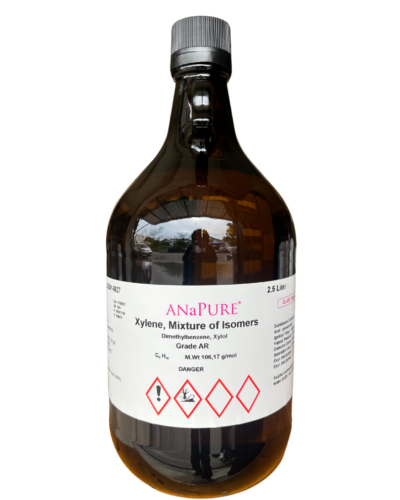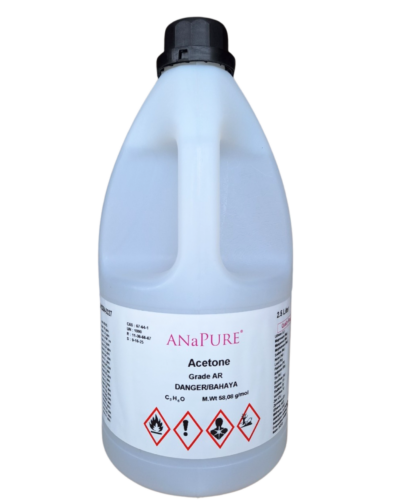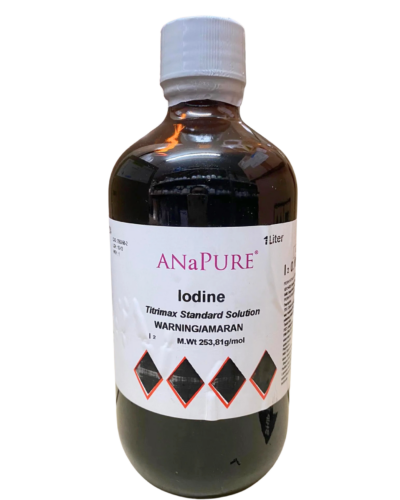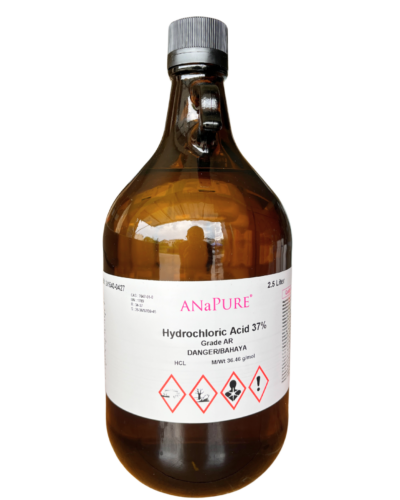
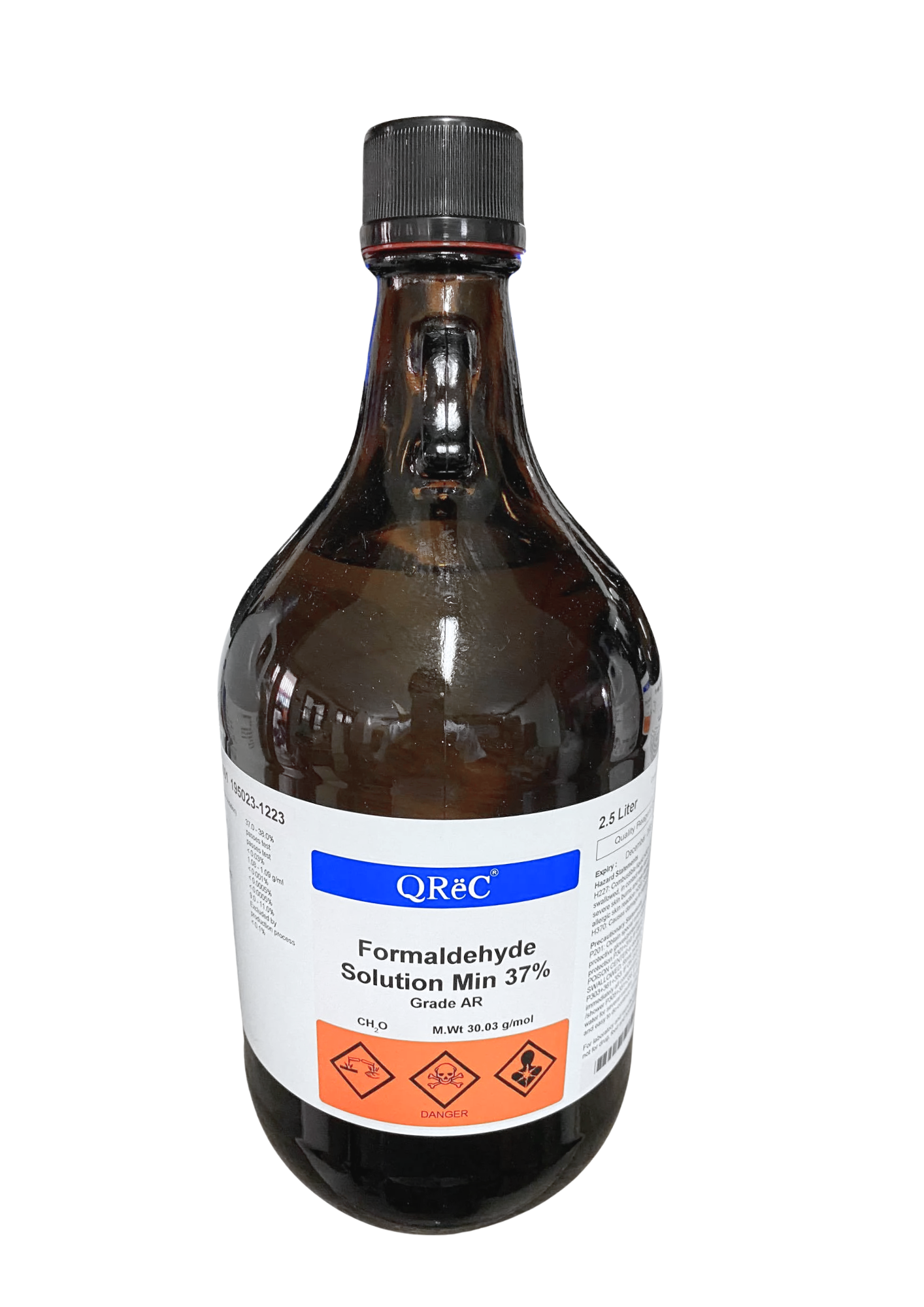
Formaldehyde solution 37% or Formalin
Product Overview & Quality
- Product Name: Formaldehyde solution 37% or Formalin or Methylene oxide
- Brand: QReC (Product Code: QR-F5023-1-2501)
- Grade: Analytical Reagent (AR Grade) featuring a certified nominal concentration of 37 percent (weight/weight), stabilized with approximately 10 to 15 percent methanol to inhibit polymer precipitation. Manufactured and quality-verified under strict QReC global laboratory standards. Tightly regulated to ensure exceptionally low ppm thresholds of free formic acid, residue on evaporation, chloride, sulfate, and trace heavy metals (such as lead and iron). This high-grade formulation maintains chemical stability and clarity, ensuring precise, artifact-free histological fixation. Packaged in a heavy-duty amber glass bottle for light protection and maximum container integrity.
- Physical Properties: Clear, colorless liquid with a pungent, suffocating, and highly irritating characteristic odor. Vapors are flammable and severely irritating to mucous membranes.
- Solubility: Completely miscible in all proportions with water, ethanol, methanol, and acetone.
- Key Use: Heavily utilized as the definitive tissue fixative (most commonly diluted to prepare 10 percent neutral buffered formalin) in pathology, histology, and anatomy laboratories to cross-link cellular proteins and preserve biological tissue architecture prior to biopsy examination. Extensively applied as a biological specimen preservative for zoological and anatomical research collections. Widely used as a vital reactive intermediate in advanced organic synthesis and polymer chemistry. Serves as a potent broad-spectrum disinfectant and sterilizing agent in dedicated biotechnical applications.
Safety & Hazards (Critical, Carcinogen & Highly Toxic)
- Classification: Carcinogenic to humans. May cause genetic defects. Toxic if swallowed. Toxic in contact with skin. Toxic if inhaled. Causes severe skin burns and eye damage. May cause an allergic skin reaction. May cause allergy or asthma symptoms or breathing difficulties if inhaled.
- Health Risks: Vapors cause immediate lacrimation, violent coughing, and severe upper respiratory tract irritation. Direct ocular exposure causes deep chemical burns, corneal opacification, and irreversible blindness. Dermal contact induces allergic sensitization, severe contact dermatitis, tissue hardening, and chemical burns. Inhalation of concentrated fumes risks chemical pneumonitis and fatal pulmonary edema. Chronic long-term exposure is definitively linked to nasopharyngeal carcinoma and leukemia.
- First Aid Measures: Immediately flush exposed eyes or skin with an abundant stream of clean flowing water for at least 15 minutes while removing contaminated garments. In case of inhalation, rapidly relocate the victim to fresh air. If swallowed, do NOT induce vomiting; thoroughly rinse mouth, administer water if conscious, and seek immediate, urgent emergency medical care.
Handling & Storage
- Storage: Carcinogenic, Toxic, and Temperature-Sensitive Solution. “Do NOT refrigerate“; exposure to temperatures below 15 degrees Celsius triggers irreversible polymerization into insoluble white paraformaldehyde precipitate. Must be stored in its original, tightly sealed QReC amber glass bottle inside a dedicated toxic chemical storage cabinet with continuous mechanical ventilation. Maintain at controlled ambient temperatures between 15 and 25 degrees Celsius, sheltered from direct sunlight. Keep strictly segregated from open flames, heat sources, strong oxidizers, strong bases, and strong mineral acids.
- Precautions: Comprehensive specialized PPE is mandatory, including heavy nitrile or neoprene gloves, splash-proof goggles, a protective lab coat, and a respirator approved specifically for formaldehyde vapors. Handle exclusively and strictly within a certified, properly functioning laboratory fume hood to prevent vapor accumulation and chronic exposure.