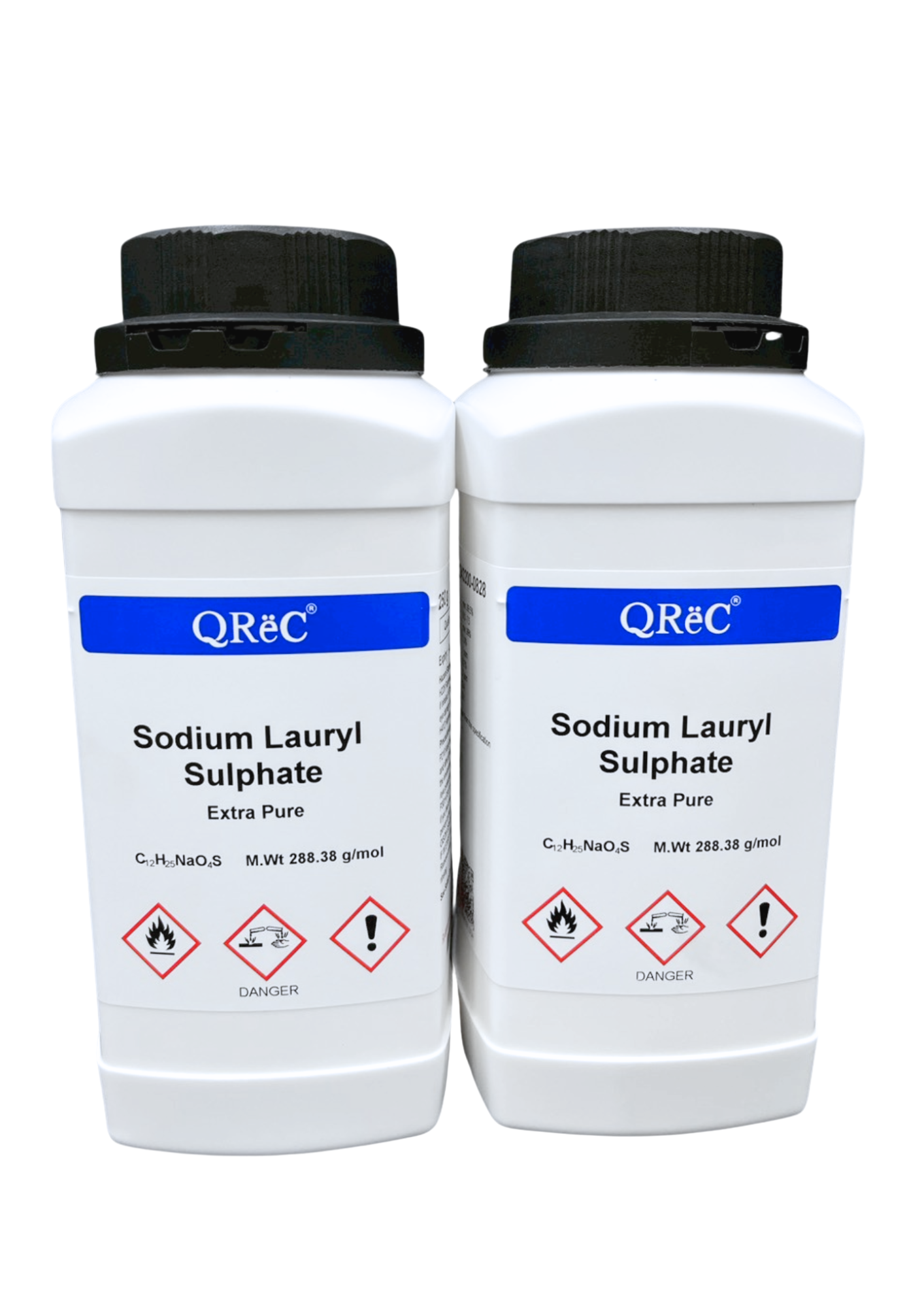
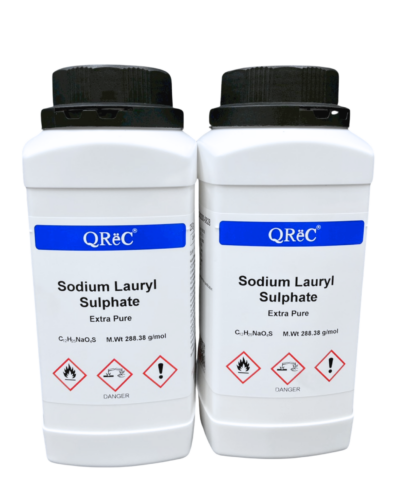
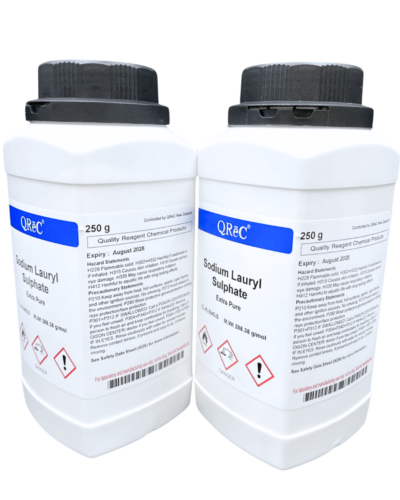
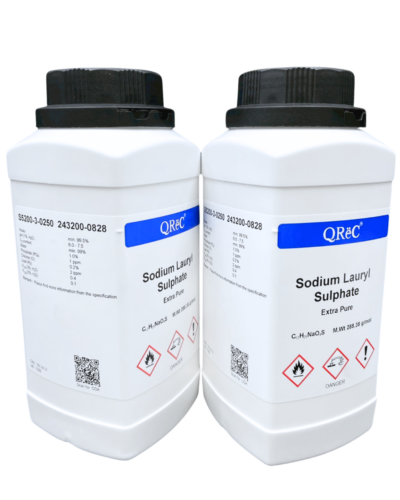
Sodium lauryl sulfate 99.5%, extra pure or Sodium dodecyl sulfate (SDS) or Sodium monododecyl sulfate
Product Overview & Quality
- Product Name: Sodium lauryl sulfate 99.5%, extra pure or Sodium dodecyl sulfate (SDS) or Sodium monododecyl sulfate
- Brand: QReC (Product Code: QR-S5200-3-0500)
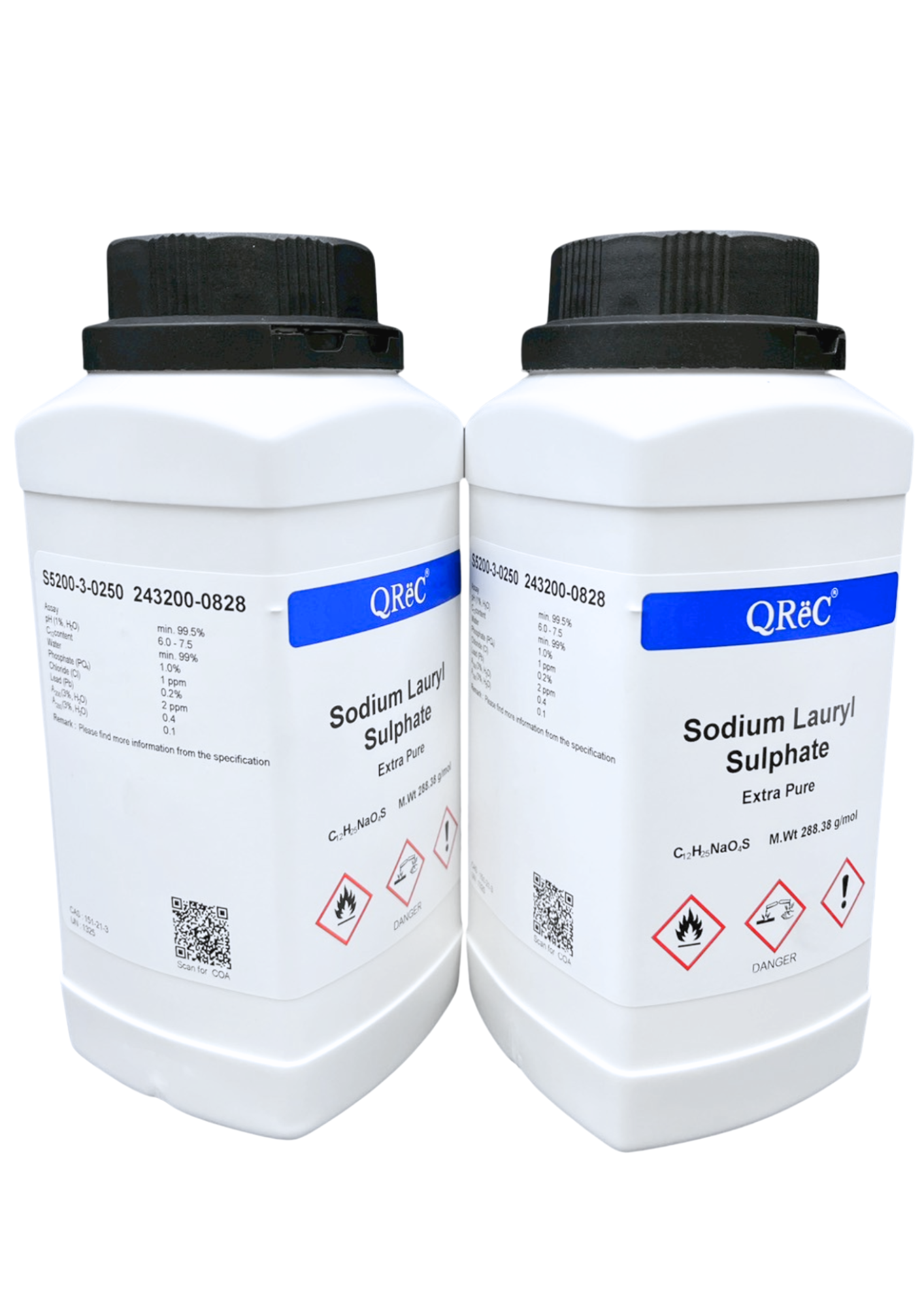
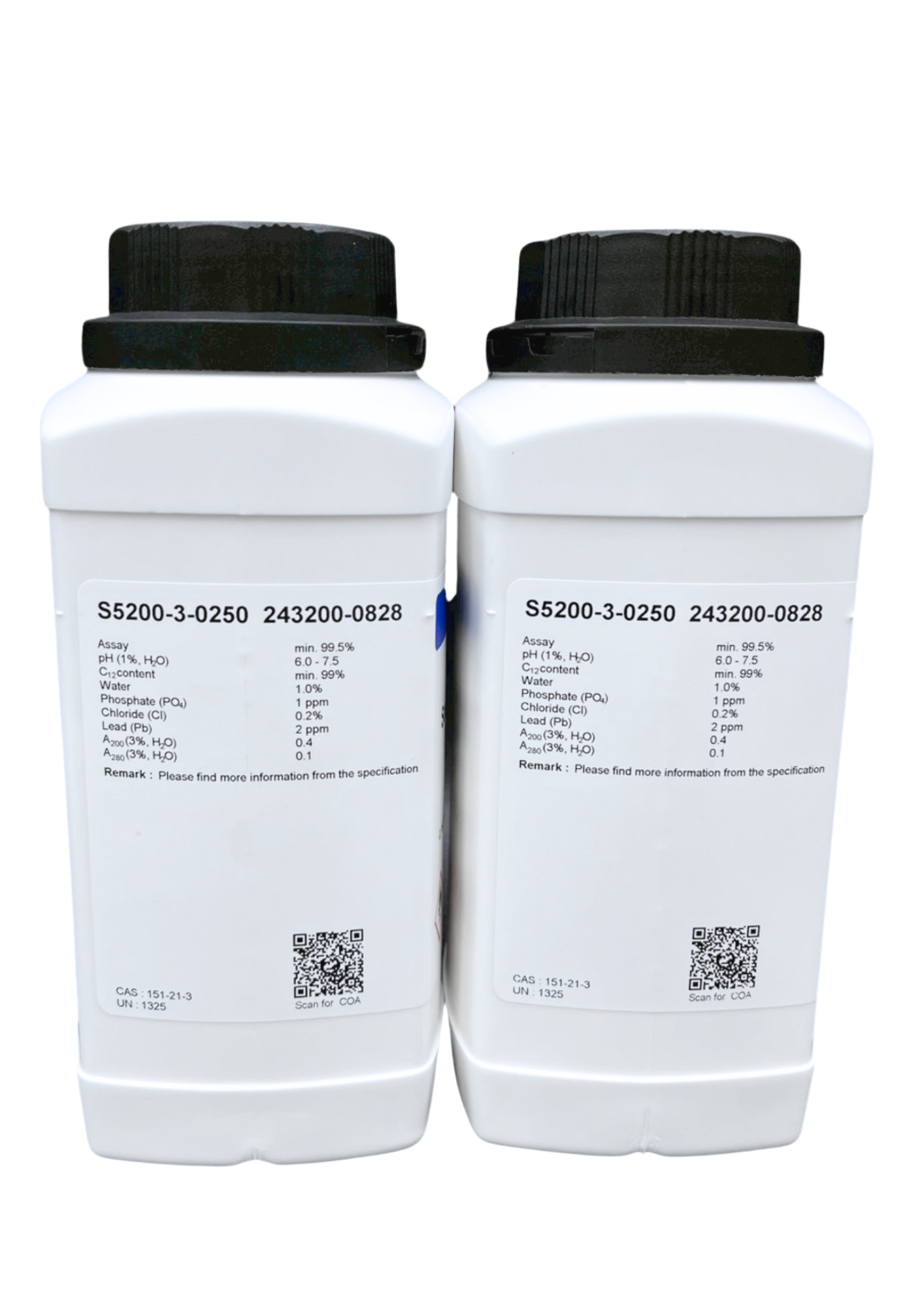
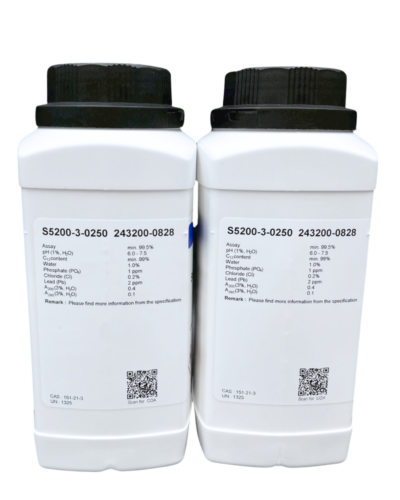
- Grade: Extra Pure Grade (Biochemical High Purity Grade) featuring an exceptional certified chemical purity assay of not less than 99.5 percent total dodecyl alkyl sulfate content. Refined and purified under strict QReC global laboratory specifications, specifically enriched for the C12 homologue to eliminate chain-length heterogeneity. Rigorously tested to maintain ultra-low ppm limits of chloride, inorganic sulfate, unsulfated alcohols, and trace heavy metals (such as lead, iron, copper, and arsenic). Conforms to certified DNase, RNase, and Protease-free standards, ensuring non-degrading integrity in nucleic acid and protein research. Characterized by negligible ultraviolet absorbance, producing clear, colorless, particulate-free aqueous solutions. Packaged in a heavy-duty, moisture-barrier polymer container equipped with a hermetic seal.
- Physical Properties: White fine crystalline powder or crystalline flakes. Unctuous to the touch. Faint, characteristic fatty odor. Possesses extraordinary lathering and foaming capability upon aqueous dissolution and agitation. Combustible solid; fine airborne dust clouds are susceptible to dust explosion hazards upon static spark ignition.
- Solubility: Readily and highly soluble in water (approximately 10 to 15 grams per 100 milliliters at room temperature; forms an optically clear solution with heavy foaming; solubility escalates rapidly in warm water); soluble in hot ethanol; practically insoluble in diethyl ether, chloroform, and petroleum ether.
- Key Use: Universally utilized as the definitive primary denaturing surfactant in preparing running, loading, and sample buffers for Sodium Dodecyl Sulfate Polyacrylamide Gel Electrophoresis (SDS-PAGE) in molecular biology and proteomics. SDS binds to polypeptide backbones at a constant stoichiometric ratio (approximately 1.4 grams of SDS per 1 gram of protein), linearizing proteins and conferring uniform negative charge densities proportional strictly to their molecular weights. Extensively applied as a core detergent component in lysis buffers (such as RIPA buffer) for cellular and nuclear membrane solubilization during genomic DNA, total RNA, and plasmid purifications. Acts as a potent chemical denaturant that inactivates endogenous nucleases (RNases and DNases) during biomolecule extractions. Routinely used in colloid science as a standard model anionic surfactant for micelle studies, surface tension measurements, and pharmaceutical cleaning validations.
Safety & Hazards (Critical, Flammable Solid, Serious Eye Damage & Dust Inhalation)
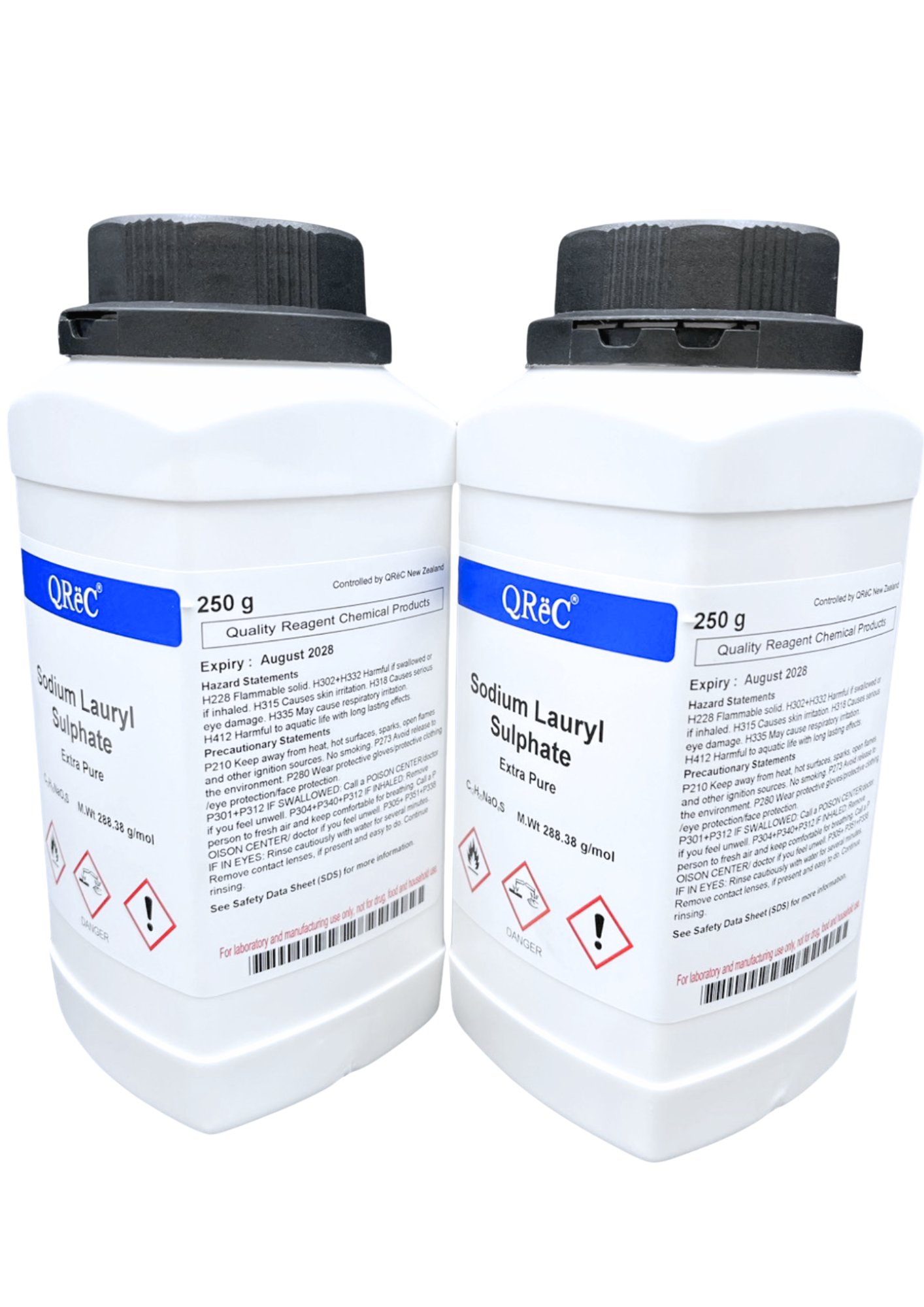
- Classification: Flammable solid. Causes serious eye damage. Causes skin irritation. Harmful if swallowed. Harmful if inhaled. May cause respiratory irritation. Toxic to aquatic life with long lasting effects.
- Health Risks: Direct ocular exposure triggers instantaneous caustic ulceration of the cornea and conjunctival tissue, resulting in intense burning pain, severe erythema, edema, lacrimation, and permanent vision impairment. Dermal contact rapidly strips essential protective epidermal lipids, inducing dryness, erythema, localized scaling, severe dermatitis, and chemical sensitization. Inhalation of fine airborne dust particles aggressively irritates the mucous membranes of the respiratory tract, causing violent sneezing, throat burning, choking, persistent coughing, and dyspnea. Ingestion produces severe gastrointestinal distress, burning sensations in the mouth and pharynx, nausea, vomiting, abdominal cramping, and osmotic diarrhea.
- First Aid Measures: Immediately flush affected eyes with an abundant stream of clean flowing water for at least 15 to 20 minutes while stripping contaminated clothing; promptly remove contact lenses. Wash exposed skin thoroughly with soap and water. In case of dust inhalation, rapidly relocate the victim to fresh air. If accidentally swallowed, thoroughly rinse mouth, administer water in moderate amounts, and seek immediate medical attention.
Handling & Storage
- Storage: Flammable Solid, Severe Respiratory Irritant, and Static Dust Hazard. Extremely lightweight, fine particulate matrix disperses effortlessly into ambient air. Must be preserved in its original, tightly sealed QReC container. Store in a clean, cool, dry, and well-ventilated dedicated chemical store at controlled temperatures (below 25 to 30 degrees Celsius), sheltered from humidity and direct sunlight. Keep strictly segregated from open flames, sparks, hot surfaces, static electrical discharge, strong mineral acids, and strong oxidizing agents.
- Precautions: Full specialized PPE is mandatory, including chemical-resistant nitrile gloves, splash-proof safety goggles, a high-efficiency particulate respirator (N95 or HEPA), and a protective lab coat. “Critical Dispensing Protocol: Because dry SDS powder is extraordinarily fine and easily aerosolized, always open containers, scoop, and weigh inside a certified, properly functioning laboratory fume hood to eliminate airborne particulate inhalation, which causes instant, violent nasal irritation and coughing.” Re-seal container tightly immediately after sampling.