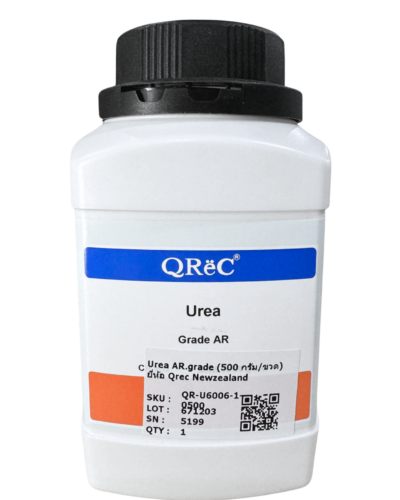
Urea 99.5% or Carbamide or Carbonyldiamide
Product Overview & Quality
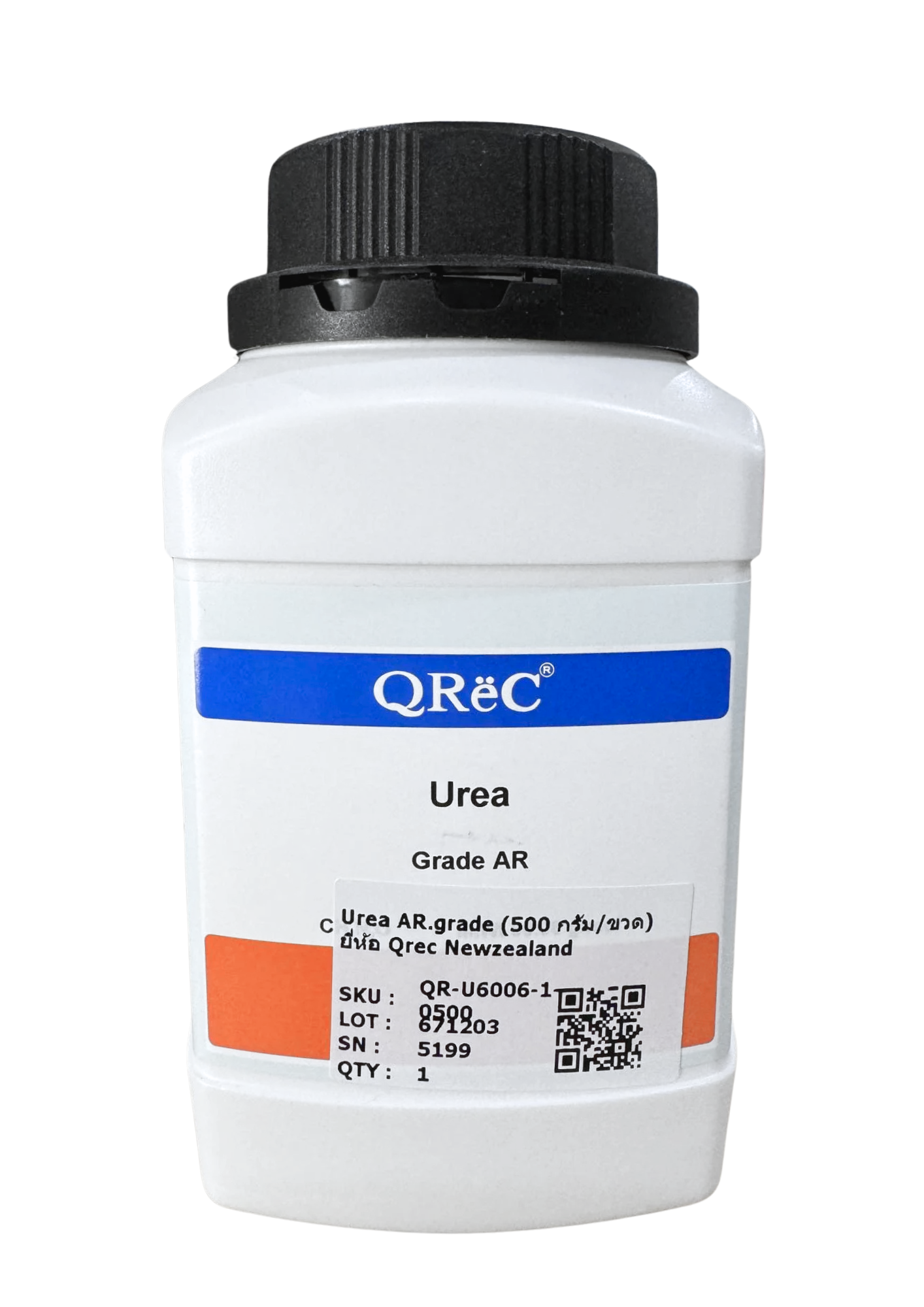
- Product Name: Urea 99.5% or Carbamide or Carbonyldiamide
- Brand: QReC (Product Code: QR-U6006-1-0500)
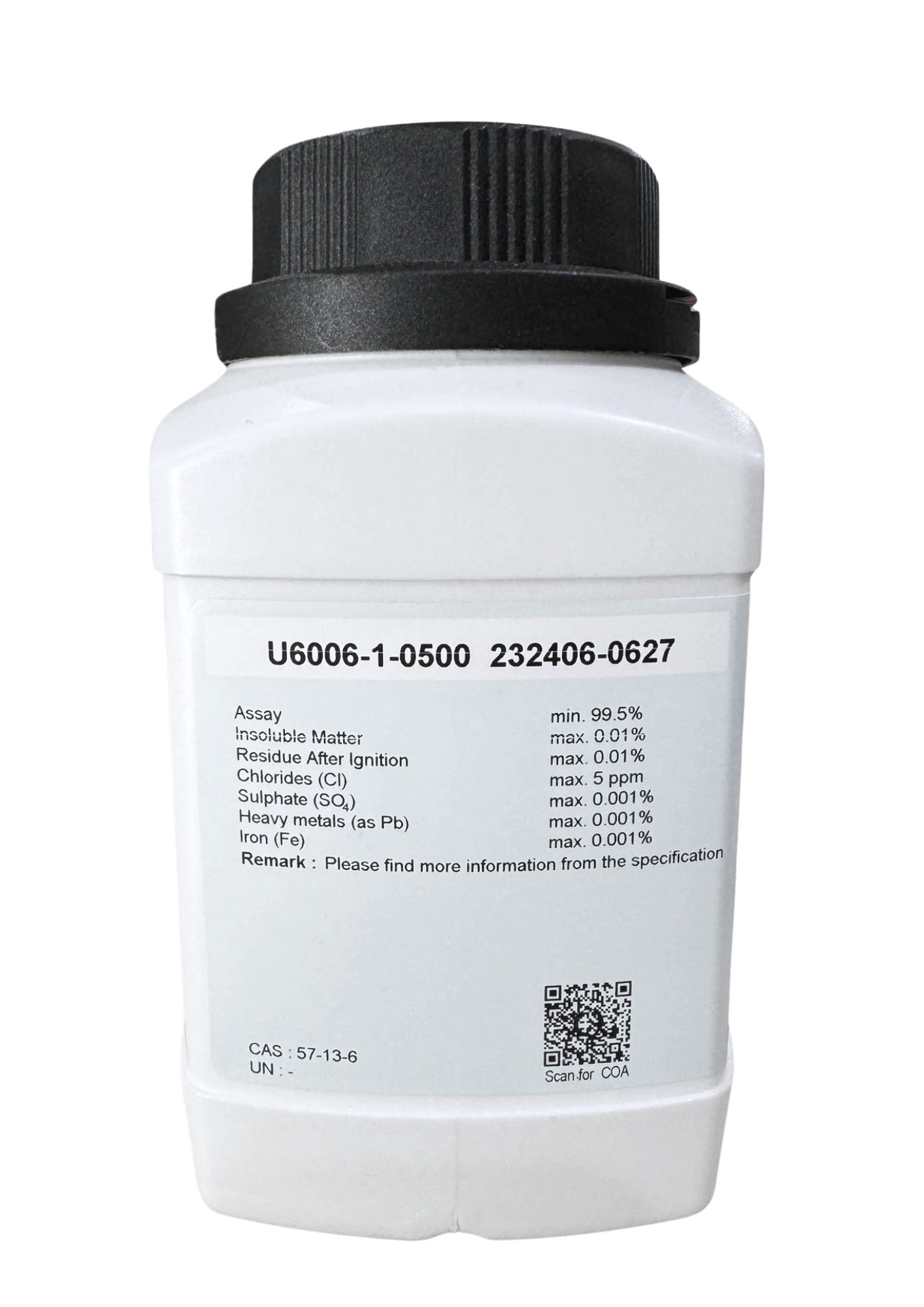
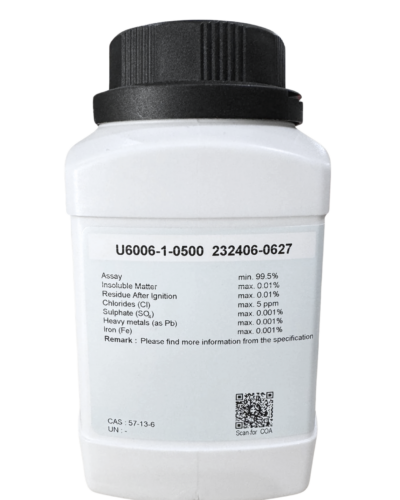
- Grade: Analytical Reagent (AR Grade) featuring an exceptional certified chemical assay of 99.5 percent or higher. Produced and multi-recrystallized under strict QReC global laboratory standards. Rigorously tested to enforce ultra-low ppm thresholds of biuret, chloride, sulfate, water-insoluble matter, free ammonia, and trace heavy metals (such as iron, lead, copper, and arsenic). Conforms to certified DNase, RNase, and Protease-free specifications, ensuring non-degrading physiological conditions in life science workflows. Exhibits low ultraviolet absorbance characteristics across critical wavelengths, preventing optical interference during nucleic acid and protein quantification. Packaged in a heavy-duty, moisture-barrier polymer container with a secure hermetic seal.
- Physical Properties: White crystalline prisms, crystalline powder, or small white pellets. Odorless to slight ammoniacal odor. Moderately hygroscopic. Aqueous solutions are practically neutral (pH approximately 7.0 to 8.0 for an aqueous solution). Non-combustible and non-corrosive.
- Solubility: Highly soluble in water (approximately 100 grams per 100 milliliters at room temperature; solubility increases drastically with elevated temperatures; dissolution is a strongly endothermic reaction, causing a pronounced cooling effect on the solution); freely soluble in ethanol, methanol, and glycerol; practically insoluble in diethyl ether and chloroform.
- Key Use: Heavily utilized as a primary chaotropic denaturing agent at high molar concentrations (typically 6 to 8 mol/L) in biochemistry and molecular biology to disrupt non-covalent interactions, solubilizing inclusion bodies and facilitating protein unfolding, denaturation, and controlled refolding protocols. Extensively applied in preparing denaturing polyacrylamide gel electrophoresis (Denaturing Urea-PAGE) to linearize secondary structures in single-stranded DNA and RNA for Sanger sequencing, fragment analysis, and RNA structure probing. Widely used in sample preparation for two-dimensional gel electrophoresis (2D-PAGE) and bottom-up proteomics workflows. Serves as an analytical reference standard for validating clinical chemistry assays (such as Blood Urea Nitrogen: BUN testing in serum and urine). Frequently utilized as a nitrogen-rich synthetic precursor in organic synthesis and resin research.
Safety & Hazards
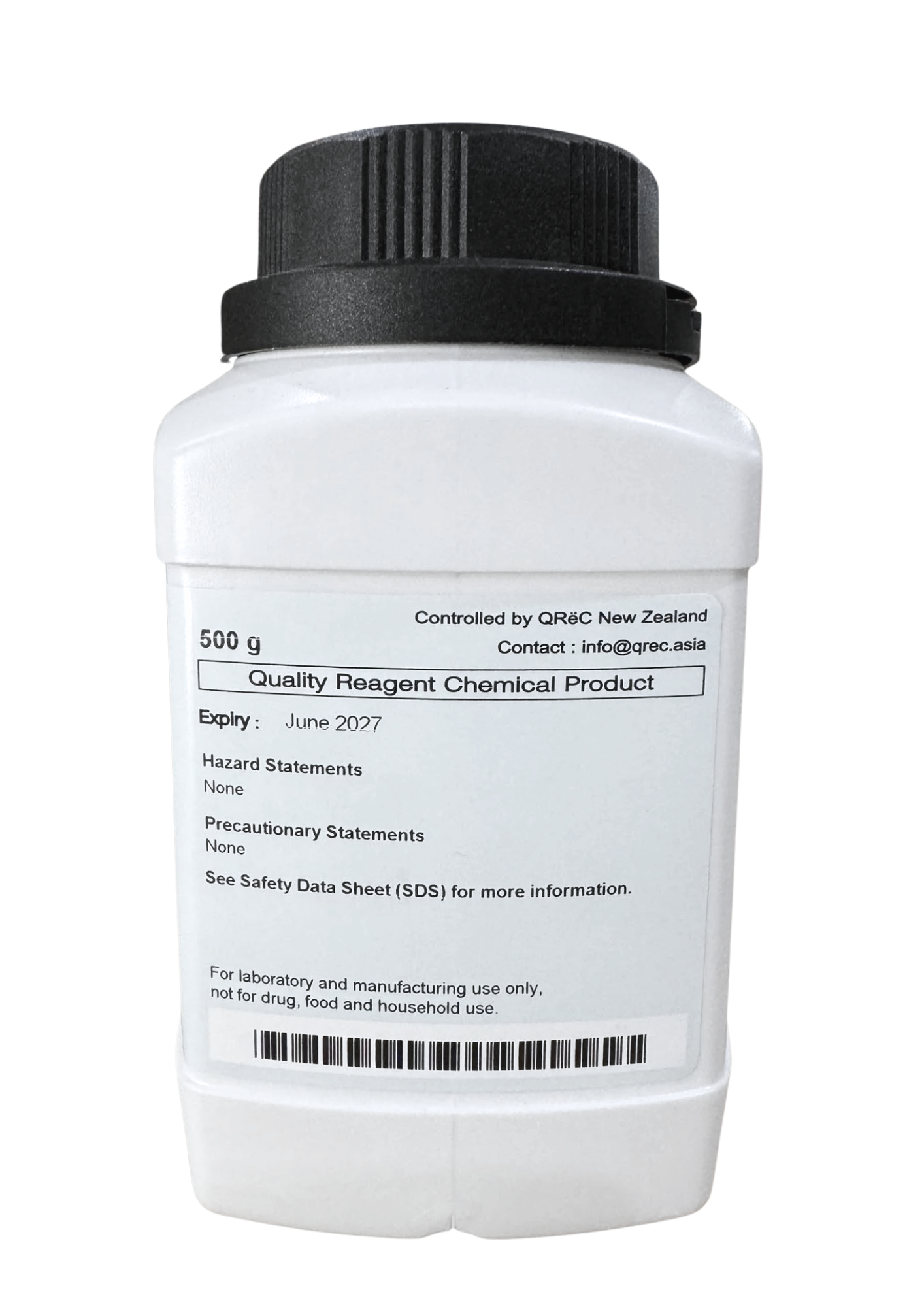
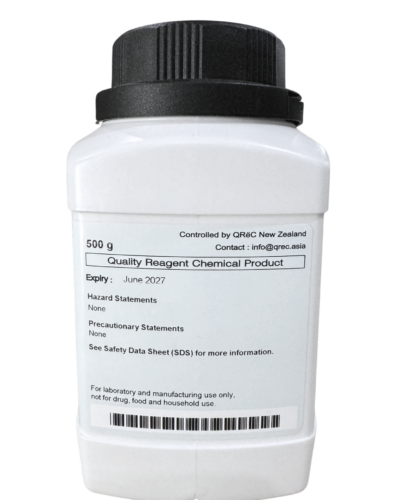
- Classification: Non-hazardous substance under standard GHS classification criteria in typical laboratory usage. Very low acute toxicity profile; particulate dust may cause mild mechanical irritation to eyes, skin, and mucosal surfaces.
- Health Risks: Direct ocular contact may cause transient mechanical irritation, conjunctival redness, and tearing. Prolonged dermal contact may cause mild superficial dryness or erythema. Inhalation of particulate dust may induce sneezing, coughing, or minor respiratory tract discomfort. Ingestion of substantial quantities may provoke gastrointestinal distress, nausea, abdominal cramping, and diarrhea.
- First Aid Measures: Flush affected eyes thoroughly with clean running water for at least 10 to 15 minutes. Wash exposed skin with soap and water. In case of dust inhalation, relocate the individual to fresh air. If accidentally swallowed in substantial amounts, rinse mouth thoroughly, drink water, and seek medical advice if discomfort persists.
Handling & Storage
- Storage: Hygroscopic and Thermally Sensitive Organic Compound. Thermal exposure causes decomposition into ammonia and biuret. Aqueous solutions gradually undergo spontaneous dissociation into cyanate and ammonium ions, where cyanate can irreversibly carbamylate protein amino groups. Must be preserved in its original, tightly closed QReC container. Store in a clean, cool, dry, and well-ventilated chemical store at controlled temperatures (below 25 to 30 degrees Celsius), sheltered from excessive humidity and direct solar radiation. Keep strictly segregated from strong oxidizing agents, strong mineral acids, and sodium hypochlorite bleaches (which can react to produce explosive nitrogen trichloride).
- Precautions: Standard laboratory PPE is mandatory, including protective gloves, safety glasses, and a protective lab coat. “Proteomic Workflow Recommendation: Prepare concentrated urea solutions freshly prior to use, or keep refrigerated; avoid heating urea solutions above 50 degrees Celsius to prevent heat-induced cyanate generation and protein carbamylation artifacts.” Re-seal container tightly immediately after dispensing.