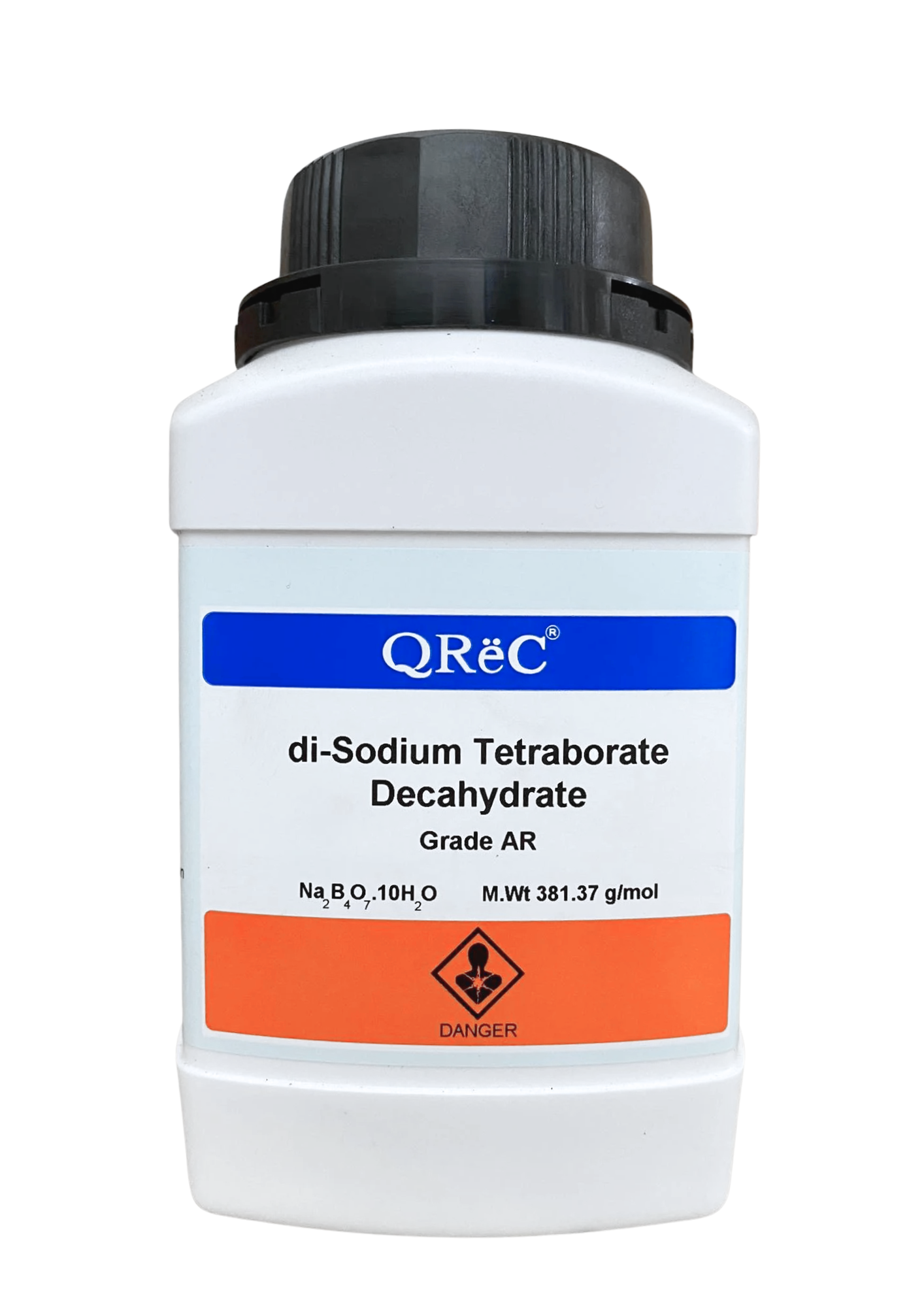
Sodium tetraborate decahydrate (Borax) or Disodium tetraborate decahydrate or Sodium borate decahydrate
Product Overview & Quality
- Product Name: Sodium tetraborate decahydrate (Borax) or Disodium tetraborate decahydrate or Sodium borate decahydrate
- Brand: QReC (Product Code: QR-D3256-1-0500
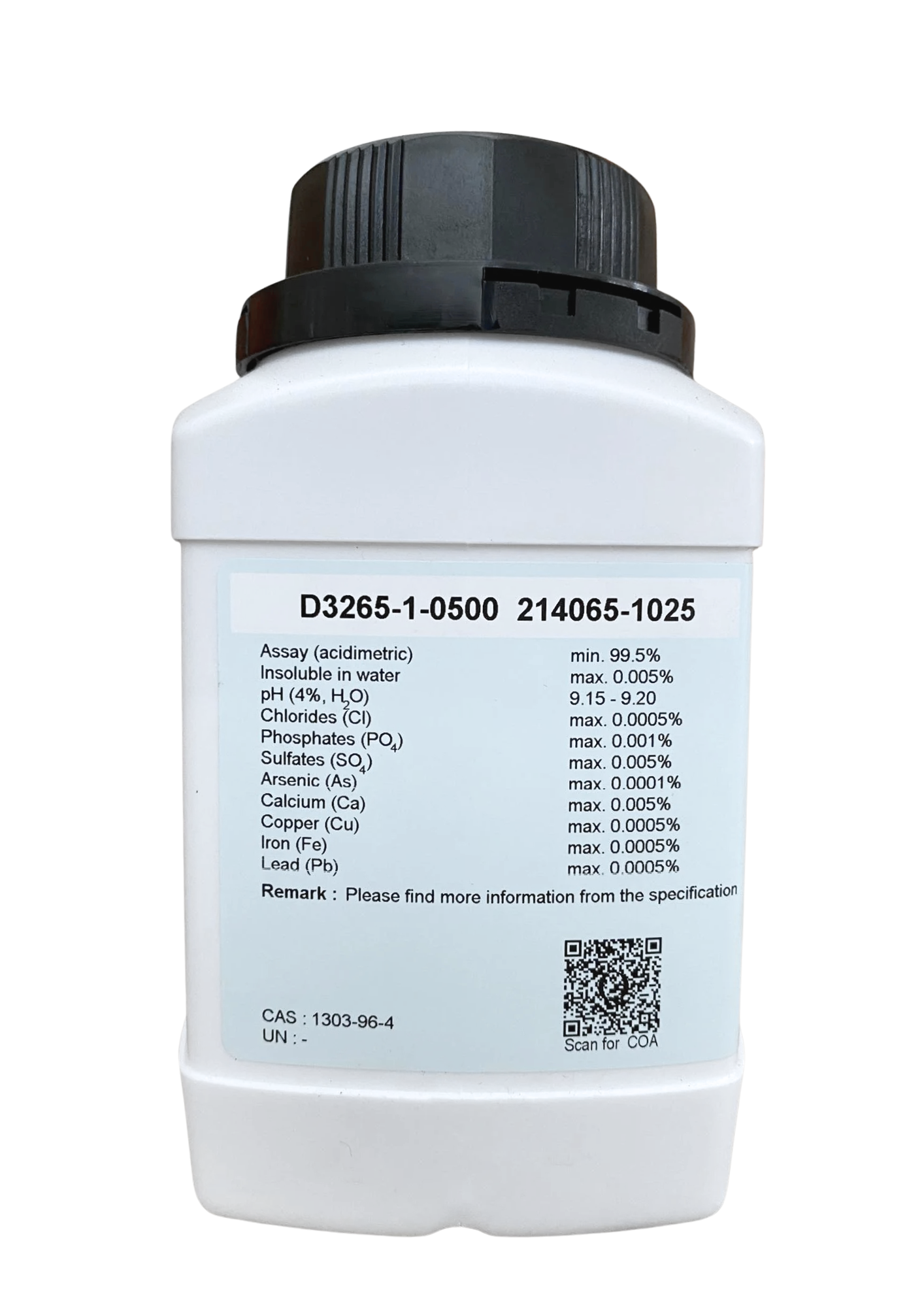
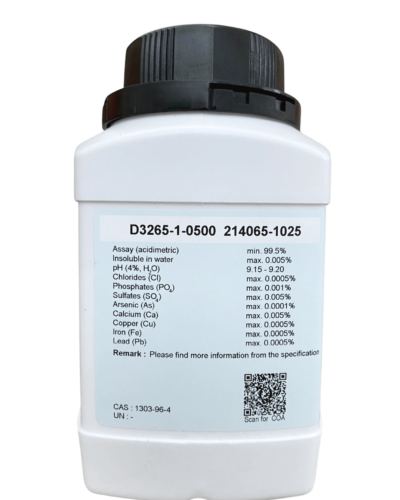
- Grade: Analytical Reagent (AR Grade) featuring a certified chemical assay of not less than 99.5 percent. Manufactured and multi-crystallized under strict QReC global laboratory specifications, maintaining stoichiometric crystalline decahydrate integrity. Rigorously tested to enforce exceptionally low ppm thresholds of water-insoluble matter, chloride, sulfate, phosphate, total nitrogen, calcium, and trace heavy metals (such as iron, lead, copper, arsenic, and zinc). Conforms to certified DNase and RNase-free specifications, ensuring biological purity in molecular biology workflows. Exhibits dry, uniform crystals that dissolve cleanly in warm water without cloudiness or particulate residues. Packaged in a heavy-duty, moisture-barrier polymer container equipped with an airtight seal to prevent efflorescence or ambient degradation.
- Physical Properties: Colorless translucent crystals, crystalline granules, or white crystalline powder. Odorless. Slightly efflorescent in dry air, slowly losing water of crystallization. Aqueous solutions exhibit mild alkalinity (pH approximately 9.1 to 9.3 for 1 to 4 percent aqueous solutions at room temperature). Non-combustible and non-corrosive solid.
- Solubility: Moderately soluble in water at room temperature (approximately 4 to 5 grams per 100 milliliters at 20 degrees Celsius; solubility escalates dramatically in hot water, exceeding 60 grams per 100 milliliters at boiling temperatures); freely soluble in glycerol; practically insoluble in ethanol.
- Key Use: Heavily utilized as the primary buffer component to prepare Sodium Borate (SB) buffer for high-voltage, high-speed agarose gel electrophoresis of DNA, offering significantly lower thermal conductivity and reduced heat generation compared to traditional TAE and TBE buffers. Universally applied as a primary standard in analytical chemistry for standardizing strong mineral acid solutions (such as hydrochloric and sulfuric acids) via volumetric neutralization titrations. Extensively employed in qualitative inorganic analysis for the Borax Bead Test to identify transition metal cations based on the characteristic spectral colors of fused metaborate glasses in flame chemistry. Widely applied in biochemical formulations to establish alkaline buffer systems (pH 8.5 to 10.0) for enzymatic assays and protein separations. Serves as an analytical fluxing agent in mineralogical fusions and as a cross-linking reagent for hydroxyl-bearing polymers (such as polyvinyl alcohol and polysaccharides) in materials science.
Safety & Hazards (Critical, Reproductive Toxicity & Serious Eye Irritation)
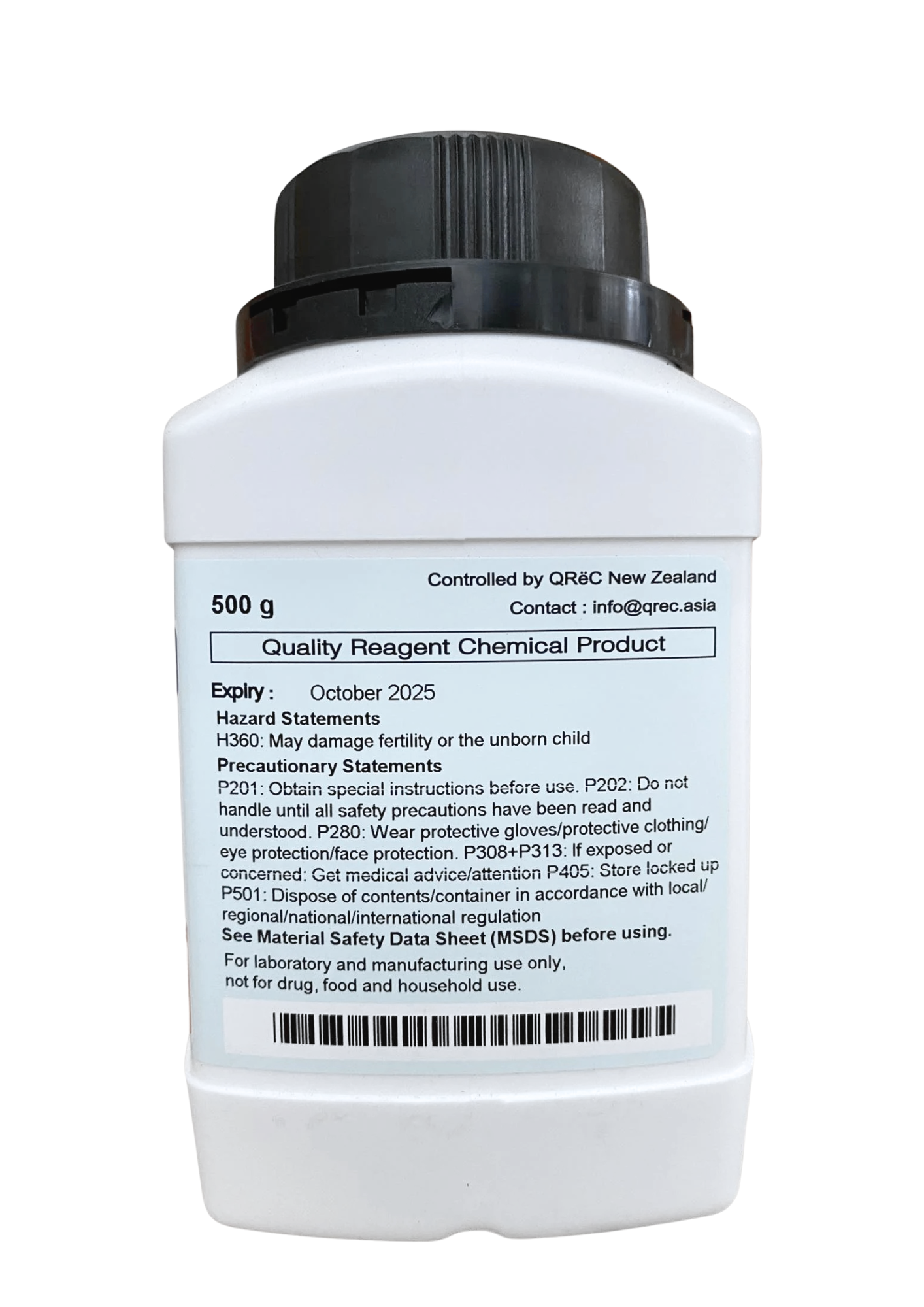
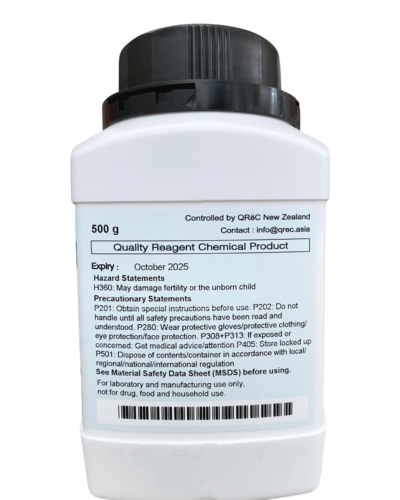
- Classification: May damage fertility or the unborn child (Reproductive Toxicity Category 1B). Causes serious eye irritation.
- Health Risks: Primary Toxicological Concern: Borate compounds are regulated reproductive toxicants; prolonged or repeated occupational exposure and systemic absorption may impair male reproductive fertility (testicular atrophy, spermatogenesis disruption) and induce developmental and fetal abnormalities during pregnancy. Direct ocular contact causes acute burning stinging, conjunctival erythema, lacrimation, and ocular irritation. Contact with intact skin exhibits low acute toxicity, but rapid systemic absorption can occur across abraded or damaged epidermal barriers. Inhalation of particulate dust irritates the mucous membranes of the respiratory tract, causing sneezing, coughing, and throat dryness. Ingestion of excessive quantities produces gastrointestinal distress, nausea, vomiting, abdominal cramping, diarrhea, headache, and potential nephrotoxic symptoms.
- First Aid Measures: Immediately flush affected eyes with an abundant stream of clean flowing water for at least 15 minutes while stripping contaminated clothing; remove contact lenses promptly. Wash exposed skin thoroughly with soap and water. In case of dust inhalation, rapidly relocate the victim to fresh air. If accidentally swallowed, rinse mouth thoroughly, administer water in moderate amounts, and seek immediate medical attention (pregnant personnel must report exposure immediately).
Handling & Storage
- Storage: Reproductive Toxicant and Bio-analytical Reagent. Efflorescent in dry environments. Must be preserved in its original, tightly closed QReC polymer container. Store in a clean, strictly dry, cool, and well-ventilated dedicated chemical store at controlled temperatures (below 25 to 30 degrees Celsius), sheltered from excessive heat, dry airflow, and direct solar radiation. Keep strictly segregated from strong mineral acids (which convert borax to boric acid and corresponding salts), heavy metal salts, and strong oxidizing agents.
- Precautions: Standard specialized PPE is mandatory, including chemical-resistant nitrile gloves, splash-proof safety goggles, a certified particulate dust respirator, and a protective lab coat. Perform weighing, powder scooping, and buffer dissolution inside a certified laboratory fume hood to eliminate airborne particulate inhalation. Pregnant or nursing personnel should avoid direct handling of this material. Re-seal container cap tightly immediately after sampling.