
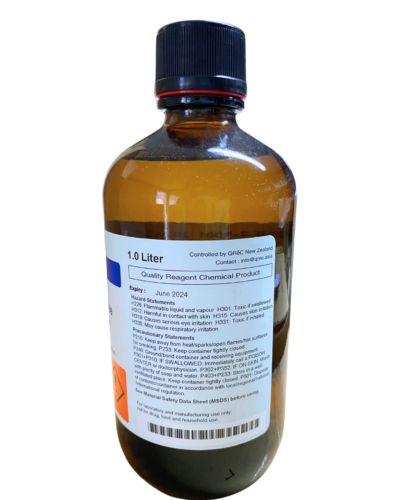
2,4-Pentanedione or Diacetylmethane or Acetylpropanone or Pentane-2,4-dione
Product Overview & Quality
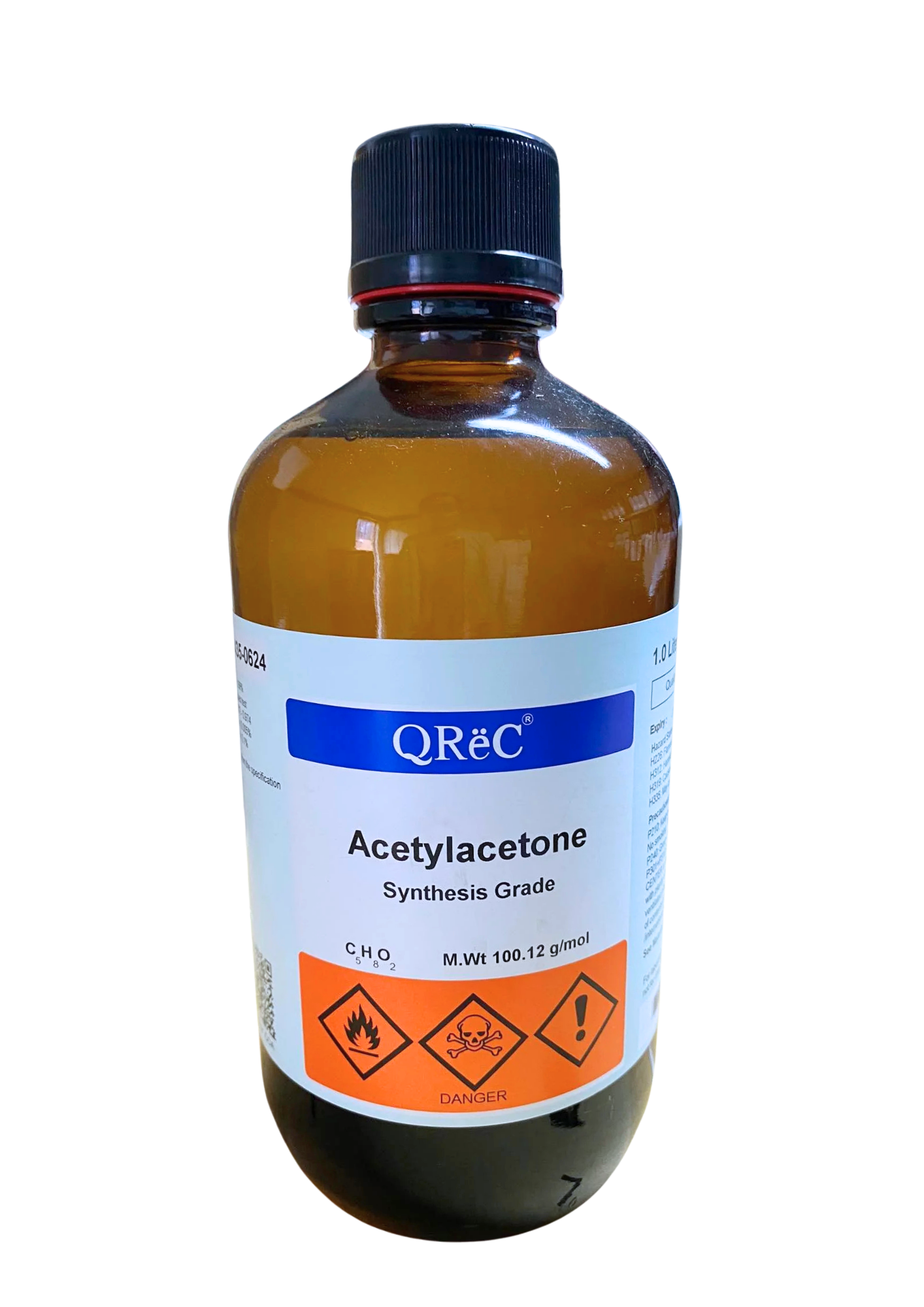
- Product Name: Acetyl acetone Synthesis or 2,4-Pentanedione or Diacetylmethane or Acetylpropanone or Pentane-2,4-dione (acacH)
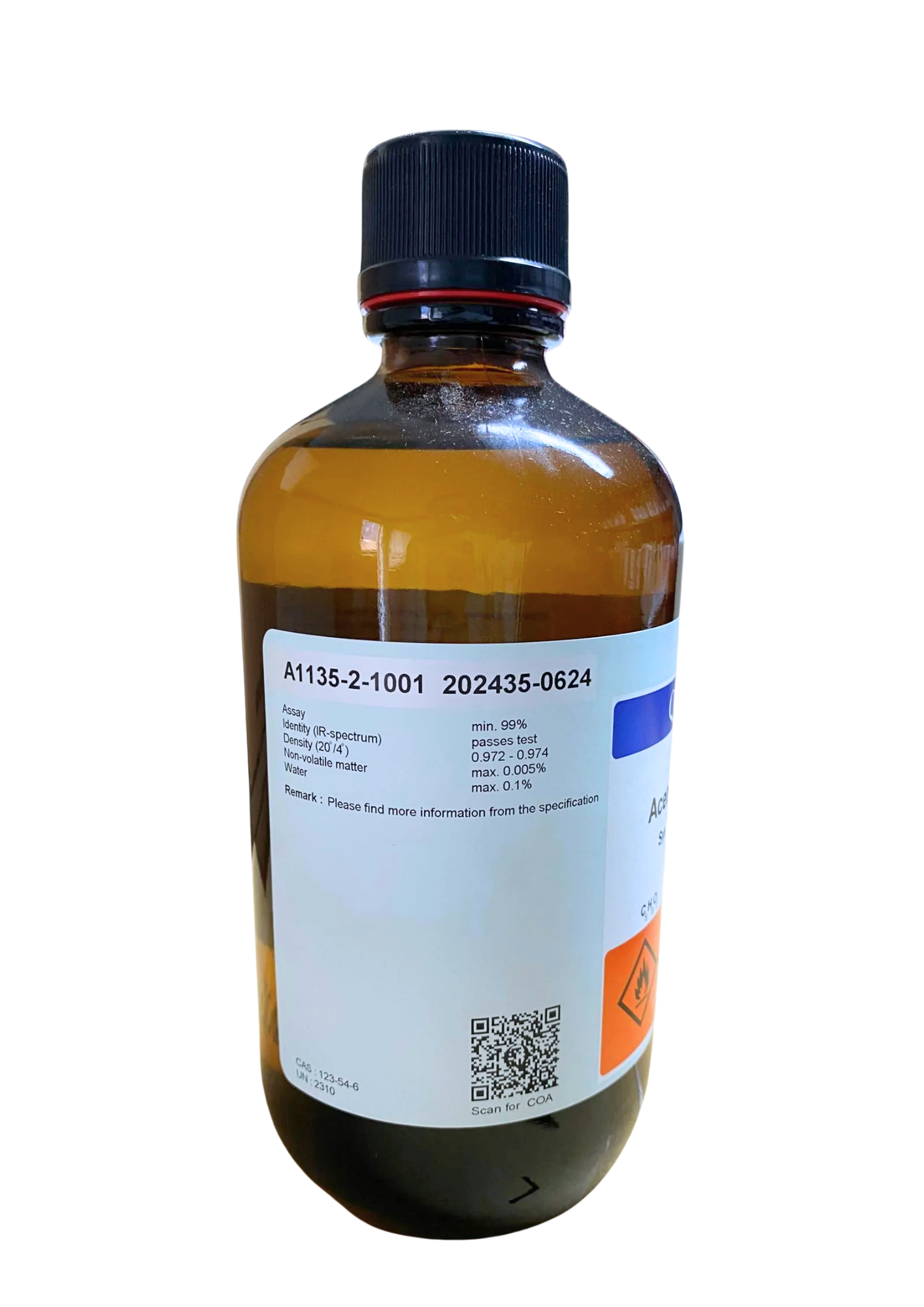
- Brand: QReC (Product Code: QR-A1135-2-1001)
- Grade: Synthesis Grade (For Synthesis) featuring a high chemical purity assay of not less than 99.0 percent in an economical 1,000 mL (1 L) package. Refined and fractionated under strict QReC global laboratory specifications to ensure consistent stoichiometry and performance in synthetic transformations. Water and moisture content are strictly restricted below 0.2 percent. Titratable acidity (calculated as acetic acid) is limited below 0.05 percent, with non-volatile evaporation residue held below 0.01 percent. Free of heavy-metal impurities and suspended particulate matter. Clear organic liquid packaged in a heavy-duty, light-protective 1-liter amber glass bottle fitted with an airtight, chemical-resistant tamper-evident safety closure.
- Physical Properties: Clear, colorless to pale straw-yellow mobile liquid. Pleasant, sweet ketone odor with a sharp, pungent acidic undertone. Boiling point is approximately 138 to 140 degrees Celsius. Closed-cup flash point is approximately 34 degrees Celsius. Classified as a flammable liquid and vapour (Flammable Liquids Category 3). Displays prominent keto-enol tautomerism in solution; the enol tautomer forms an intramolecular hydrogen bond, presenting an active coordination site for multivalent metal ions. Aqueous solutions are weakly acidic (pH approximately 6.0 at ambient conditions).
- Solubility: Moderately soluble in water (approximately 16 grams per 100 milliliters at 20 degrees Celsius); completely miscible in all proportions with virtually all common organic solvents, including ethanol, methanol, diethyl ether, chloroform, benzene, toluene, and acetone.
- Key Use: Universally utilized as a classical bidentate chelating ligand (acac) in coordination chemistry for preparing metal acetylacetonate complexes (such as acetylacetonates of iron, copper, cobalt, nickel, aluminum, zinc, zirconium, and titanium) utilized as homogeneous catalysts and material precursors. Extensively applied in advanced materials science and nanotechnology as a metal-organic precursor for Sol-Gel thin-film processing, Chemical Vapor Deposition (CVD), and Atomic Layer Deposition (ALD) of metal oxide thin films. Serves as a versatile building block and bifunctional synthetic intermediate in organic chemistry for synthesizing diverse heterocyclic frameworks, including pyrazoles, isoxazoles, pyrimidines, and pyridines in medicinal chemistry research. Heavily used as a catalyst and curing promoter in epoxy resins, polyurethane systems, and industrial drying agent formulations. Widely employed in liquid-liquid solvent extraction processes for the selective separation and concentration of transition metal cations in analytical chemistry.
Safety & Hazards (Flammable Liquid, Reproductive Hazard & Acute Toxicity)
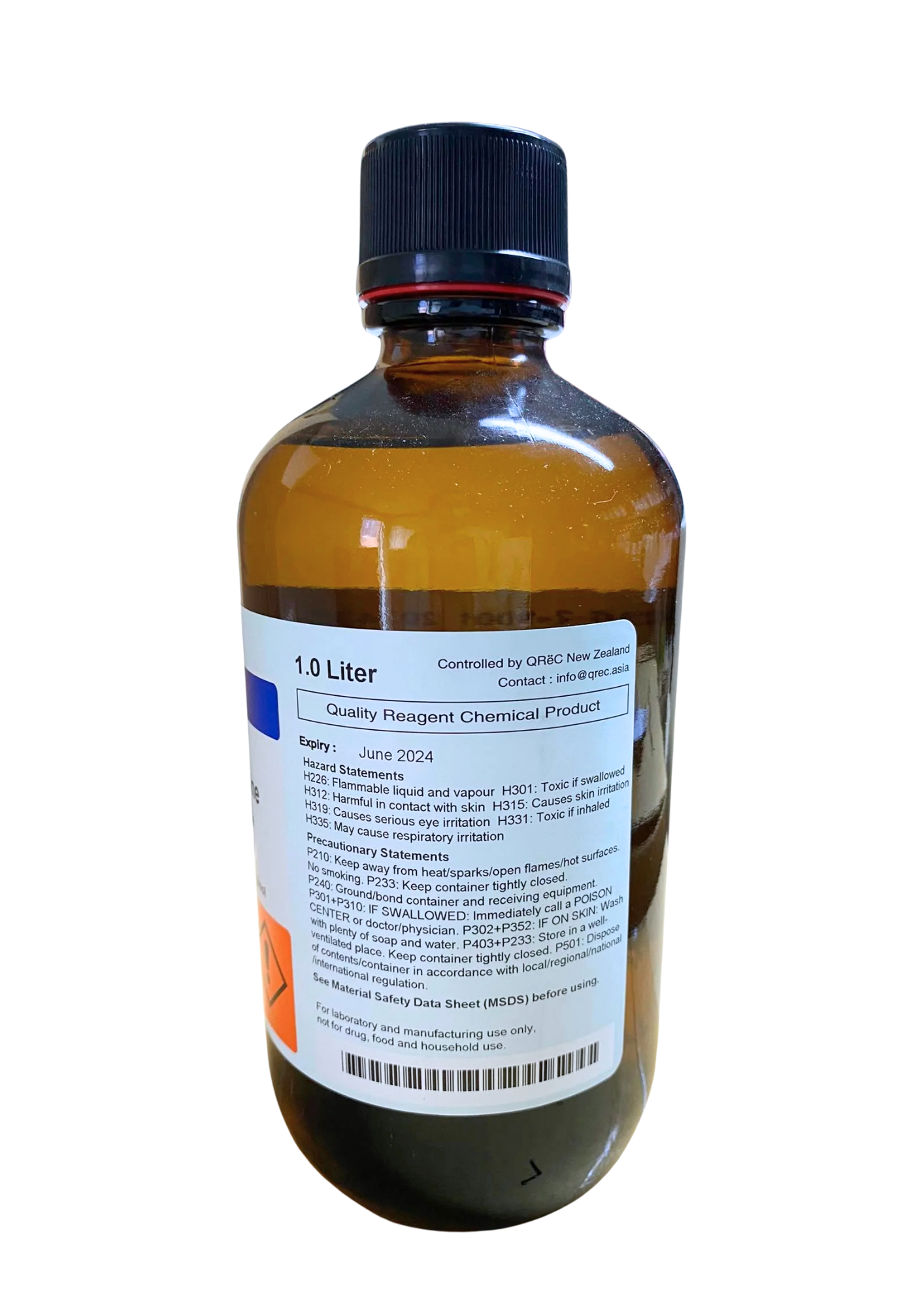
- Classification: Flammable liquid and vapour (Flammable Liquids Category 3). Harmful if swallowed (Acute Toxicity Oral Category 4). Harmful in contact with skin or if inhaled (Acute Toxicity Dermal/Inhalation Category 4). Suspected of damaging fertility or the unborn child (Reproductive Toxicity Category 2).
- Health Risks: Direct ocular contact triggers burning pain, conjunctival redness, corneal irritation, and lacrimation. Dermal contact produces localized erythema, stinging, dryness, scaling, and readily absorbs systemically through the skin. Inhalation of vapors irritates the upper respiratory tract, inducing coughing, sneezing, nasal irritation, headache, dizziness, nausea, and central nervous system depression. Critical Toxicological Hazard: Suspected human reproductive toxicant. Prolonged or repeated occupational exposure may disrupt endocrine function, impair fertility, or cause adverse developmental effects on the unborn fetus. Ingestion induces acute gastrointestinal irritation, burning oral and epigastric sensations, abdominal pain, nausea, vomiting, and systemic intoxication.
- First Aid Measures: Immediately flush affected eyes with an abundant stream of clean flowing water for at least 15 minutes while stripping contaminated clothing; remove contact lenses promptly and seek medical attention if irritation persists. Wash exposed skin thoroughly with soap and water for at least 15 minutes. In case of vapor inhalation, rapidly relocate the victim to fresh air; maintain complete rest and warmth. If accidentally swallowed, do NOT induce vomiting; thoroughly rinse mouth, administer water in moderate amounts, and seek prompt medical attention.
Handling & Storage
- Storage: Flammable Liquid, Photosensitive Compound, and Reproductive Hazard. Elevated temperatures and open flames present severe ignition risks. Must be preserved in its original, tightly closed QReC amber glass container. Store in an approved, grounded flammable liquids storage cabinet within a clean, cool, dry, and well-ventilated dedicated chemical store at controlled temperatures (preferably between 15 and 25 degrees Celsius), sheltered from direct solar radiation, open flames, hot surfaces, and sparks. Keep strictly segregated from strong oxidizing agents (such as concentrated nitric acid, peroxides, and perchlorates), strong mineral acids, strong caustic alkalis, and strong reducing agents.
- Precautions: Full specialized PPE is mandatory, including chemical-resistant gloves (butyl rubber or heavy nitrile), splash-proof safety goggles, an organic vapor respirator, and a protective lab coat. “Mandatory Handling Protocol: Dispense, transfer, and heat acetylacetone strictly inside a certified, spark-proof laboratory fume hood to eliminate vapor inhalation and reduce reproductive exposure risks. Pregnant or nursing personnel are advised to avoid handling this chemical.” Keep dry chemical or carbon dioxide fire extinguishers accessible. Never discharge acetylacetone solutions directly into municipal sewer systems; collect exclusively in dedicated flammable organic solvent hazardous waste streams.