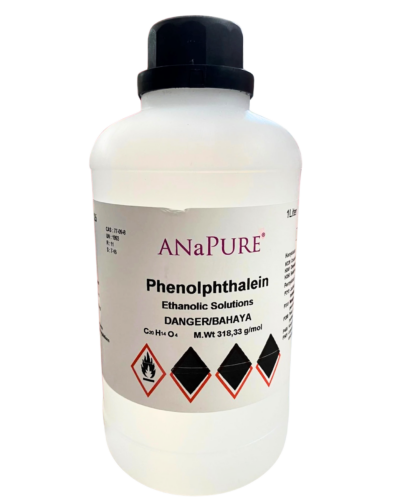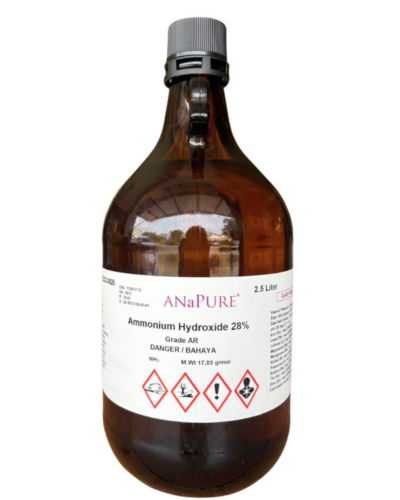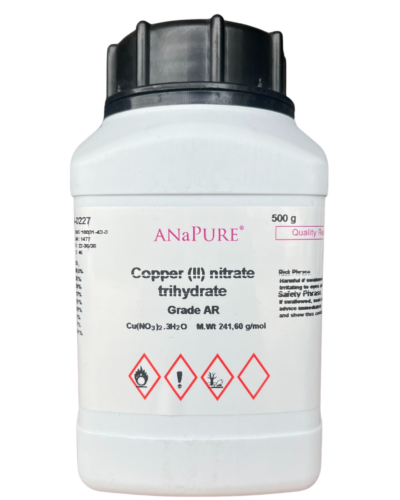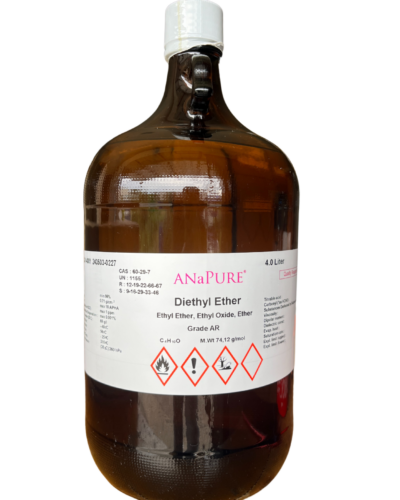
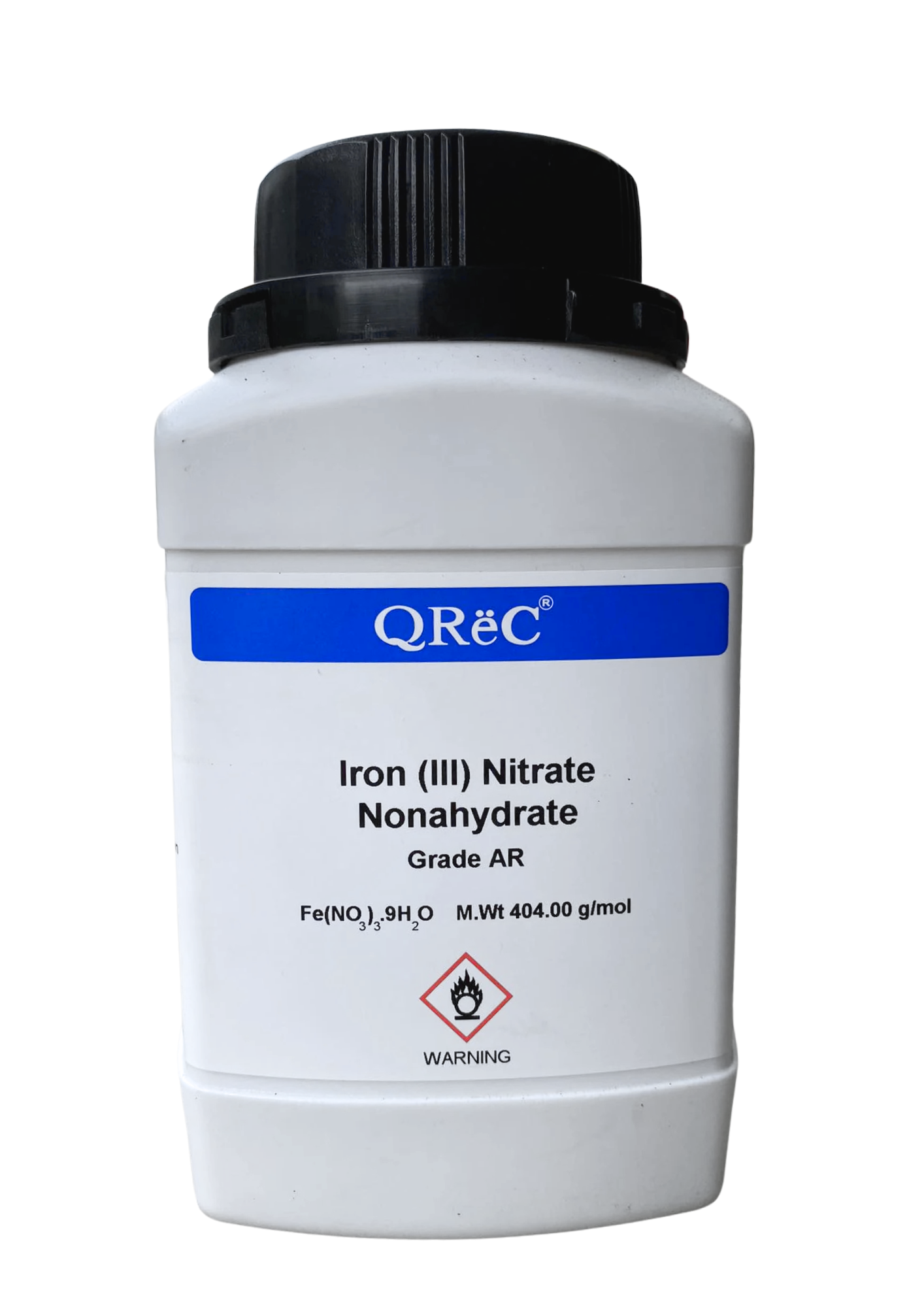
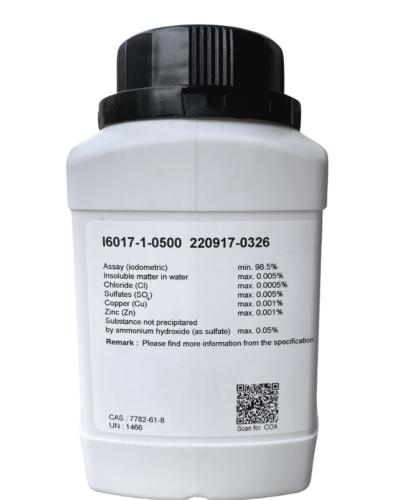

iron (III) nitrate nonahydrate 98.5% or Ferric nitrate nonahydrate or Iron trinitrate nonahydrate or Nitric acid iron (III) salt nonahydrate
Product Overview & Quality
- Product Name: iron (III) nitrate nonahydrate 98.5% or Ferric nitrate nonahydrate or Iron trinitrate nonahydrate or Nitric acid iron (III) salt nonahydrate
- Brand: QReC (Product Code: QR-I6017-1-0500)
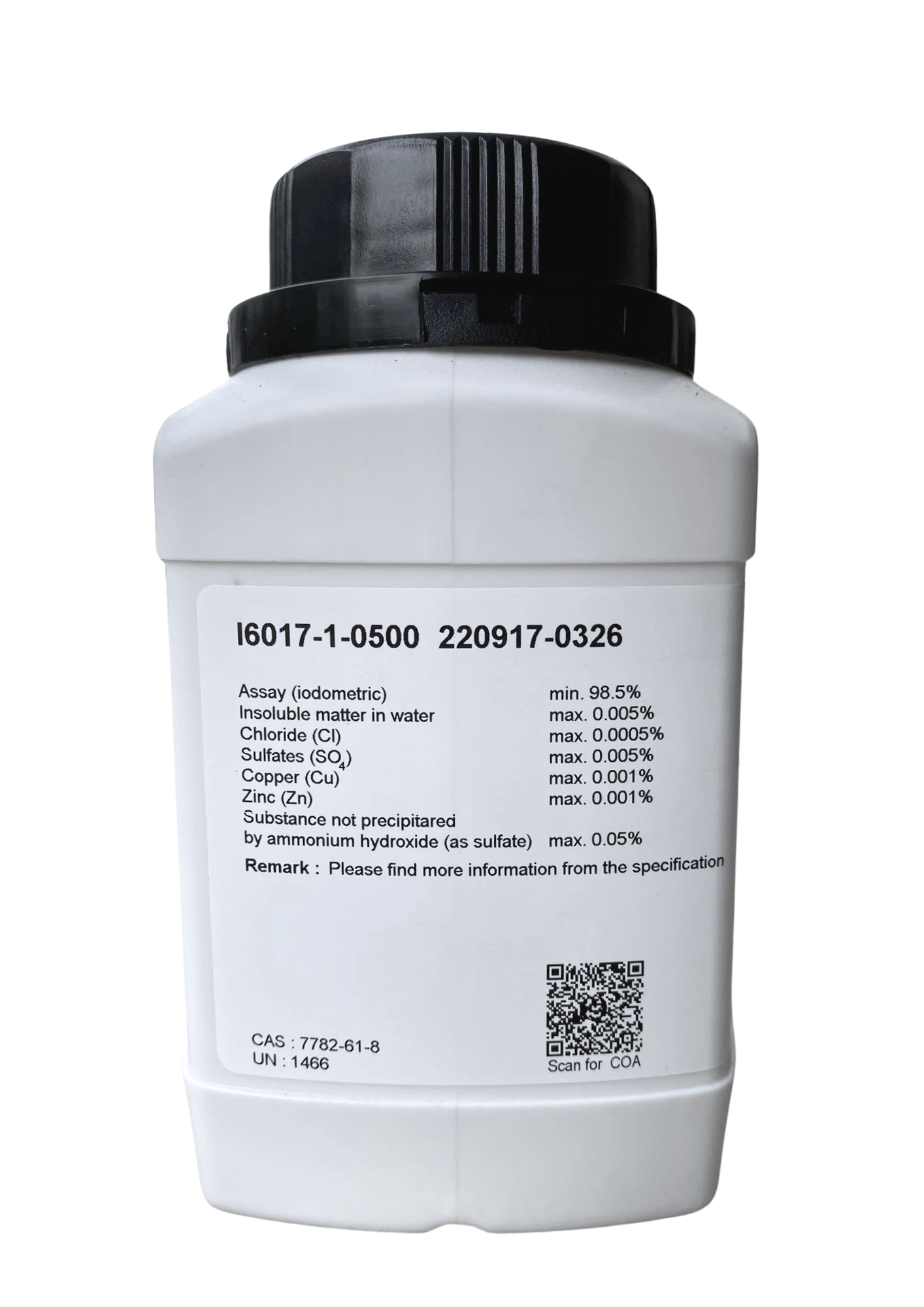
- Grade: Analytical Reagent (AR Grade) featuring a certified chemical assay of not less than 98.5 percent. Manufactured and multi-crystallized under strict QReC global laboratory specifications, maintaining stoichiometric nonahydrate hydration. Strictly tested to enforce minimal water-insoluble matter (strictly below 0.005 percent), alongside ultra-low ppm limits of chloride, sulfate, ammonium, calcium, magnesium, sodium, potassium, and extraneous heavy metals (such as lead, copper, zinc, manganese, and arsenic). Displays uniform crystalline morphology that dissolves completely in water, producing clear, precipitate-free acidic solutions. Packaged in a heavy-duty, corrosion-resistant polymer container equipped with an airtight hermetic seal to prevent deliquescence.
- Physical Properties: Pale violet, grayish-purple, or light blue-violet crystals or crystalline aggregates (often turning yellowish-brown superficially due to partial hydrolysis and moisture uptake). Faint nitric acid odor. Highly deliquescent, absorbing atmospheric moisture rapidly to form a viscous liquid. Low melting point (approximately 47 degrees Celsius, readily melting in its own water of crystallization in warm environments). Non-combustible solid itself, but functions as an inorganic oxidizing agent capable of accelerating the combustion of flammable substances. Aqueous solutions are strongly acidic (pH approximately 1.5 to 2.0 for a 10 percent aqueous solution) due to spontaneous cation hydrolysis, exhibiting mild corrosive properties toward metals.
- Solubility: Readily and highly soluble in water (approximately 130 to 140 grams per 100 milliliters at 20 degrees Celsius, yielding a yellow-brown solution due to hydrolysis); freely soluble in ethanol, methanol, and acetone; insoluble in cold concentrated nitric acid.
- Key Use: Universally utilized as a high-purity chemical precursor for synthesizing iron oxide nanoparticles (such as hematite and maghemite), magnetic materials, and advanced ferrite ceramics via sol-gel, hydrothermal, and thermal decomposition routes in materials science. Extensively applied as a versatile Lewis acid catalyst and mild oxidizing agent in synthetic organic chemistry, including selective nitration reactions and the classic catalytic synthesis of sodium amide from metallic sodium in liquid ammonia. Heavily employed as an analytical reagent and calibration reference standard for ferric iron spectrophotometric determinations and clinical chemistry testing. Functions as a mordant in biological tissue staining, paper dyeing, and textile laboratory processes. Serves as a selective chemical etching agent for copper, silver, and electronic printed circuitry in metallurgical research.
Safety & Hazards (Oxidizer, Skin & Serious Eye Irritation)
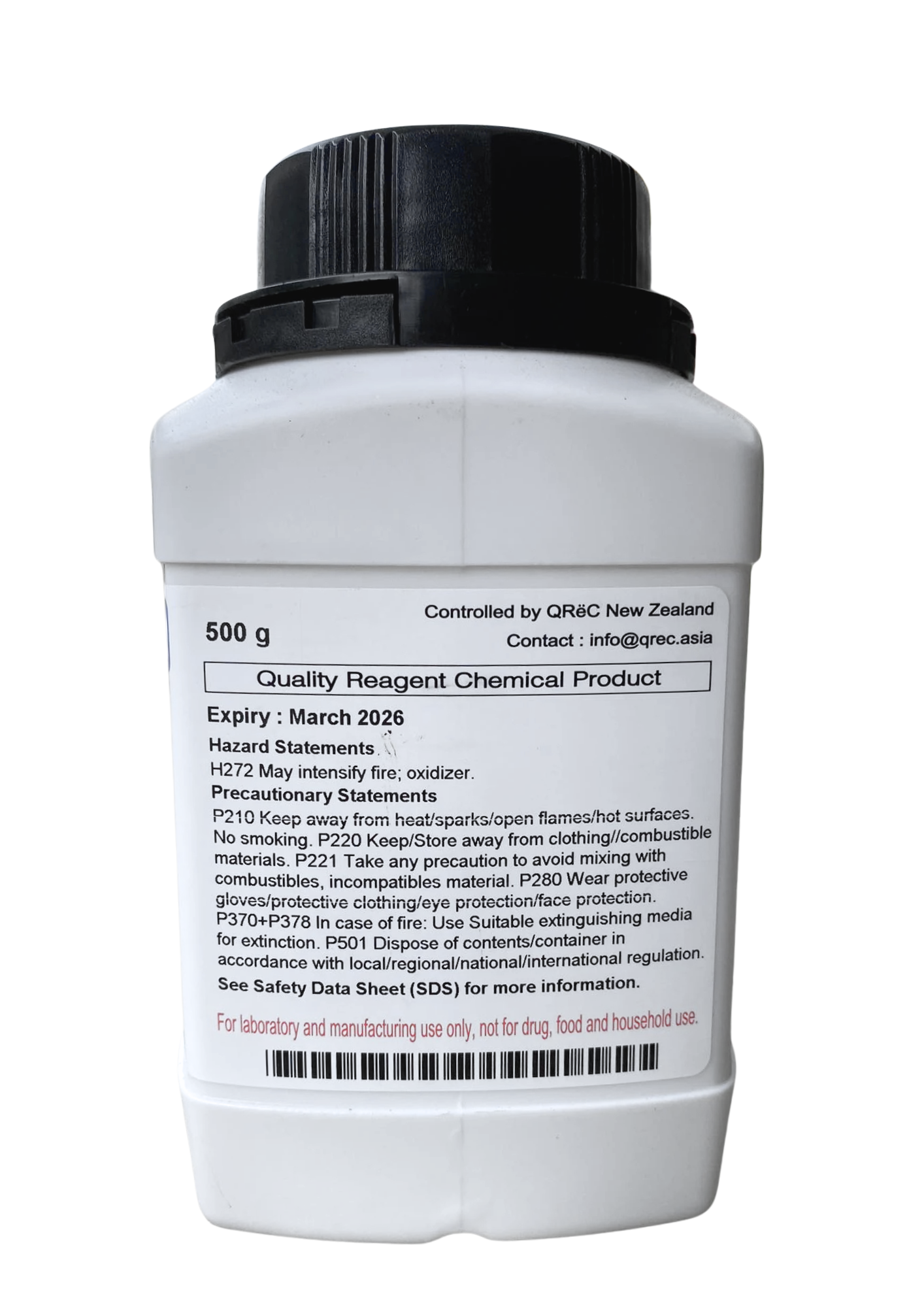
- Classification: May intensify fire; oxidizer (Oxidizing Solid Category 3). Causes skin irritation. Causes serious eye irritation. May be corrosive to metals
- Health Risks: Aqueous matrices are strongly acidic. Direct ocular contact triggers acute burning pain, conjunctival redness, corneal irritation, and lacrimation. Dermal exposure causes localized irritation, stinging, erythema, dryness, and characteristic brownish-yellow superficial epidermal staining. Inhalation of airborne dust or acidic mists irritates the mucous membranes of the respiratory tract, causing sneezing, coughing, and throat dryness. Ingestion causes acute gastrointestinal irritation, caustic burning of the oral cavity and stomach, abdominal cramping, vomiting, diarrhea, systemic iron overload toxicity, and potential methemoglobinemia from excessive nitrate absorption.
- First Aid Measures: Immediately flush affected eyes with an abundant stream of clean flowing water for at least 15 minutes while stripping contaminated clothing; remove contact lenses promptly and seek medical attention. Wash exposed skin thoroughly with soap and water. In case of dust inhalation, rapidly relocate the victim to fresh air. If accidentally swallowed, do NOT induce vomiting; thoroughly rinse mouth, administer water in moderate amounts, and seek prompt medical attention.
Handling & Storage
- Storage: Oxidizing, Highly Deliquescent, and Low-Melting Solid. Ambient temperatures exceeding 40 degrees Celsius cause the solid to liquefy within its container, and atmospheric moisture exposure induces rapid deliquescence. Must be preserved in its original, tightly closed QReC container. Store in a clean, strictly dry, cool, and well-ventilated dedicated chemical store at controlled temperatures (preferably between 15 and 20 degrees Celsius, strictly below 25 degrees Celsius), sheltered from thermal sources and direct sunlight. Keep strictly segregated from organic chemicals, flammable solvents, strong reducing agents, finely powdered metals, sulfur, phosphorus, strong bases, and combustible materials.
- Precautions: Standard laboratory PPE is mandatory, including protective nitrile gloves, splash-proof safety goggles, a certified particulate dust mask, and a protective lab coat. Re-seal container cap tightly immediately after sampling to prevent deliquescence. Minimize dust generation during weighing and dispensing.