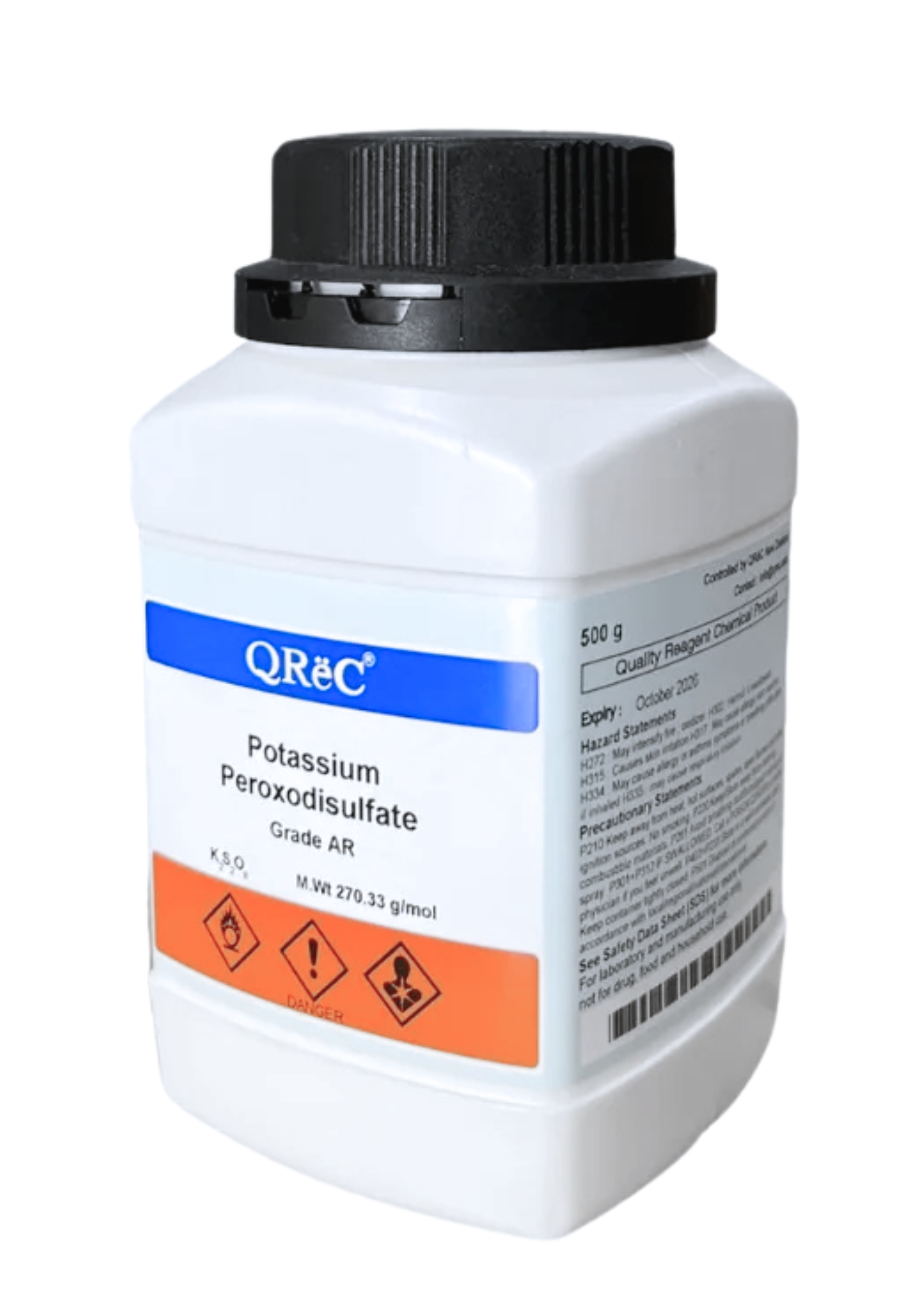
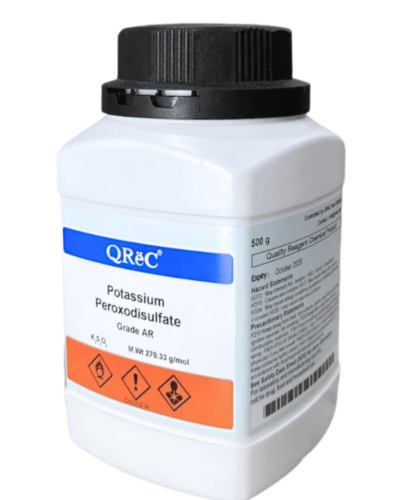
Potassium persulfate 99% or Potassium peroxydisulfate or Dipotassium peroxydisulfate
Product Overview & Quality
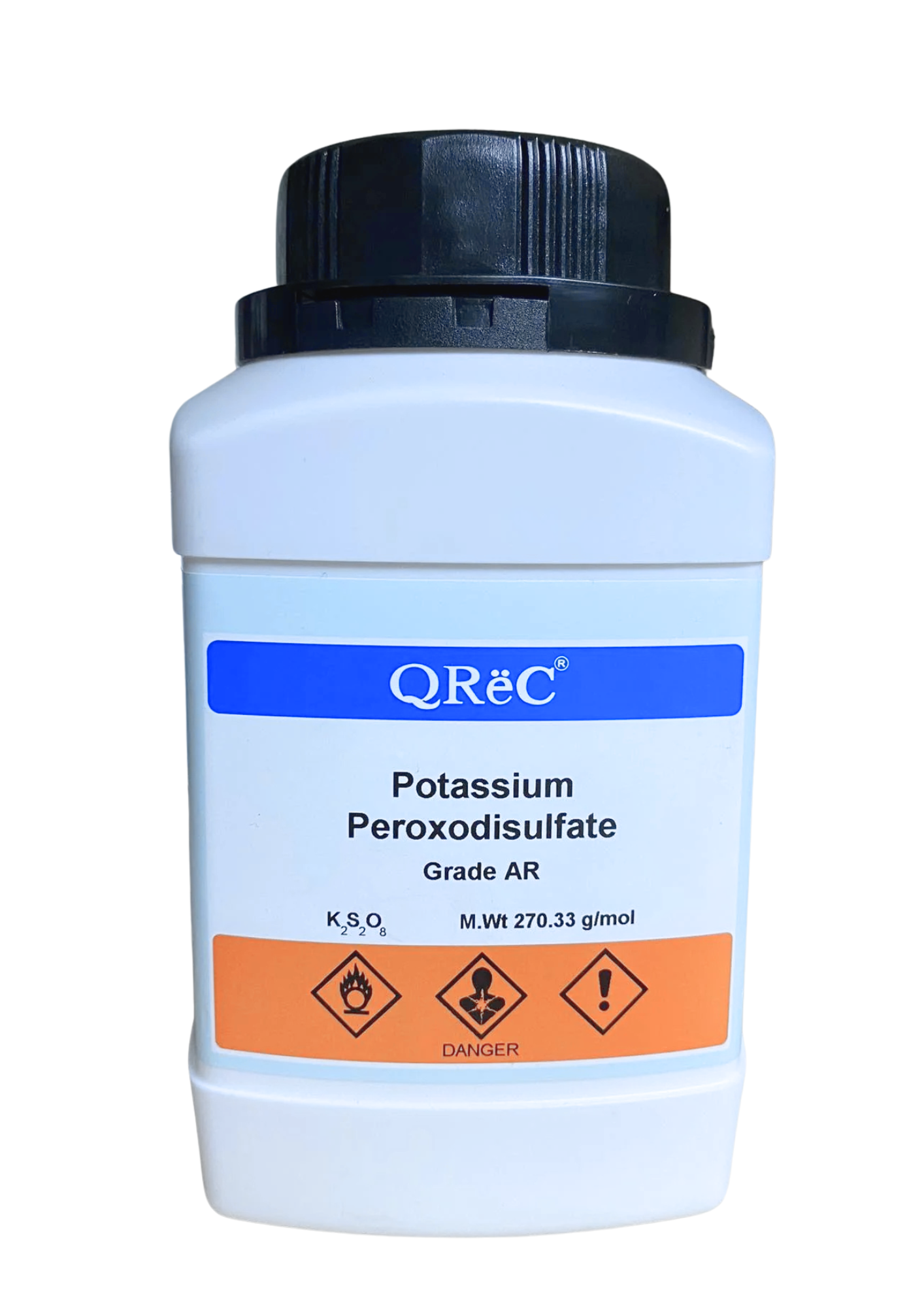
- Product Name: Potassium persulfate 99% or Potassium peroxydisulfate or Dipotassium peroxydisulfate
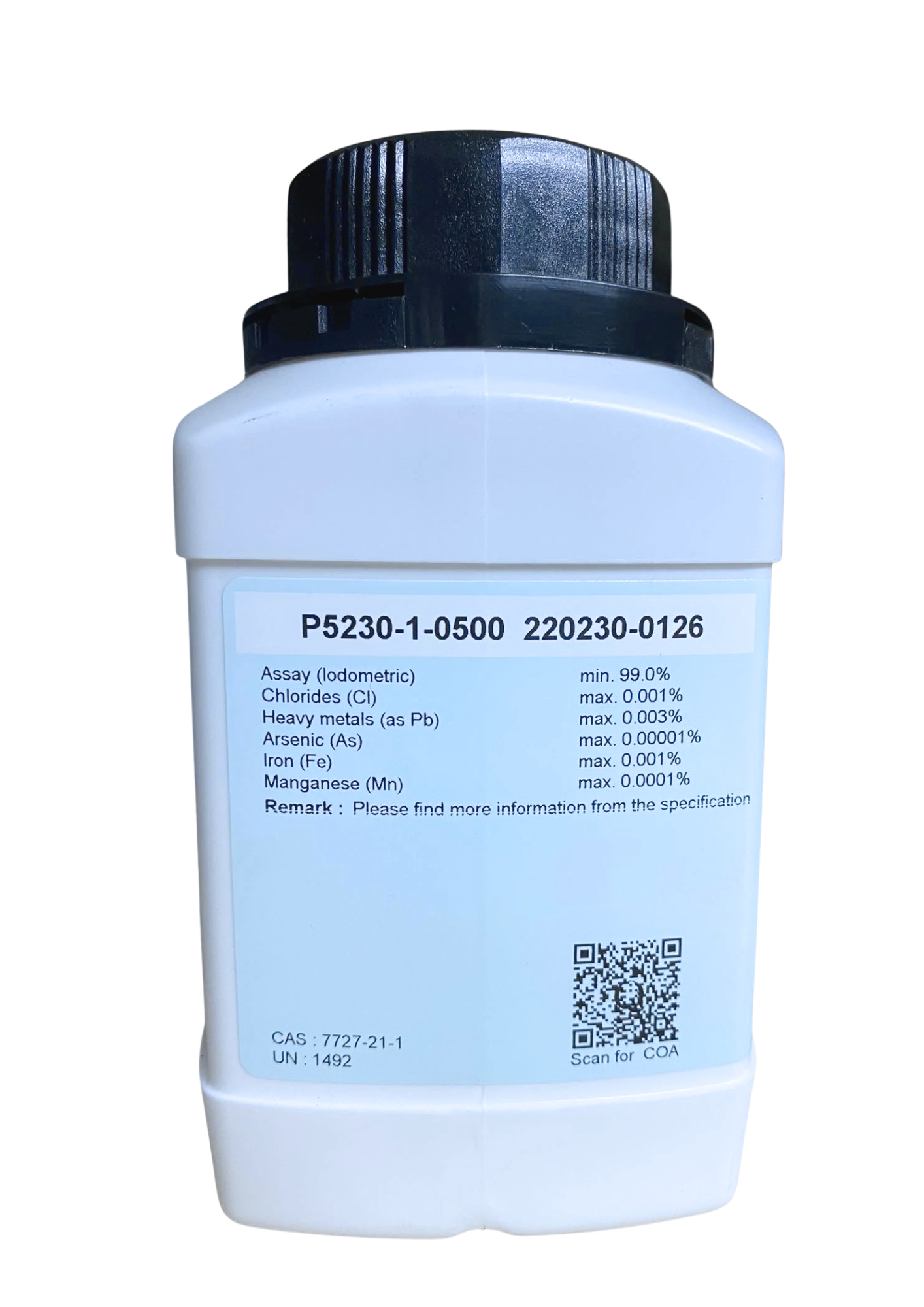
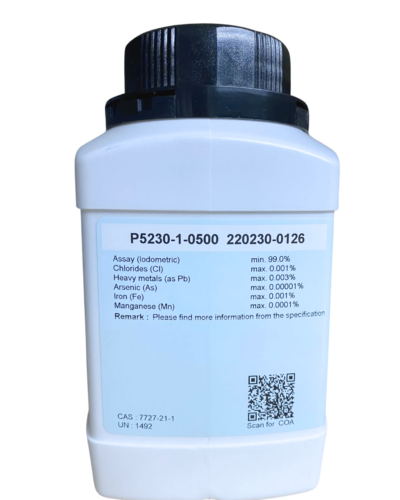
- Brand: QReC (Product Code: QR-P5230-1-0500)
- Grade: Analytical Reagent (AR Grade) featuring a certified chemical assay of not less than 99.0 percent. Manufactured and multi-crystallized under strict QReC global laboratory specifications to ensure consistent active oxygen levels. Rigorously tested to enforce minimal ppm limits of chloride, total nitrogen, water-insoluble matter, and trace heavy metals (such as iron, lead, copper, zinc, manganese, and arsenic). Displays dry, uniform crystalline powder that dissolves cleanly in water, producing clear acidic solutions free of insoluble particulates. Packaged in a heavy-duty, corrosion-resistant polymer container equipped with a hermetic seal to exclude atmospheric moisture and preserve oxidation potency.
- Physical Properties: Colorless crystals or white crystalline powder. Odorless. Thermodynamically stable when completely dry at room temperature, but slowly hydrolyzes in moist air or upon heating. Non-combustible solid itself, but acts as a powerful inorganic oxidizing agent capable of intensifying combustion or reacting violently with flammable materials. Aqueous solutions are distinctly acidic and corrosive due to slow decomposition into sulfuric acid and oxygen.
- Solubility: Moderately soluble in water at room temperature (approximately 5 grams per 100 milliliters at 20 degrees Celsius; solubility increases in warm water, but heating above 60 to 70 degrees Celsius triggers rapid exothermic decomposition); aqueous solutions decompose progressively at room temperature; practically insoluble in ethanol.
- Key Use: Universally utilized as a thermal water-soluble free radical initiator (KPS initiator) in polymer chemistry and emulsion polymerization for manufacturing synthetic rubbers, styrene-butadiene lattices, polyacrylates, and specialty coatings. Extensively applied as an advanced wet chemical digestion reagent for simultaneous persulfate digestion of Total Nitrogen (TN) and Total Phosphorus (TP) in environmental water and wastewater analysis. Serves as a selective oxidizing agent in synthetic organic chemistry, notably in the Elbs Persulfate Oxidation for introducing phenolic hydroxyl groups. Widely employed as a micro-etching and surface cleaning agent for copper printed circuit boards (PCBs) in electronics research. Routinely utilized in Advanced Oxidation Processes (AOPs) generating sulfate radicals for degrading recalcitrant micropollutants.
Safety & Hazards (Critical, Strong Oxidizer, Respiratory & Skin Sensitizer)
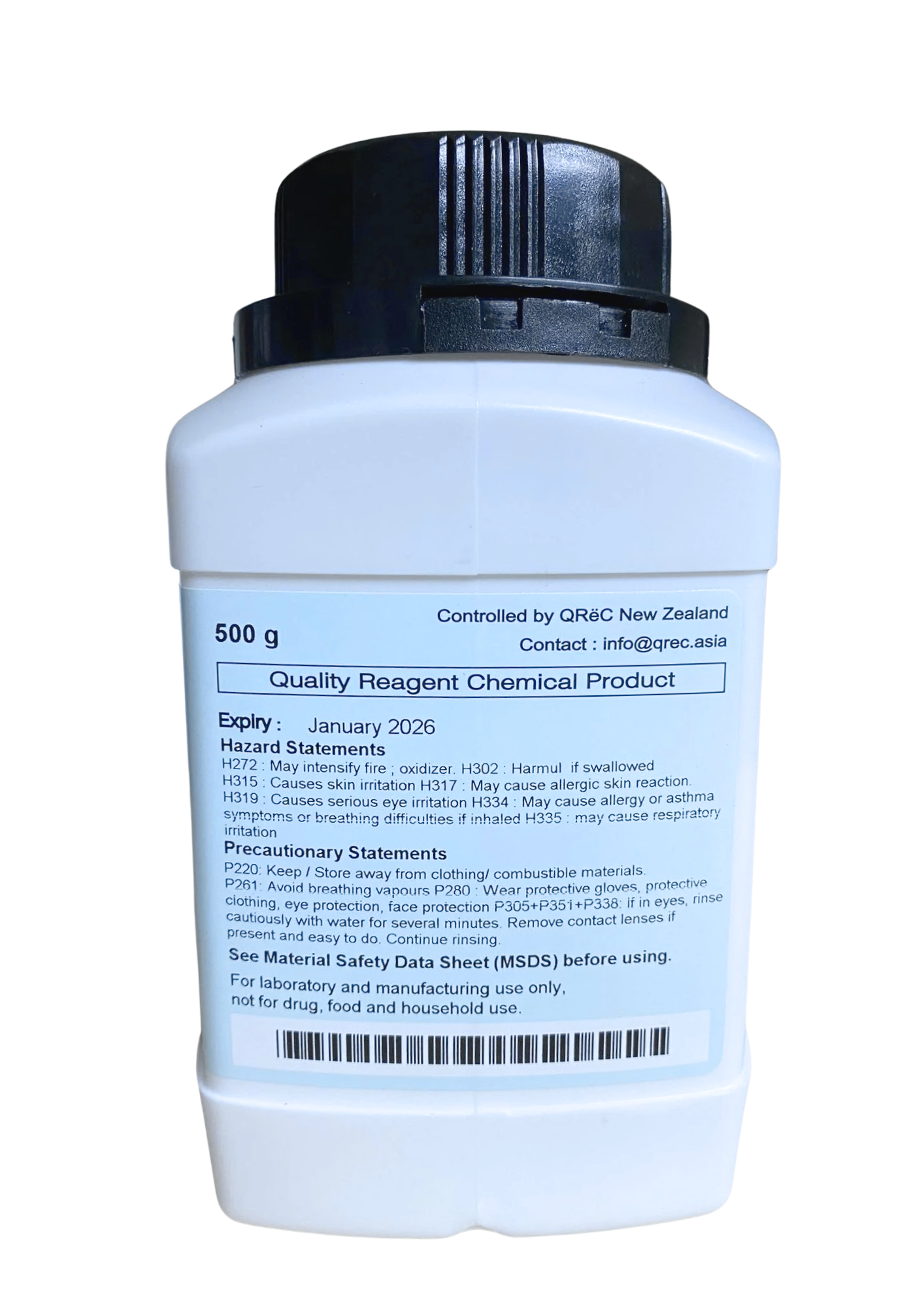
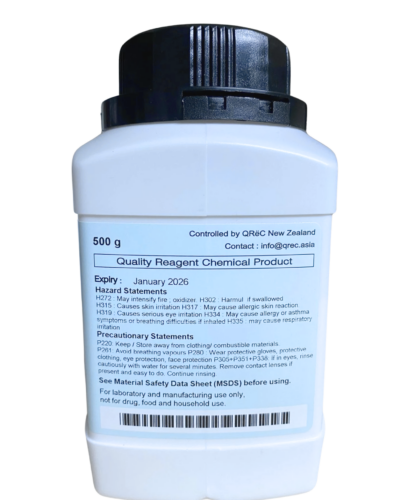
- Classification: May intensify fire; oxidizer (Oxidizing Solid Category 3). Harmful if swallowed. Causes skin irritation. May cause an allergic skin reaction. Causes serious eye irritation. May cause allergy or asthma symptoms or breathing difficulties if inhaled. May cause respiratory irritation.
- Health Risks: Direct ocular contact triggers intense burning pain, conjunctival redness, corneal irritation, and lacrimation. Dermal exposure causes localized irritation, erythema, dryness, and can induce severe allergic contact sensitization. Inhalation of particulate dust aggressively irritates the upper respiratory tract, inducing coughing, sneezing, dyspnea, and may provoke severe occupational allergic asthma attacks in sensitized individuals. Ingestion causes acute irritation of the oral cavity and gastrointestinal tract, accompanied by epigastric burning pain, nausea, vomiting, abdominal cramping, and diarrhea.
- First Aid Measures: Immediately flush affected eyes with an abundant stream of clean flowing water for at least 15 minutes while stripping contaminated garments; remove contact lenses promptly. Wash exposed skin thoroughly with soap and water. In case of dust inhalation, rapidly relocate the victim to fresh air and maintain complete rest; seek immediate medical attention if breathing is laboured. If accidentally swallowed, rinse mouth thoroughly, administer water in moderate amounts, and seek prompt medical attention.
Handling & Storage
- Storage: Strong Oxidizing Agent and Moisture/Thermal Sensitive Solid. Ambient moisture and elevated temperatures catalyze progressive decomposition, generating oxygen and acidic sulfur fumes. Must be preserved in its original, tightly closed QReC container. Store in a clean, strictly dry, cool, and well-ventilated dedicated chemical store at controlled temperatures (below 25 degrees Celsius), sheltered from humidity, thermal sources, and direct sunlight. Keep strictly segregated from organic chemicals, flammable solvents, strong reducing agents, finely powdered metals, strong bases, strong mineral acids, and combustible materials.
- Precautions: Comprehensive specialized PPE is mandatory, including protective nitrile gloves, splash-proof safety goggles, a certified particulate dust respirator (HEPA / N95 or higher), and a protective lab coat. Perform weighing and buffer preparation inside a certified laboratory fume hood to avoid airborne particulate inhalation and sensitization. Re-seal container cap tightly immediately after sampling. Never discharge concentrated persulfate solutions directly into municipal sewer lines.