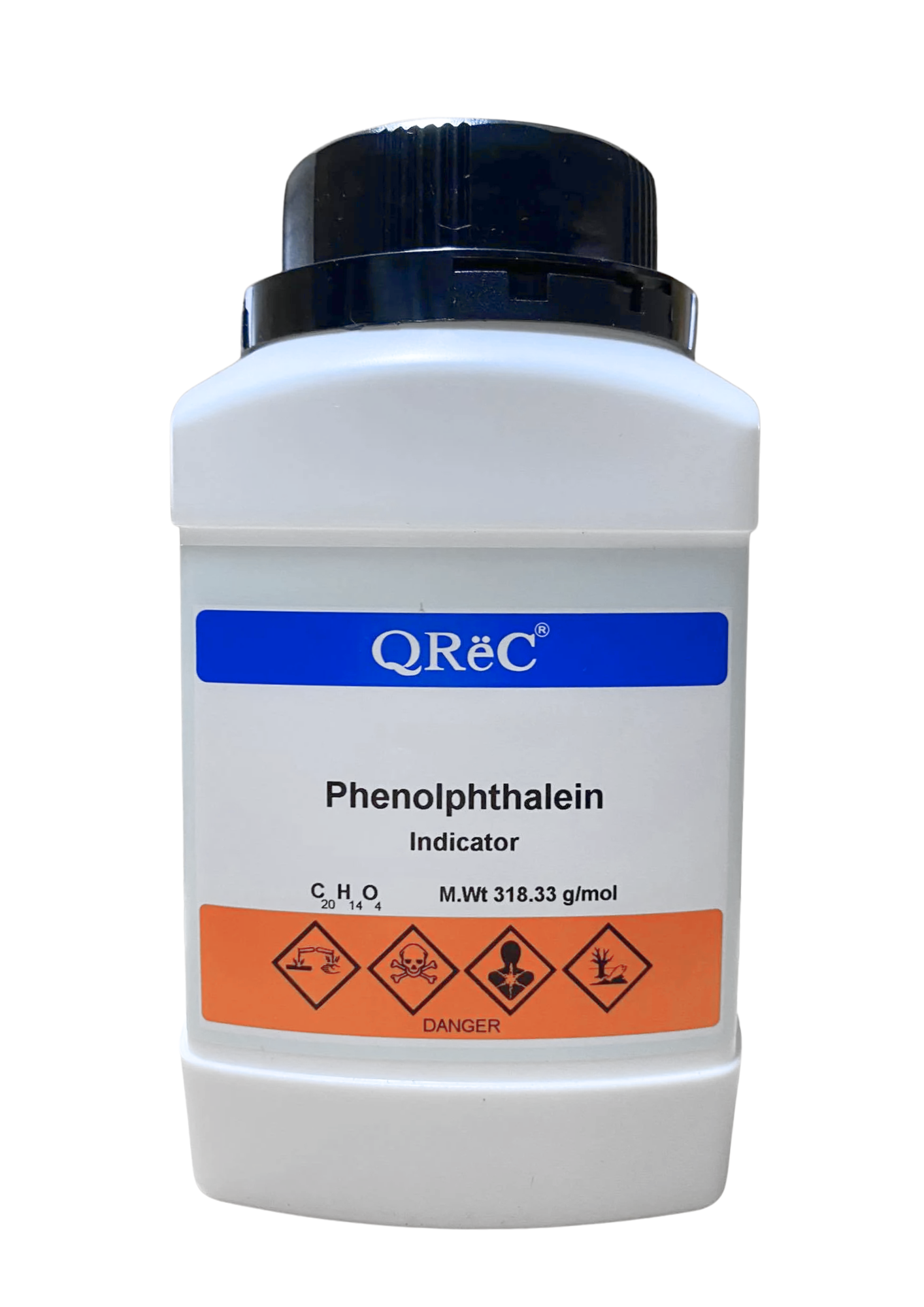
3,3-Bis(4-hydroxyphenyl)-1-isobenzofuranone or Dihydroxyphthalophenone or Phenolphthalein indicator
Product Overview & Quality
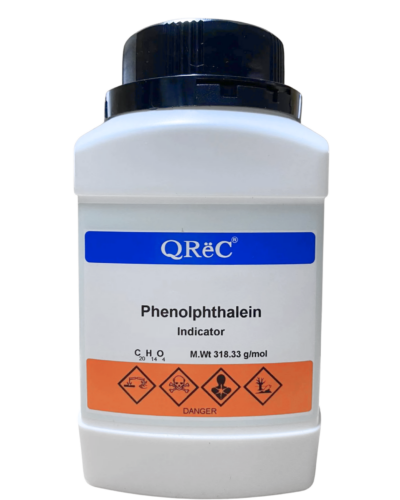
- Product Name: Phenolphthalein indicator powder 500 g or 3,3-Bis(4-hydroxyphenyl)isobenzofuran-1(3H)-one or Dihydroxyphthalophenone
- Brand: QReC (Product Code: QR-P3017-1-0500)
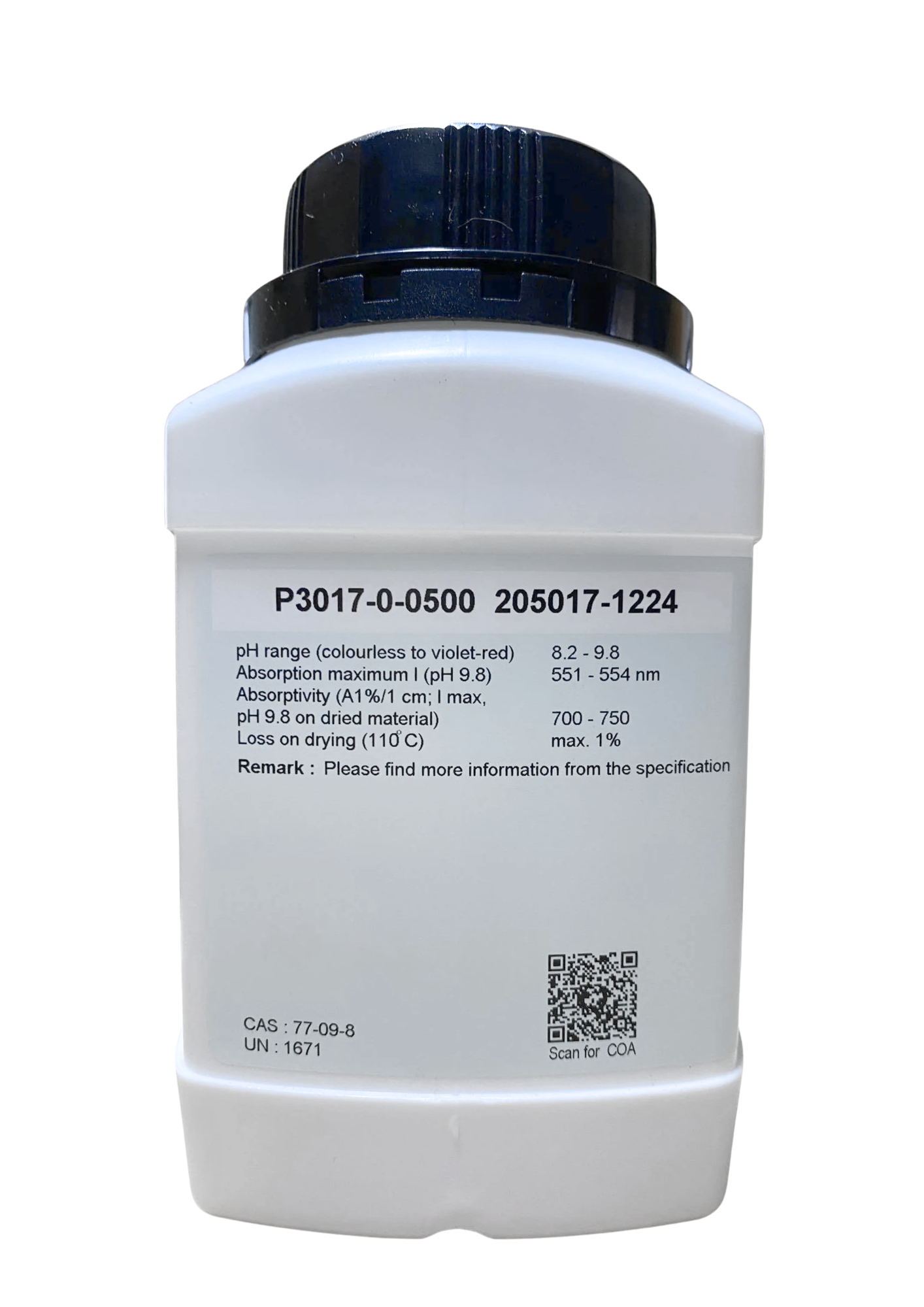
- Grade: Analytical Reagent and Indicator Grade (AR Grade) in an economical 500 g bulk laboratory package. Synthesized, crystallized, and purified under strict QReC global laboratory specifications. Rigorously validated for visual transition sensitivity and endpoint clarity in acid-base neutralization systems. Exhibits a sharply defined color change interval from pH 8.2 (colorless) to pH 10.0 (intense magenta/fuchsia pink). Features a narrow melting point range (258 to 263 degrees Celsius). Loss on drying is strictly limited below 1.0 percent, with sulfated ash (residue on ignition) controlled below 0.1 percent. Dissolves cleanly in ethanol to yield transparent, particulate-free solutions suitable for volumetric indicator preparation. Packaged in a chemical-resistant, light-protective amber container fitted with a hermetic moisture-barrier seal.
- Physical Properties: Fine white to off-white or pale yellowish-white crystalline powder. Odorless. Thermodynamically stable in air under ambient conditions; non-volatile solid with combustible properties under intense thermal exposure. In acidic to neutral aqueous conditions, the molecule remains in its colorless lactone form; in alkaline media, deprotonation triggers opening of the lactone ring to form a conjugated quinoid dianion exhibiting an intense magenta-pink coloration, which fades to colorless in extremely strong caustic alkalis (pH above 13).
- Solubility: Practically insoluble in water at room temperature (approximately 0.04 grams per 100 milliliters); freely and highly soluble in ethanol (95 percent), methanol, acetone, and diethyl ether; dissolves readily in dilute aqueous alkali hydroxide solutions.
- Key Use: Universally utilized for preparing standardized pH indicator solutions (typically 0.1 to 1.0 percent w/v in ethanol) for volumetric acid-base neutralization titrations, specifically ideal for strong acid-strong base and weak acid-strong base systems (such as quantifying acetic acid in vinegar, titratable acidity in citrus juices, wine, and milk). Heavily applied in analyzing Acid Value and free fatty acid (FFA) parameters across edible oils, tallow, biodiesel, and petroleum lubricants according to ASTM and AOCS compendial methods. Extensively employed as a diagnostic spray reagent for assessing concrete carbonation depth in civil engineering, identifying carbon dioxide-induced loss of alkaline passivation around reinforcing steel. Serves as the active chromogenic substrate in the forensic Kastle-Meyer presumptive test for identifying latent blood traces via peroxidase-like catalytic activity. Widely used as a reference indicator in chemical education and analytical method validation.
Safety & Hazards (Carcinogen, Mutagen & Reproductive Hazard)
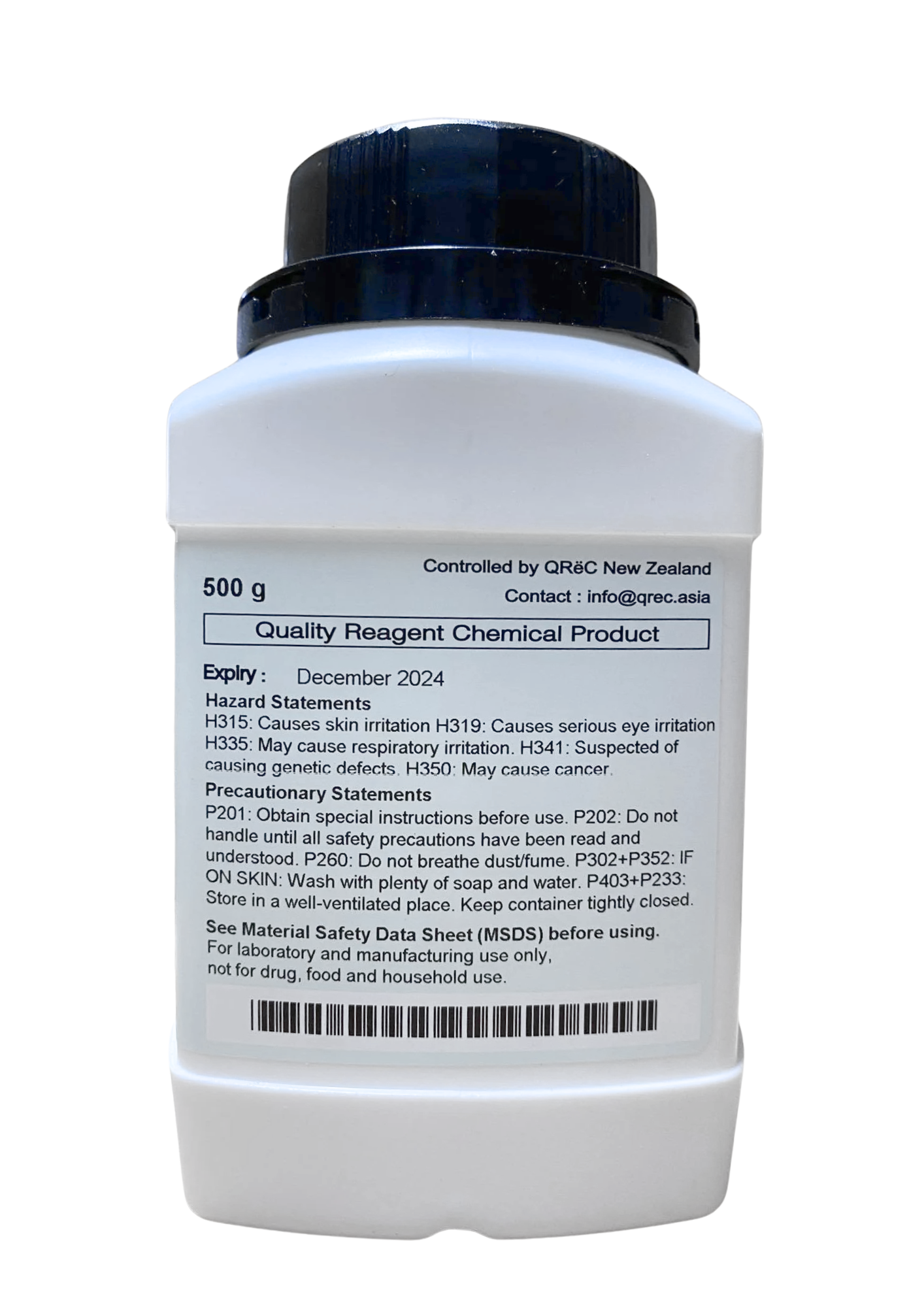
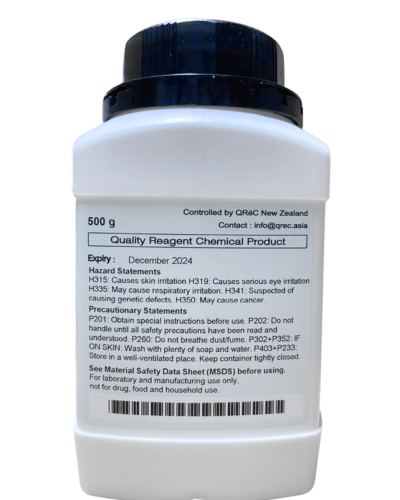
- Classification: May cause cancer (Carcinogenicity Category 1B). May cause genetic defects (Germ Cell Mutagenicity Category 2). Suspected of damaging fertility (Reproductive Toxicity Category 2).
- Health Risks: Direct ocular contact causes transient mechanical irritation, conjunctival stinging, and lacrimation. Dermal contact may produce mild erythema, dryness, or localized contact irritation. Inhalation of particulate dust irritates the mucous membranes of the respiratory tract, inducing coughing, sneezing, and throat irritation. Critical Chronic Toxicological Hazard: Classified as a known or suspected human carcinogen and potential germ-cell mutagen; chronic occupational inhalation or systemic ingestion presents significant oncogenic risks. Formerly utilized as an oral stimulant laxative, but banned from pharmaceutical usage due to carcinogenic potential. Ingestion of substantial quantities causes acute gastrointestinal irritation, abdominal cramping, nausea, vomiting, profuse watery diarrhea, dehydration, and hypotension.
- First Aid Measures: Immediately flush affected eyes with an abundant stream of clean flowing water for at least 15 minutes while stripping contaminated clothing; remove contact lenses promptly and seek medical attention if irritation persists. Wash exposed skin thoroughly with soap and water. In case of dust inhalation, relocate the individual to fresh air. If accidentally swallowed, do NOT induce vomiting; thoroughly rinse mouth, administer moderate quantities of fresh water to dilute, and seek prompt medical attention.
Handling & Storage
- Storage: Regulated Carcinogen Hazard and Photosensitive Indicator. Must be preserved in its original, tightly closed QReC light-resistant container within a dedicated, locked hazardous chemical storage cabinet. Store in a clean, strictly dry, cool, and well-ventilated dedicated chemical store at controlled temperatures (below 25 to 30 degrees Celsius), sheltered from humidity and direct sunlight. Keep strictly segregated from strong oxidizing agents (such as permanganates, peroxides, and chlorates) and concentrated alkalis.
- Precautions: Full protective PPE is mandatory, including protective nitrile gloves, splash-proof safety goggles, a certified particulate dust respirator (HEPA rated), and a protective lab coat. “Mandatory Handling Protocol: Because of this larger 500 g bulk package, dispense, weigh, and dissolve phenolphthalein powder exclusively inside a certified laboratory fume hood to avoid airborne particulate dispersal and minimize occupational inhalation of carcinogenic dust.” Re-seal container cap tightly immediately after sampling. Never discharge phenolphthalein residues directly into municipal sewer systems; collect in dedicated hazardous organic waste streams.