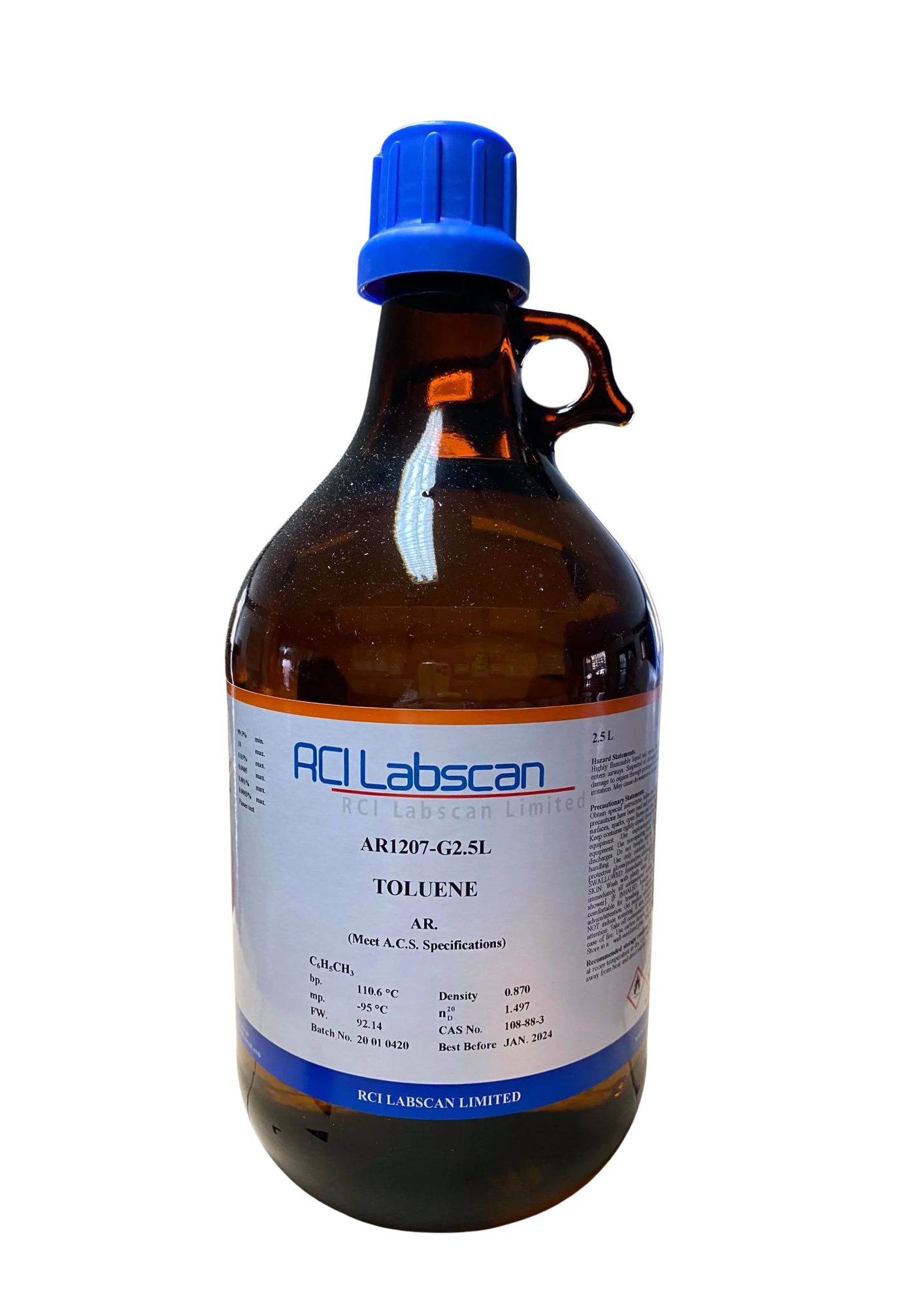
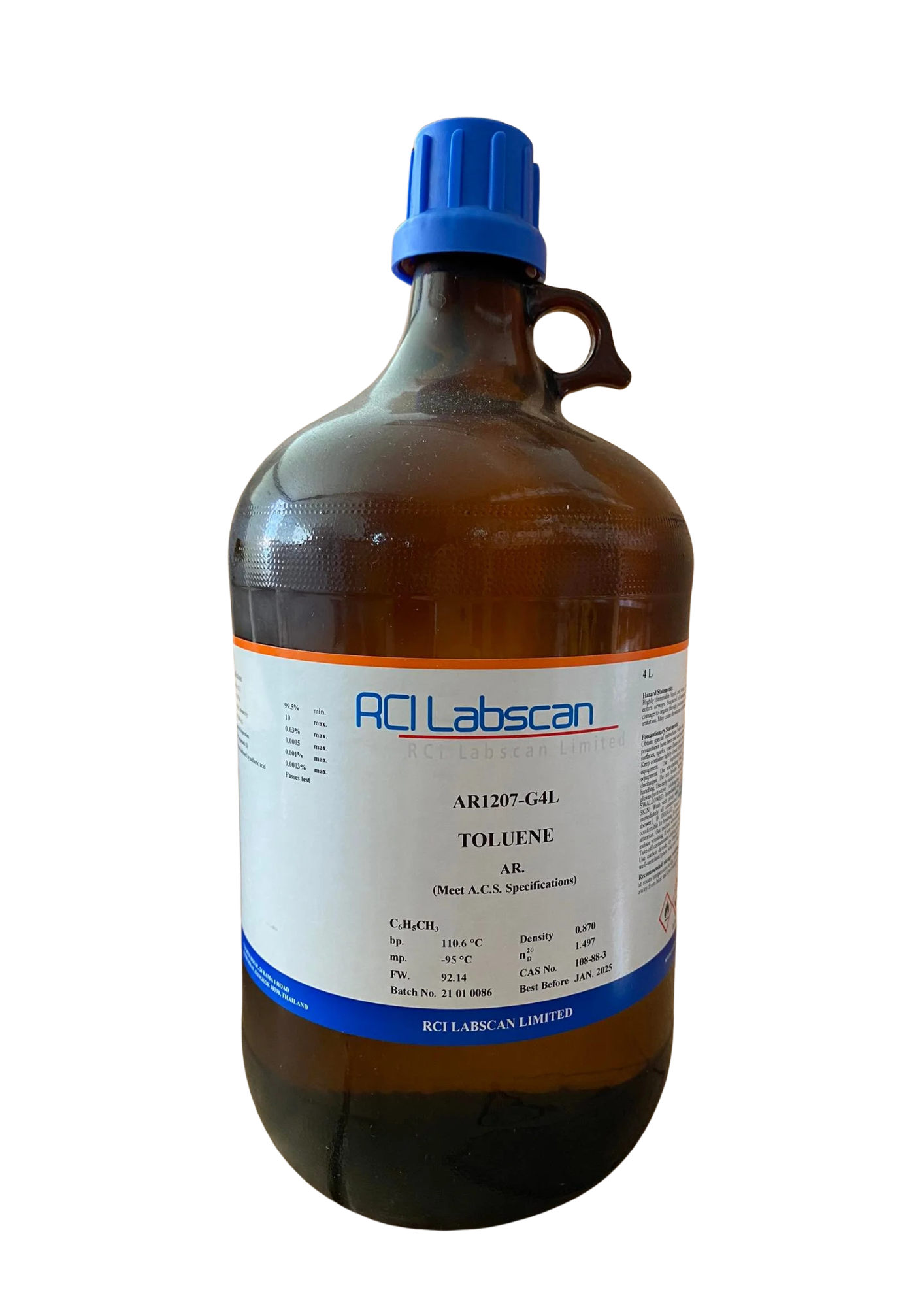
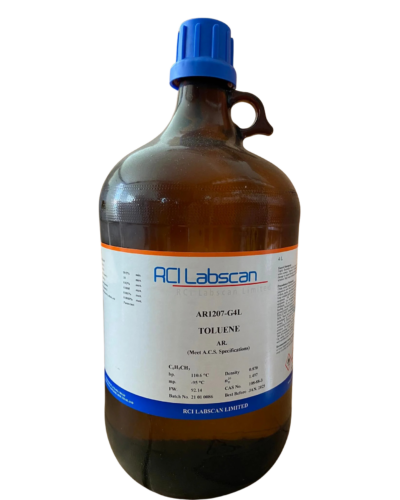
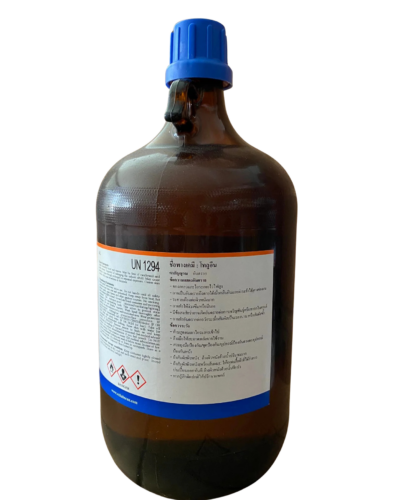
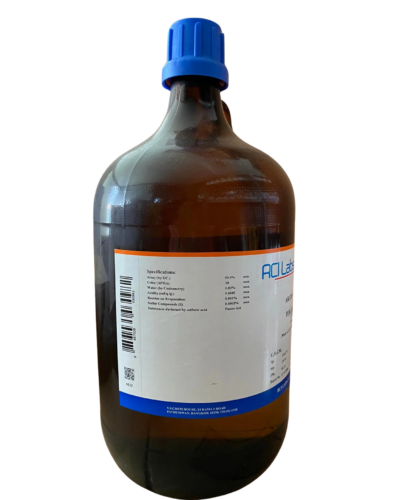
Toluene or Methylbenzene (2.5L , 4L)
Product Overview & Quality
- Product Name: Toluene or Methylbenzene or Phenylmethane
- Brand: RCI LABSCAN (Product Code: LA-AR1207-G2.5L) ,(Product Code: LA-AR1207-G4L)
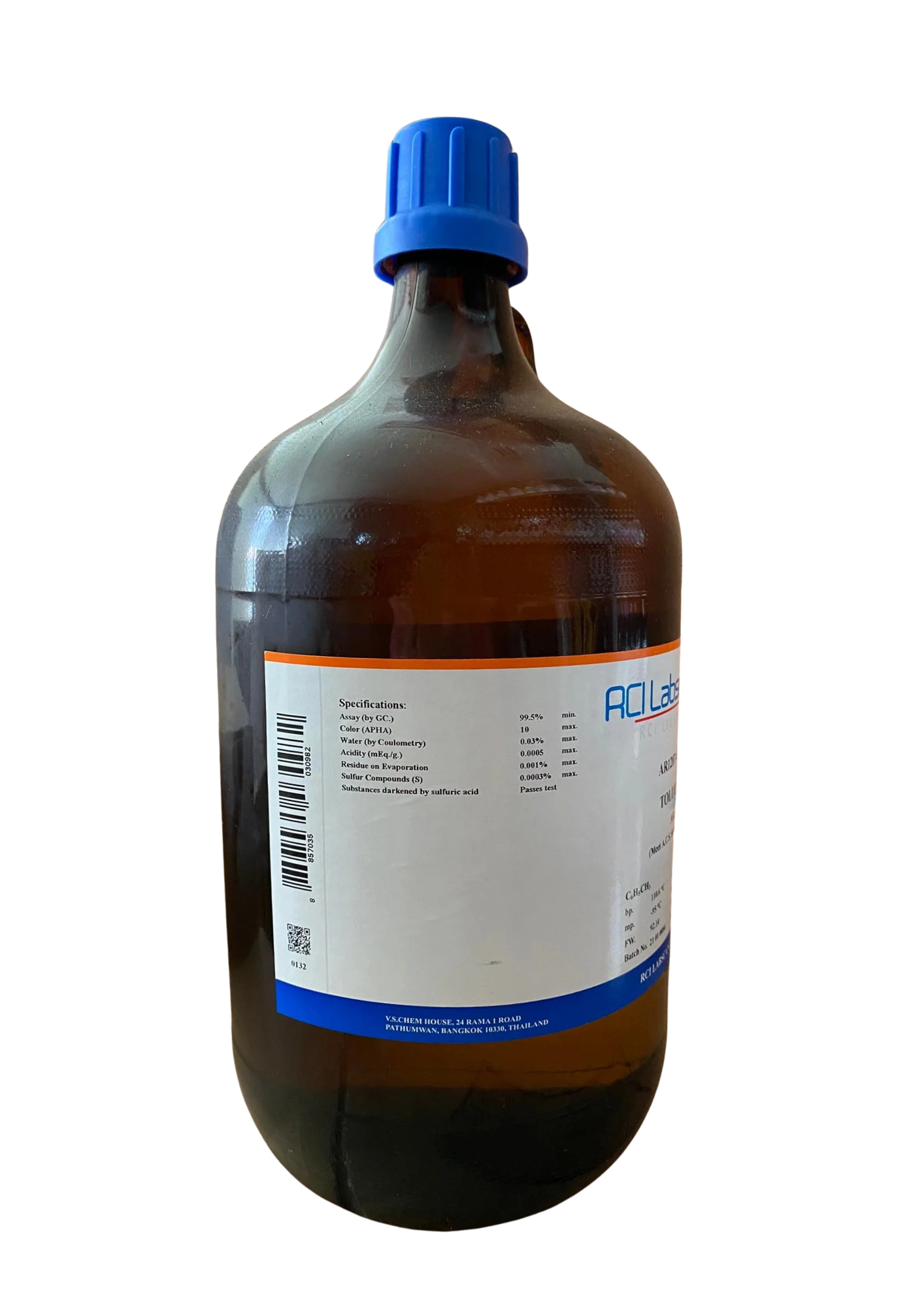
- Grade: Analytical Reagent (AR Grade) featuring a certified premium purity of 99.5 percent or higher. Manufactured and quality-verified under RCI LABSCAN strict global laboratory specifications to ensure exceptionally low levels of non-volatile matter, water content, free acidity, and benzene contamination. This highly refined non-polar chemical profile eliminates background baseline noise and guarantees outstanding operational accuracy for quantitative and qualitative analytical workflows.
- Physical Properties: Clear, colorless, highly volatile, non-viscous liquid with a distinctive, pungent, sweet benzene-like aromatic odor. Vapors are highly flammable and heavier than air.
- Solubility: Practically insoluble or immiscible with water (readily forms a top organic layer due to lower density than water); completely miscible in all proportions with common organic solvents including ethanol, acetone, ether, chloroform, and oils.
- Key Use: Heavily utilized as a primary non-polar solvent for extracting and isolating lipids, fats, oils, resins, rubbers, and non-polar phytochemical complexes in research laboratories. Commonly applied as a reaction solvent medium and versatile structural intermediate in advanced organic chemical synthesis to manufacture aromatic derivatives. Functions as an effective cleaning fluid for removing stubborn organic residues from specialized laboratory glassware and mechanical equipment.
Safety & Hazards (Critical & Flammable)
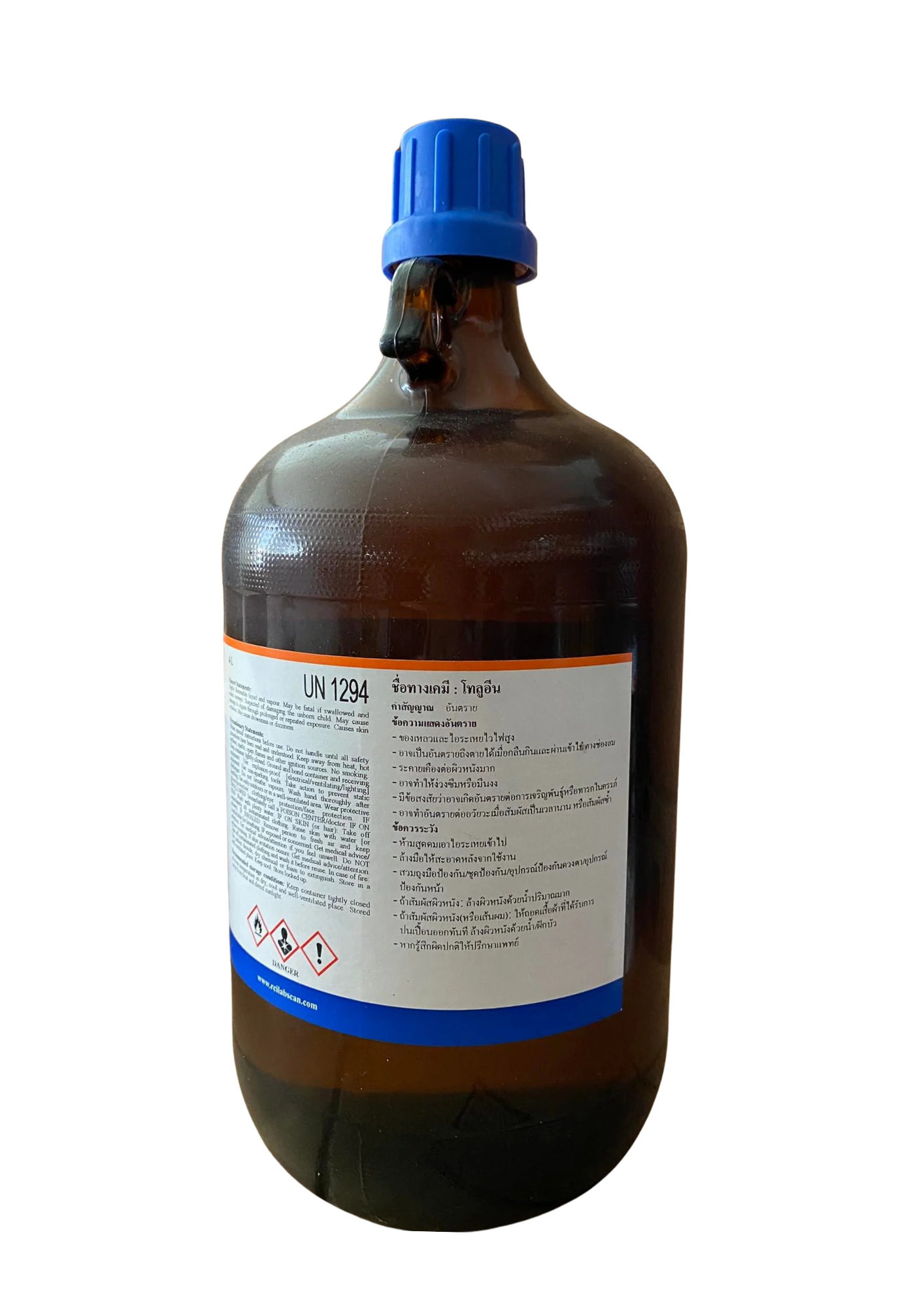
- Classification: Highly flammable liquid and vapor. May be fatal if swallowed and enters airways (Aspiration hazard). Causes skin irritation. May cause drowsiness or dizziness. Suspected of damaging fertility or the unborn child. May cause damage to organs (Central nervous system) through prolonged or repeated exposure.
- Health Risks: Direct eye contact triggers mechanical irritation, watering, and temporary redness. Prolonged dermal exposure strips natural skin lipids, leading to dry discomfort, cracked skin, or localized dermatitis. Inhalation of concentrated volatile vapors suppresses the central nervous system, inducing immediate headaches, dizziness, nausea, intoxication, or acute drowsiness. Long-term cumulative exposure carries high risks of chronic neurotoxicity, hepatic, and renal impairment.
- First Aid Measures: Flush affected eyes or skin immediately with plenty of flowing water for at least 15 minutes while removing contaminated garments. If swallowed, do NOT induce vomiting due to critical aspiration risks into lungs; seek immediate, urgent medical emergency evaluation. If vapors are inhaled, promptly move the victim to fresh air.
Handling & Storage
- Storage: Highly Flammable and Volatile Liquid. Volatile vapors can migrate significantly, build static charge, and form explosive mixtures with air. Must be stored in its original, tightly sealed RCI LABSCAN container inside a dedicated chemical safety cabinet for flammable liquids. Keep in a cool, dry, and excellently ventilated zone at stable room temperature (below 30 degrees Celsius). Keep strictly isolated from open flames, sparks, hot surfaces, static discharge, direct sunlight, and strong oxidizing agents.
- Precautions: Comprehensive specialized PPE is mandatory, including aromatic-solvent-resistant gloves, splash-proof safety goggles, a protective lab coat, and an organic vapor respirator. Handle exclusively and strictly within a properly functioning laboratory fume hood to completely contain volatile organic vapors and eliminate respiratory exposure.